Black Looper

Black Looper

Hyposidra talaca

Daily sighting probability <5% · Rare
at Singapore

In 3 days ~10% in a week ~20%

21 Verified sightings at Singapore
55 In all 3 parks From 2019 to 2026
April Best month
☀️🌙 Day & Night When it's spotted

About the Black Looper

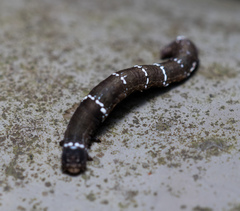
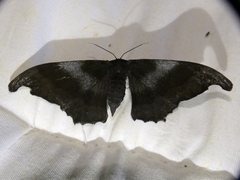
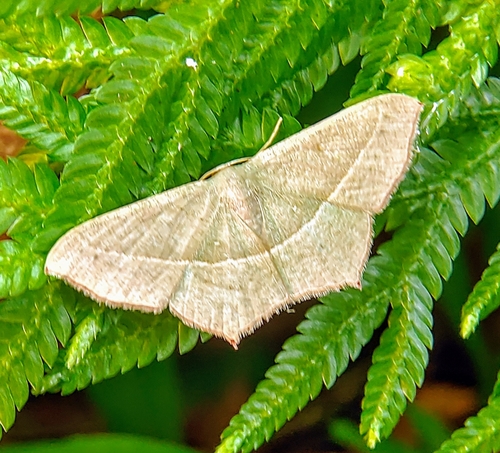
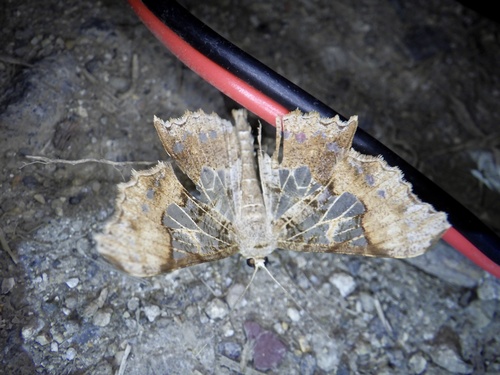
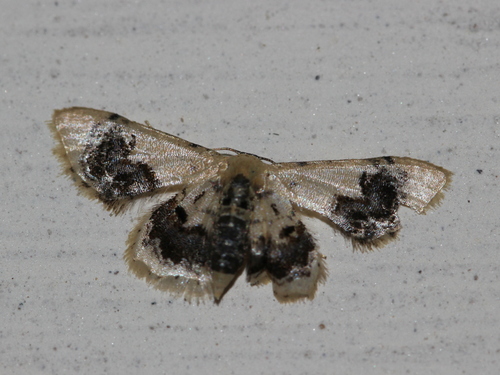
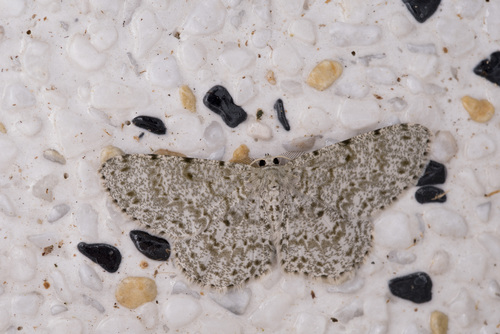
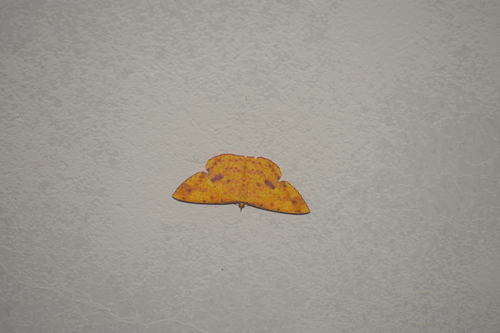
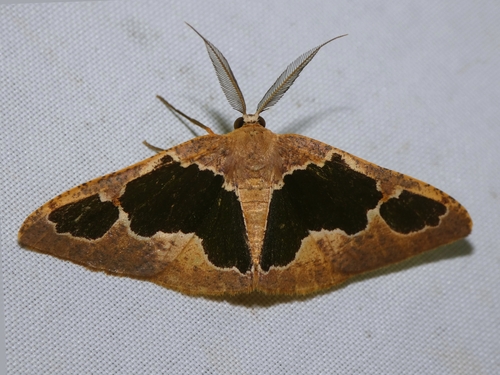
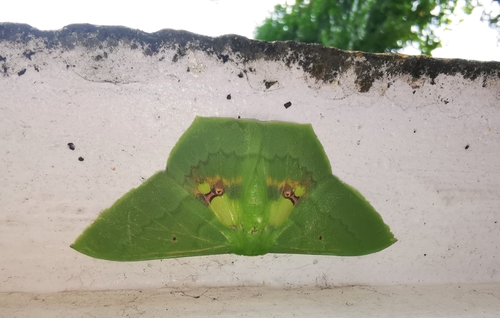
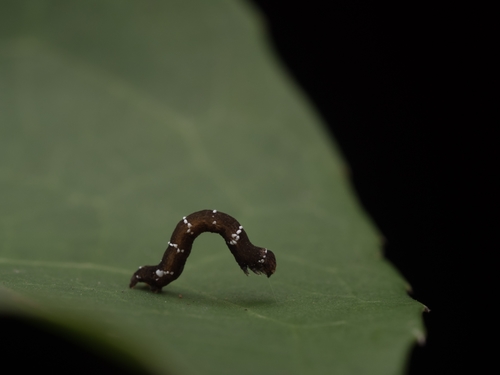
Hyposidra talaca, the black looper or black inch worm, is a moth of the family Geometridae. The species was first described by Francis Walker in 1860. It is found from India to Indochina, Sundaland, Sulawesi, the Philippines, Sri Lanka, the Solomon Islands, Thailand, Taiwan, New Guinea and Australia, where it has been recorded from Queensland. It is a major defoliating pest in tea plantations.

The wingspan is about 30 mm. Female with outer margin of hindwings hardly crenulate. Male with outer margin of neither wing excised. Antennae pectinated. Hindwings with outer margin angled at vein 4. Body dark olive fuscous, more or less irrorated and suffused with grey. Both wings faint traces of medial and crenulate postmedial lines. The cilia dark. Forewings with traces of antemedial line and more or less distinct sub-apical patch in male. Underside with crenulate postmedial line to both wings.

Larva is a looper, with body pinkish olive green, irrorated with black, and with dark patches on 4th and 6th somites. Later instars are uniform brown. The larvae feed on the foliage of a wide range of plants, including Anacardium, Bombax, Terminalia, Chromolaena, Gynura, Mikania, Cupressus... Wikipedia →
Global Distribution

Parks Where Found

# Park Country Daily sighting probability
1 Kanha National Park 🇮🇳 India
~20%
2 Daintree National Park 🇦🇺 Australia
~20%
3 Taroko National Park 🇹🇼 Taiwan
~10%

Cities Where Found

# City Country Daily sighting probability
1 Tuen Mun 🇨🇳 China
~10%
2 Hong Kong 🇨🇳 China
~10%
3 Pune 🇮🇳 India
~10%
4 Kochi 🇮🇳 India
~10%
5 Chennai 🇮🇳 India
~10%
6 Bengaluru 🇮🇳 India
~10%
7 Mumbai 🇮🇳 India
~10%
8 Taipei 🇹🇼 Taiwan
~10%
9 Hyderabad 🇮🇳 India
~10%
10 Guangzhou 🇨🇳 China
<5%

Before you go

What are the chances of seeing a Black Looper in Singapore?

Rare

Under 5% of wildlife watchers report a Black Looper sighting in Singapore on a given day, based on 21 verified sightings from GBIF citizen-science data. It is the 548th most-seen of the 1045 insects we can rate there. Over three days the chance rises to about 10%, and over a week to about 20%, if each day is a fresh chance.

When is the best time to see a Black Looper in Singapore?

Any time of year

In every month with enough records, under 5% of wildlife watchers report a Black Looper in Singapore on a given day, so our monthly data shows no clear season.

What time of day is best to see a Black Looper?

Between 8 and 11 am

Across all the parks we cover, that three-hour window holds the most Black Looper sightings with a recorded time, and about 6 in 10 of them come between 6 pm and 6 am: it is seen both by day and at night.

Is Singapore the best place to see a Black Looper?

11th of 11

Of the 11 cities where we can rate Black Looper sightings, Singapore ranks 11th at under 5%. The best odds are in Tuen Mun (China, about 10%), Hong Kong (China, about 10%) and Pune (India, about 10%).

Where does the Black Looper sighting chance come from?

GBIF citizen-science records

It is estimated from how often the Black Looper is recorded against all the insects logged in Singapore (21 verified sightings), calibrated against known sighting rates. Figures are rounded to the nearest 10% because citizen-science data supports honest approximations, not decimals, and months with records from fewer than five people show "—". How it works.

← Back to Singapore