Black-Headed Sugar Ant

Black-Headed Sugar Ant

Camponotus nigriceps

Endemic
Daily sighting probability ~10% · With luck
at Sydney

In 3 days ~20% in a week ~30%

75 Verified sightings at Sydney
90 In all 3 parks From 2019 to 2026
April Best month
🌅 Crepuscular When it's spotted

About the Black-Headed Sugar Ant

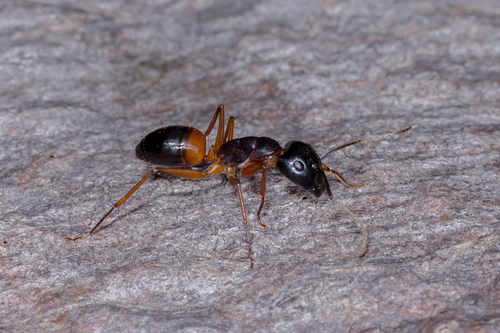
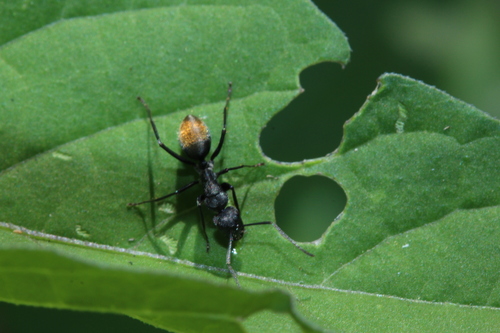
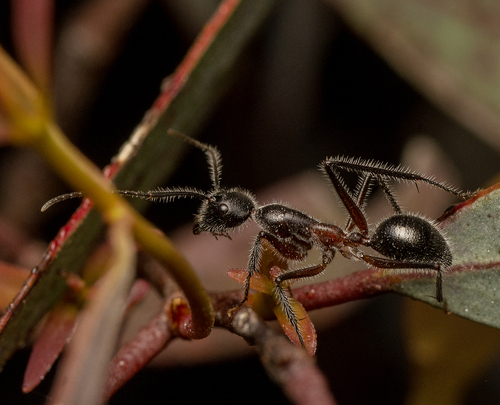
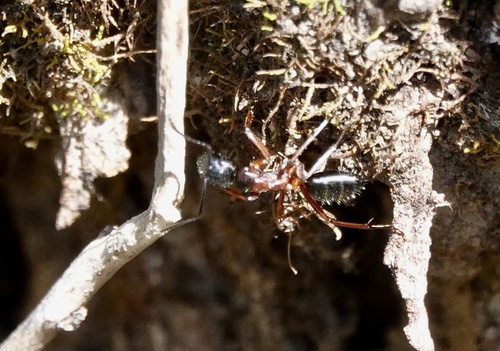
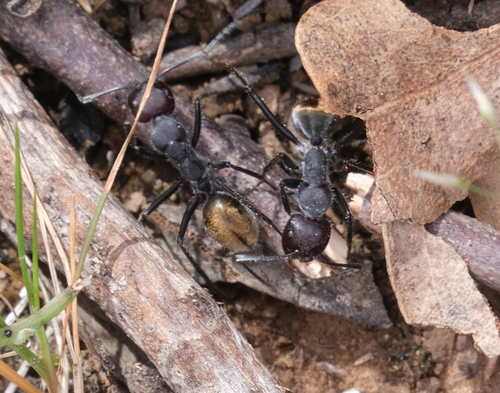
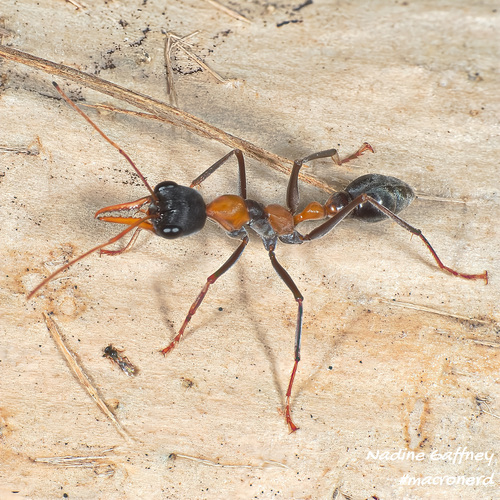
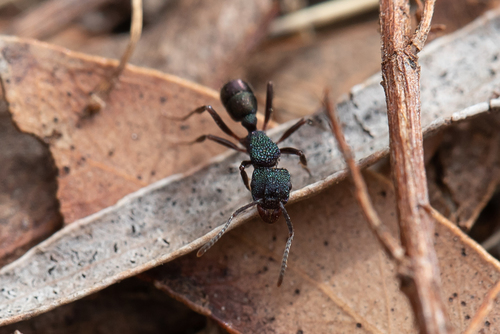
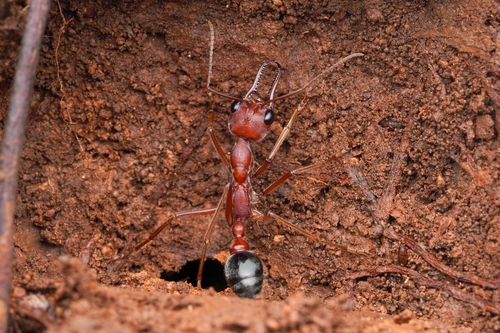
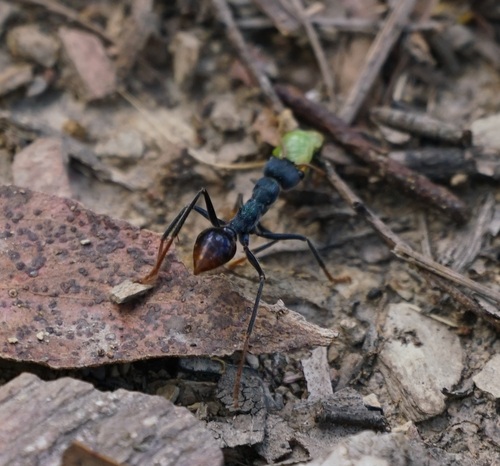
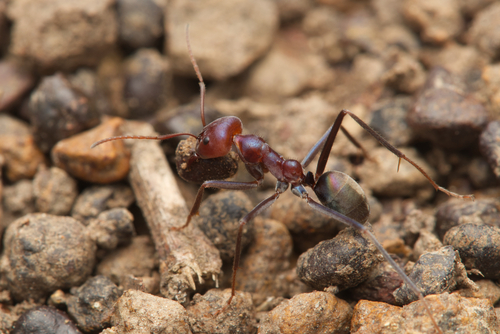
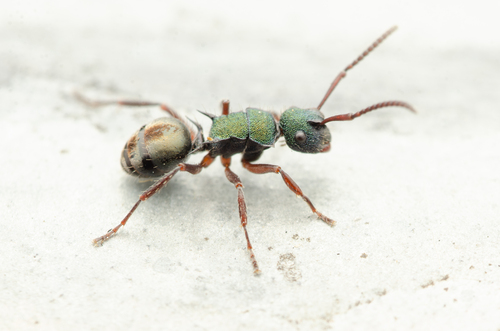
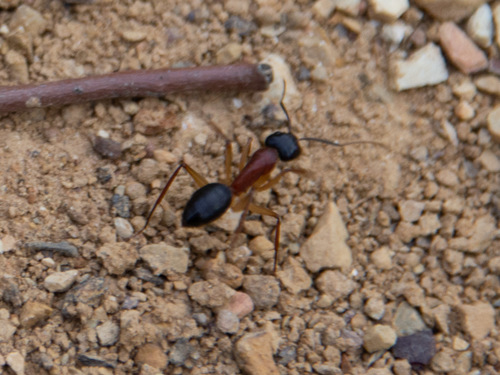
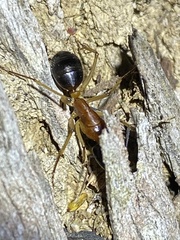
The black-headed sugar ant (Camponotus nigriceps), also known as the brown sugar ant, is a species of Formicinae ant endemic to Australia. Found throughout most states, the species is a member of the genus Camponotus, a cosmopolitan genus of ants commonly known as carpenter ants. It was formally described and named by British entomologist Frederick Smith in 1858. These ants are characterised by their black head, reddish-brown mesosoma and black gaster, which can change in colour.

The species is polymorphic: workers and soldiers measure 6 to 12 millimetres (0.24 to 0.47 in) and males are 12 millimetres (0.47 in). The queens are the largest members of the colony, measuring 16 millimetres (0.63 in). Colonies dwell in dry regions, including open areas or in dry sclerophyll woodland, where they nest in soil, large mounds or under stones. Nuptial flight occurs in summer and nests can hold several thousand individuals. Considered a household pest, black-headed sugar ants feed on sweet foods and insects and tend to butterfly larvae. Numerous birds and fish prey on these ants.

The black-headed sugar ant was described from a holotype worker by British entomologist Frederick Smith... Wikipedia →
Global Distribution

Parks Where Found

# Park Country Daily sighting probability
1 Grampians National Park 🇦🇺 Australia
~20%
2 Royal National Park 🇦🇺 Australia
~10%
3 Blue Mountains National Park 🇦🇺 Australia
~10%

Cities Where Found

# City Country Daily sighting probability
1 Sydney 🇦🇺 Australia
~10%
2 Brisbane 🇦🇺 Australia
~10%

Before you go

What are the chances of seeing a Black-Headed Sugar Ant in Sydney?

With luck

About 10% of wildlife watchers report a Black-Headed Sugar Ant sighting in Sydney on a given day, based on 75 verified sightings from GBIF citizen-science data. It is the 131st most-seen of the 742 insects we can rate there. Over three days the chance rises to about 20%, and over a week to about 30%, if each day is a fresh chance.

When is the best time to see a Black-Headed Sugar Ant in Sydney?

February–June, September–October and December

In those months about 10% of wildlife watchers report a Black-Headed Sugar Ant in Sydney on a given day, against under 5% in January, July–August and November, the lowest months.

What time of day is best to see a Black-Headed Sugar Ant?

Between 5 and 8 pm

Across all the parks we cover, that three-hour window holds the most Black-Headed Sugar Ant sightings with a recorded time, and about 6 in 10 of them come between 6 am and 6 pm: it is most active around dawn and dusk.

Is Sydney the best place to see a Black-Headed Sugar Ant?

Yes

Of the 2 cities where we can rate Black-Headed Sugar Ant sightings, Sydney has the highest daily chance: about 10%. Next come Brisbane (Australia, about 10%).

Which relatives of the Black-Headed Sugar Ant live in Sydney?

Same genus: Camponotus

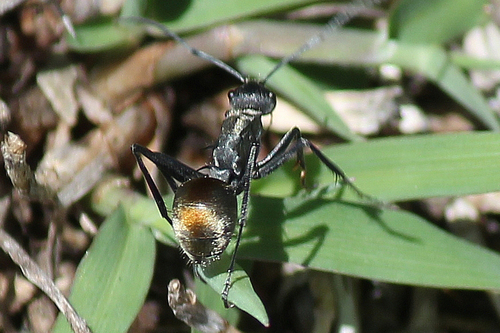
The closest relatives of the Black-Headed Sugar Ant that you can see in Sydney (genus Camponotus, Carpenter Ants, Typical Sugar Ants and Allies) are Banded Sugar Ant (about 10%) and Golden-Tailed Sugar Ant (about 10%), with each one's daily chance of a sighting.

Where does the Black-Headed Sugar Ant sighting chance come from?

GBIF citizen-science records

It is estimated from how often the Black-Headed Sugar Ant is recorded against all the insects logged in Sydney (75 verified sightings), calibrated against known sighting rates. Figures are rounded to the nearest 10% because citizen-science data supports honest approximations, not decimals, and months with records from fewer than five people show "—". How it works.

← Back to Sydney