


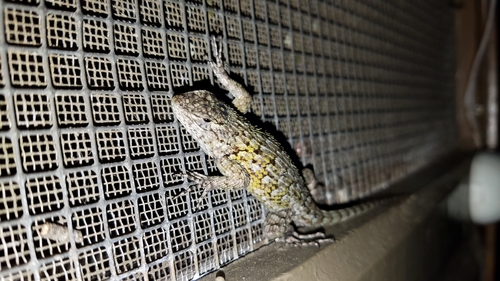


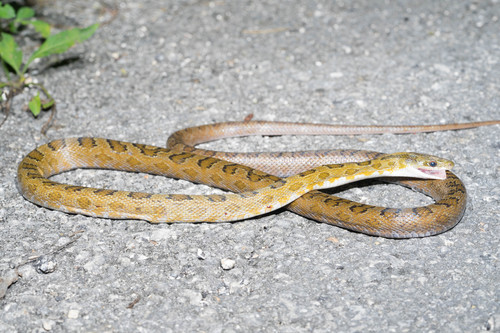

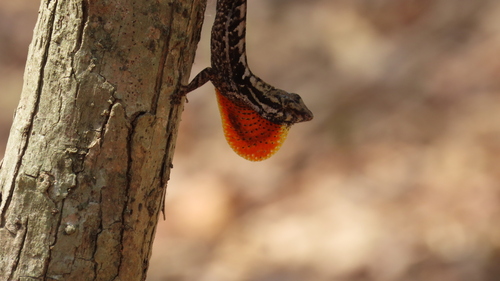


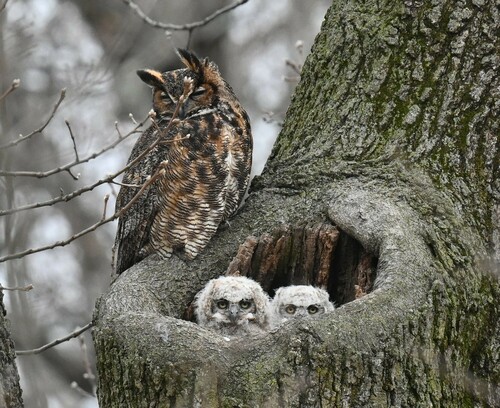


All 5 in 3 days here: ~20%
City
Tegucigalpa
🇭🇳 Honduras
Central America, Honduras 291 spp. recorded
Tegucigalpa —formally Tegucigalpa, Municipality of the Central District, and colloquially referred to as Tegus, Teguz or Cerrocigalpa —is the capital and largest city of Honduras along with its sister city, Comayagüela. Wikipedia
14.074° N 87.203° W
🦜 Nature

291 Species sighted
26,993 Verified sightings From 2019 to 2026
May Best month
⭐ Iconic Species
📊 Most Spotted
📊 Most Spotted

LC
 Common Opossum
Didelphis marsupialis

LC
 Gray Fox
Urocyon cinereoargenteus

LC
Virginia Opossum
Didelphis virginiana

LC
 Pallas's Long-tongued Bat
Glossophaga soricina

LC
 White-nosed Coati
Nasua narica

LC
 Collared Peccary
Pecari tajacu

LC
 Jaguarundi
Puma yagouaroundi

LC
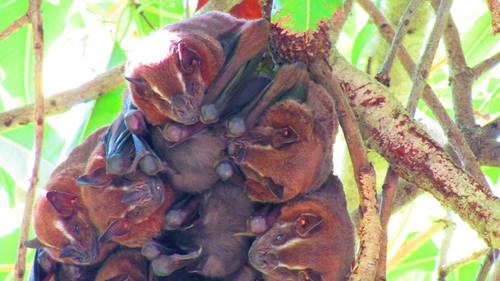
 Jamaican Fruit-eating Bat
Artibeus jamaicensis
LC
Great Fruit-eating Bat
Artibeus lituratus

LC
 Hooded Skunk
Mephitis macroura
⭐ Iconic Species
📊 Most Spotted
📊 Most Spotted

LC
 Central American Boa
Boa imperator
📊 Most Spotted

LC
 Guayaquil Dwarf Frog
Engystomops pustulosus

LC
 Central American Gulf Coast Toad
Incilius valliceps

LC
 Mexican White-lipped Frog
Leptodactylus fragilis

LC
 Sheep Frog
Hypopachus variolosus

LC
Jalapa toad
Incilius ibarrai
📊 Most Spotted
🌙 Most active after dark
LC
Guayaquil Dwarf Frog
Engystomops pustulosus

LC
 Blunthead Tree Snake
Imantodes cenchoa
LC
Central American Gulf Coast Toad
Incilius valliceps

LC
 Tropical House Gecko
Hemidactylus mabouia
LC
Pallas's Long-tongued Bat
Glossophaga soricina

LC
 Rhombic Cat-eyed Snake
Leptodeira rhombifera
LC
Mexican White-lipped Frog
Leptodactylus fragilis
LC
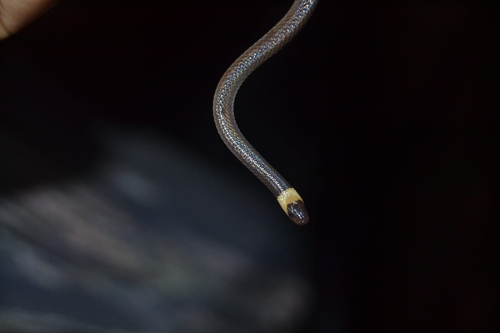
 Pacific Longtail Snake
Enulius flavitorques
Challenges you can complete here
Recent sightings in Tegucigalpa
LIVEiNaturalistWhere to look
Warmer areas are where all species together are recorded most often.
-
UNAH campus central · Jardín Botánico
Daily sight. prob.vs avg -
Parque Naciones Unidas El Picacho
-
Reserva Aldea de Suyapa y Montaña Triquilapa




Sighting Calendar
How many species you'd see in a day
21Jan
23Feb
23Mar
25Apr
26May
24Jun
24Jul
25Aug
24Sep
25Oct
23Nov
24Dec
🏙️ City
Essentials
Green cover
Medium
Protected land
—
Protected sea
—
Protected areas
—
Wildlife spots
4
spotsZoos & centres
0
placesClimate
Tropical savanna
World Heritage
No
Climate
Temp °C Rain mm
JanFebMarAprMayJunJulAugSepOctNovDec
0.0 Excellent
Wallace's Line Score
How good is this city for seeing wildlife? 🦜
Biodiversity
Very goodHow rich is the wildlife?
4.3
Species by taxon
🦅 Birds 468
🐒 Mammals 167
🦎 Reptiles 115
🐸 Amphibians 30
780 Total Species
679 Global average across 380 cities
23 Threatened 4 Endemic
🔭
Sighting
GoodHow likely to see animals?
3.9
🎯
Top-12 Avg Probability
66% 📊
Coverage (122 species at ≥5% of 780 in the inventory)
16% 🔀
Taxon variety in top 12 (11 bird, 1 mammal)
20% 🌟
Iconic-group species (≥15%) (every species from the 19 iconic groups — monkeys, cats, toucans, macaws, sloths, crocodilians… — not just the 4 highlighted above)
3 ⭐
High-prob species (>40%)
15 🏕️
Experience
Very goodHow easy and pleasant is the visit?
3.5
Climate Pleasant High
Green cover Medium Medium
Protected land & sea — Low
Protected areas 0 Low
Wildlife spots 4 Medium
Zoos & centres 0 Low
What visitors say
Before you go
What animals can you see in Tegucigalpa?
291 species
Tegucigalpa's urban area has 291 recorded vertebrate species. The ones wildlife watchers report most often on a given day are White-winged Dove (about 90%), Clay-colored Thrush (about 90%), Golden-fronted Woodpecker (about 80%), Rufous-backed Wren (about 70%) and Great-tailed Grackle (about 70%). Among mammals, the most-seen is Variegated Squirrel (about 60%); among reptiles, Common House Gecko (about 40%); among amphibians, Greenhouse Frog (about 30%).
When is the best time to see wildlife in Tegucigalpa?
March and May–August
In those months the city's 12 most-seen species average about 70% on a given day, against about 60% in April and September–February.
Can you see a Clay-colored Thrush in Tegucigalpa?
Yes
About 90% of wildlife watchers report a Clay-colored Thrush sighting in Tegucigalpa on a given day, based on 1,522 verified sightings from GBIF citizen-science data from 2019 to 2026. The best time is April and June (over 90%).
Can you see a Rufous-backed Wren in Tegucigalpa?
Yes
About 70% of wildlife watchers report a Rufous-backed Wren sighting in Tegucigalpa on a given day, based on 1,059 verified sightings from GBIF citizen-science data from 2019 to 2026. The best time is June (about 90%).
Can you see a Golden-fronted Woodpecker in Tegucigalpa?
Yes
About 80% of wildlife watchers report a Golden-fronted Woodpecker sighting in Tegucigalpa on a given day, based on 1,186 verified sightings from GBIF citizen-science data from 2019 to 2026. The best time is April and May (about 90%).
Where in Tegucigalpa is wildlife easiest to see?
UNAH campus central · Jardín Botánico
The spot where most wildlife watchers record their sightings is UNAH campus central · Jardín Botánico (116 bird species recorded), followed by Cerro Juana Laínez and Parque Naciones Unidas El Picacho. See them on the map.
Is Tegucigalpa good for wildlife watching?
4.0 out of 5
On the Wallace's Line Score, which rates each city against other cities, Tegucigalpa gets 4.0/5: 225th of 380 cities worldwide and 5th in Central America. 20 of its species are reported by about 40% or more of wildlife watchers on a given day.
Nearest Cities


Nearest Parks


Nearest Zoos & Centres


Sources: urban area GHSL Urban Centre Database R2024A, European Commission JRC (CC BY 4.0) · protected land WDPA, UNEP-WCMC & IUCN (via GHSL) · climate NASA POWER · wildlife GBIF.org citizen-science data