City
Managua
🇳🇮 Nicaragua
Central America, Nicaragua 266 spp. recorded
Managua is the capital and largest city of Nicaragua, and one of the largest cities in Central America. The city also serves as the seat of Managua Department. Wikipedia
12.105° N 86.261° W
🦜 Nature

266 Species sighted
39,846 Verified sightings From 2019 to 2026
Jun Best month
⭐ Iconic Species


📊 Most Spotted


📊 Most Spotted


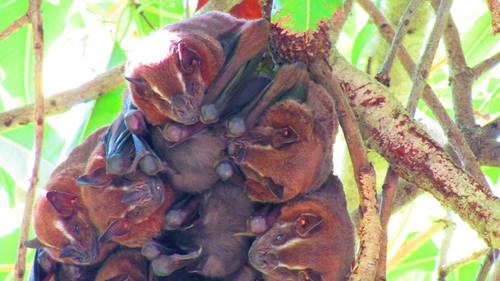
LC
 Great Fruit-eating Bat
Artibeus lituratus

LC
 Derby's Woolly Opossum
Caluromys derbianus

LC
 Common Raccoon
Procyon lotor

LC
 Southern Spotted Skunk
Spilogale angustifrons

LC
 Virginia Opossum
Didelphis virginiana

 Black mastiff bat
Molossus nigricans
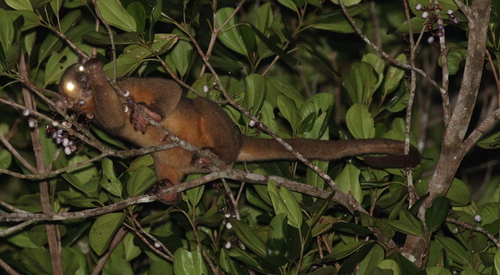
LC
 Kinkajou
Potos flavus

LC
 Gray Fox
Urocyon cinereoargenteus
⭐ Iconic Species
📊 Most Spotted


📊 Most Spotted


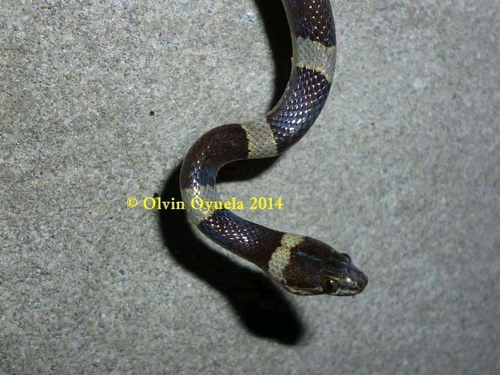


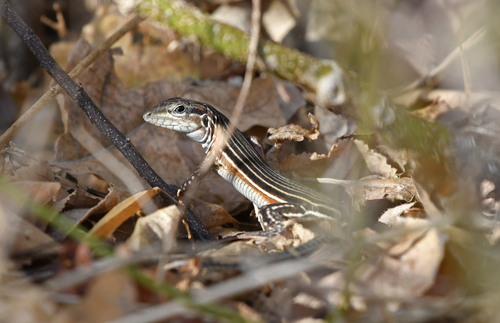


LC
 Central American Boa
Boa imperator
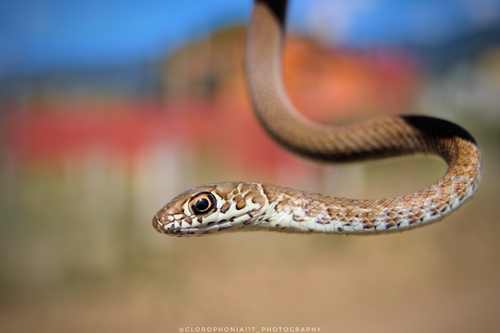
LC
 Neotropical Whip Snake
Masticophis mentovarius
📊 Most Spotted


LC
 Giant Marine Toad
Rhinella horribilis

LC
 Dry Forest Toad
Incilius coccifer
📊 Most Spotted
🌙 Most active after dark
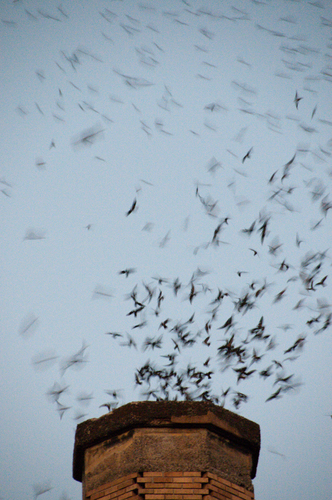


LC
Kinkajou
Potos flavus
LC
Giant Marine Toad
Rhinella horribilis
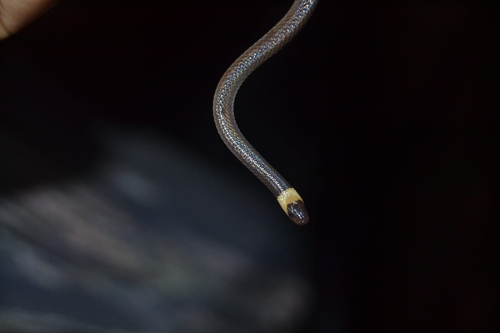
LC
Pacific Longtail Snake
Enulius flavitorques
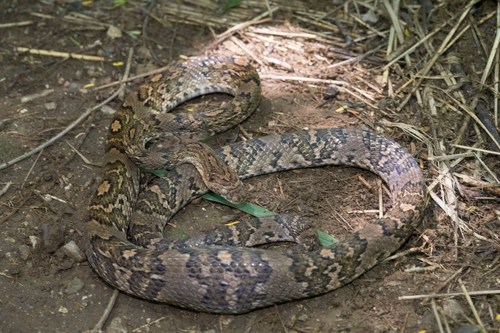
LC
Central American Lyresnake
Trimorphodon quadruplex
LC
Dry Forest Toad
Incilius coccifer

LC
 Common Nighthawk
Chordeiles minor
Recent sightings in Managua
LIVEiNaturalistWhere to look
Warmer areas are where all species together are recorded most often.
-
Puerto Salvador Allende (El Malecón), Managua
-
Aeropuerto Intl Augusto César Sandino


Sighting Calendar
How many species you'd see in a day
21Jan
21Feb
22Mar
21Apr
22May
23Jun
21Jul
19Aug
21Sep
22Oct
20Nov
22Dec
🏙️ City
Essentials
Green cover
High
Protected land
2%
Protected sea
—
Protected areas
3
areasWildlife spots
2
spotsZoos & centres
1
placesClimate
Tropical savanna
World Heritage
No
Climate
Temp °C Rain mm
JanFebMarAprMayJunJulAugSepOctNovDec
Zoos & rescue centres

0.0 Excellent
Wallace's Line Score
How good is this city for seeing wildlife? 🦜
Biodiversity
Very goodHow rich is the wildlife?
3.8
Species by taxon
🦅 Birds 422
🐒 Mammals 145
🦎 Reptiles 94
🐸 Amphibians 24
685 Total Species
679 Global average across 380 cities
17 Threatened 0 Endemic
🔭
Sighting
Very goodHow likely to see animals?
4.0
🎯
Top-12 Avg Probability
73% 📊
Coverage (101 species at ≥5% of 685 in the inventory)
15% 🔀
Taxon variety in top 12 (12 bird)
0% 🌟
Iconic-group species (≥15%) (every species from the 19 iconic groups — monkeys, cats, toucans, macaws, sloths, crocodilians… — not just the 4 highlighted above)
2 ⭐
High-prob species (>40%)
15 🏕️
Experience
ExcellentHow easy and pleasant is the visit?
4.4
Climate Pleasant High
Green cover High High
Protected land & sea 2% land Medium
Protected areas 3 Medium
Wildlife spots 2 Medium
Zoos & centres 1 Medium
What visitors say
Before you go
What animals can you see in Managua?
266 species
Managua's urban area has 266 recorded vertebrate species. The ones wildlife watchers report most often on a given day are White-winged Dove (about 90%), Clay-colored Thrush (about 80%), Great-tailed Grackle (about 80%), Tropical Kingbird (about 80%) and Great Kiskadee (about 80%). Among mammals, the most-seen is Variegated Squirrel (about 30%); among reptiles, Black Spiny-tailed Iguana (about 40%); among amphibians, Mexican Smilisca (about 20%).
When is the best time to see wildlife in Managua?
June–August and December
In those months the city's 12 most-seen species average about 80% on a given day, against about 70% in January–May and September–November.
Can you see a Hoffmann's Woodpecker in Managua?
Yes
About 70% of wildlife watchers report a Hoffmann's Woodpecker sighting in Managua on a given day, based on 1,603 verified sightings from GBIF citizen-science data from 2019 to 2026. The best time is September (about 80%).
Can you see a Rufous-backed Wren in Managua?
Yes
About 70% of wildlife watchers report a Rufous-backed Wren sighting in Managua on a given day, based on 1,694 verified sightings from GBIF citizen-science data from 2019 to 2026. The best time is August and November–December (about 80%).
Can you see a Clay-colored Thrush in Managua?
Yes
About 80% of wildlife watchers report a Clay-colored Thrush sighting in Managua on a given day, based on 2,265 verified sightings from GBIF citizen-science data from 2019 to 2026. The best time is February and April–July (about 90%).
Where in Managua is wildlife easiest to see?
Puerto Salvador Allende (El Malecón), Managua
The spot where most wildlife watchers record their sightings is Puerto Salvador Allende (El Malecón), Managua (71 bird species recorded), followed by Aeropuerto Intl Augusto César Sandino. See them on the map.
Is Managua good for wildlife watching?
3.9 out of 5
On the Wallace's Line Score, which rates each city against other cities, Managua gets 3.9/5: 252nd of 380 cities worldwide and 7th in Central America. 22 of its species are reported by about 40% or more of wildlife watchers on a given day.
Nearest Cities


Nearest Parks


Nearest Zoos & Centres


Sources: urban area GHSL Urban Centre Database R2024A, European Commission JRC (CC BY 4.0) · protected land WDPA, UNEP-WCMC & IUCN (via GHSL) · climate NASA POWER · wildlife GBIF.org citizen-science data