







All 3 in 3 days here: ~20%
Lago de Yojoa
🇭🇳 Honduras
Central Highlands, Honduras 977 spp. recorded
Lago de Yojoa is a tropical rainforest reserve in the Central Highlands of Honduras, surrounding a major natural lake. The park’s mosaic of lowland forest, coffee‑grown slopes and open wetlands creates a patchwork of canopy and water that supports a rich bird community.
14.857° N 88.014° W
🦜 Nature

429 Species sighted
42,135 Verified sightings From 2019 to 2026
Jan Best month
⭐ Iconic Species
📊 Most Spotted
📊 Most Spotted
⭐ Iconic Species
📊 Most Spotted
📊 Most Spotted
📊 Most Spotted
📊 Most Spotted
🌙 Most active after dark
+ 649 more species with insufficient data
Challenges you can complete here


All 5 in 3 days here: ~20%
Recent sightings in Lago de Yojoa
LIVEiNaturalistSounds of Lago de Yojoa
Dusk soundscape1:38
Honduras · 2016
© Samuel Jones · XC334110 · CC BY-NC-ND 4.0
Sighting Calendar
How many species you'd see in a day
75Jan
63Feb
68Mar
53Apr
52May
53Jun
53Jul
59Aug
51Sep
64Oct
56Nov
60Dec
Sighting Zones
Warmer areas are where all species together are recorded most often.
-
Sector La Ensenada
-
Sector Agua Azul
Daily sight. prob.vs avg -
Mirador Indios Desnudos
Daily sight. prob.vs avg -
Valle Esmeralda
Daily sight. prob.vs avg -
Hotel y Restaurante Honduyate








🏕️ Experience
Essentials
Entrance
Paid
Tourism
Medium
Typical stay
1–2
daysTrails
Moderate
World Heritage
No
Climate
Temp °C Rain mm
JanFebMarAprMayJunJulAugSepOctNovDec
0.0 Good
Wallace's Line Score
How good is this park for seeing wildlife? 🦜
Biodiversity
Very goodHow rich is the wildlife?
4.3
Species by taxon
🦅 Birds 620
🐒 Mammals 184
🦎 Reptiles 135
🐸 Amphibians 38
977 Total Species
828 Global average across 316 parks
39 Threatened 95 Endemic
🔭
Sighting
Very goodHow likely to see animals?
3.3
🎯
Top-12 Avg Probability
67% 📊
Coverage (257 species at ≥5% of 977 in the inventory)
26% 🔀
Taxon variety in top 12 (12 bird)
0% 🔭
Species per 10 outings (distinct species a visitor would meet over 10 outings — effort held equal across parks)
161 🌟
Iconic-group species (≥15%) (every species from the 19 iconic groups — monkeys, cats, toucans, macaws, sloths, crocodilians… — not just the 4 highlighted above)
7 ⭐
High-prob species (>40%)
29 🏕️
Experience
Very goodHow easy and pleasant is the visit?
4.0
Climate Pleasant High
Entrance Paid Low
Tourism Medium Medium
Trails Moderate Medium
World Heritage No —
Before you go
What animals can you see in Lago de Yojoa?
977 species
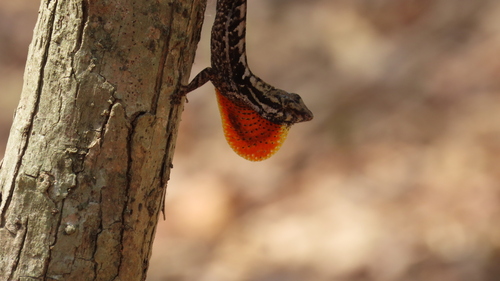
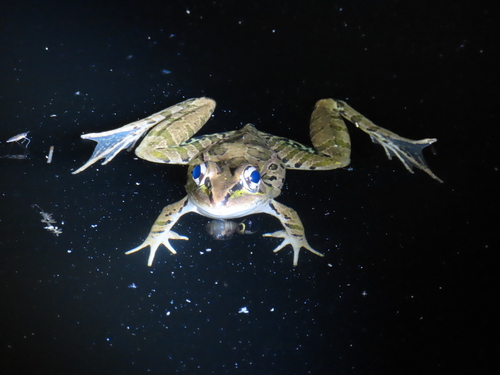
Lago de Yojoa has 977 recorded vertebrate species. The ones wildlife watchers report most often on a given day are Montezuma Oropendola (about 80%), Great-tailed Grackle (about 70%), Golden-fronted Woodpecker (about 70%), Melodious Blackbird (about 70%) and Great Kiskadee (about 70%). Among mammals, the most-seen is Variegated Squirrel (about 30%); among reptiles, Brown Basilisk (about 40%); among amphibians, Central American Gulf Coast Toad (about 30%).
When is the best time to visit Lago de Yojoa for wildlife?
February–March and July–November
In those months the park's 12 most-seen species average about 70% on a given day, against about 60% in April–June and December–January.
Can you see a Snail Kite in Lago de Yojoa?
Yes
About 60% of wildlife watchers report a Snail Kite sighting in Lago de Yojoa on a given day, based on 925 verified sightings from GBIF citizen-science data from 2019 to 2026. The best time is March and August–November (about 70%).
Can you see a Montezuma Oropendola in Lago de Yojoa?
Yes
About 80% of wildlife watchers report a Montezuma Oropendola sighting in Lago de Yojoa on a given day, based on 786 verified sightings from GBIF citizen-science data from 2019 to 2026. The best time is September and October (about 90%).
Can you see a Keel-billed Toucan in Lago de Yojoa?
Yes
About 40% of wildlife watchers report a Keel-billed Toucan sighting in Lago de Yojoa on a given day, based on 348 verified sightings from GBIF citizen-science data from 2019 to 2026. The best time is August (about 50%).
Can you see a Resplendent Quetzal in Lago de Yojoa?
With luck
About 10% of wildlife watchers report a Resplendent Quetzal sighting in Lago de Yojoa on a given day, based on 22 verified sightings from GBIF citizen-science data from 2019 to 2026. The best time is February (about 30%). Sightings take luck and time in the field.
Where in Lago de Yojoa is wildlife easiest to see?
Around Sector La Ensenada
The richest sighting zone is around Sector La Ensenada, followed by Sector Agua Azul and Mirador Indios Desnudos, ranked by how many of the park's headline animals visitors can expect to see in each. See the zones on the map.
Is Lago de Yojoa good for wildlife watching?
3.5 out of 5
On the Wallace's Line Score, Lago de Yojoa rates 3.5/5: 187th of 316 parks worldwide and 27th in Central America. 42 of its species are reported by about 40% or more of wildlife watchers on a given day.


