City
Tijuana
🇲🇽 México
North America, México 237 spp. recorded
Tijuana is the most populous city of the Mexican state of Baja California, located on the northwestern Pacific Coast of Mexico. It is the municipal seat of the Tijuana Municipality, the hub of the Tijuana metropolitan area and the most populous city in northern Mexico. Tijuana is just south of California and is adjacent to the Mexico–United States border which is part of the San Diego–Tijuana metro area. Wikipedia
32.491° N 116.964° W
🦜 Nature

237 Species sighted
5,014 Verified sightings From 2019 to 2026
Oct Best month
⭐ Iconic Species




📊 Most Spotted





⭐ Iconic Species
📊 Most Spotted


LC
 Virginia Opossum
Didelphis virginiana

LC
 Coyote
Canis latrans

LC
 Common Raccoon
Procyon lotor

LC
 Bottlenose Dolphin
Tursiops truncatus

LC
 Gray Fox
Urocyon cinereoargenteus

LC
 California Sea Lion
Zalophus californianus

LC
 Black-tailed Jackrabbit
Lepus californicus

LC
 Brush Rabbit
Sylvilagus bachmani

LC
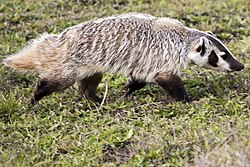
 American Badger
Taxidea taxus

LC
Brown Rat
Rattus norvegicus
⭐ Iconic Species
📊 Most Spotted
📊 Most Spotted


LC
 California King Snake
Lampropeltis californiae

LC
 Green Iguana
Iguana iguana

LC
 Khorat Blind Snake
Indotyphlops braminus

LC
 Race-runner
Aspidoscelis hyperythrus

LC
 Red Diamond Rattlesnake
Crotalus ruber
📊 Most Spotted


 American Bullfrog
Lithobates catesbeianus
📊 Most Spotted
🌙 Most active after dark


LC
 Common House Gecko
Hemidactylus frenatus

LC
 Snow Goose
Anser caerulescens
LC
Black-tailed Jackrabbit
Lepus californicus
LC
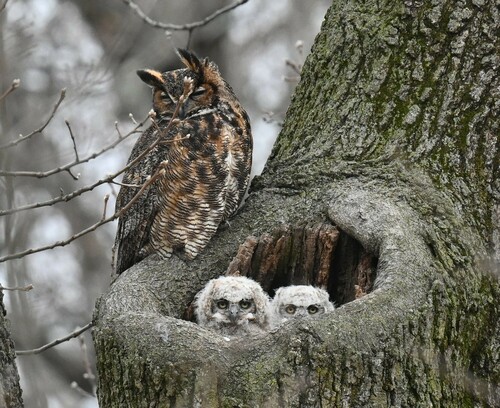
 Great Horned Owl
Bubo virginianus

LC
 California Quail
Callipepla californica
Recent sightings in Tijuana
LIVEiNaturalistWhere to look
Warmer areas are where all species together are recorded most often.
-
Parque de la Amistad, Tijuana
Daily sight. prob.vs avg -
Malecon de Playas de Tijuana
-
El Yogurt Place (willows backyard)
-
2448 Vía Internacional, Tijuana, Baja California, MX (32.538, -117.074)
Daily sight. prob.vs avg -
Parque de Playas de Tijuana
-
Avenida Internacional, Tijuana MX-B.C. (32.5385,-117.0730)
Daily sight. prob.vs avg







Sighting Calendar
How many species you'd see in a day
25Jan
28Feb
35Mar
31Apr
31May
27Jun
28Jul
27Aug
33Sep
40Oct
26Nov
27Dec
🏙️ City
Essentials
Green cover
Low
Protected land
—
Protected sea
0.0%
Protected areas
1
areasWildlife spots
6
spotsZoos & centres
2
placesClimate
Hot semi-arid
World Heritage
No
Climate
Temp °C Rain mm
JanFebMarAprMayJunJulAugSepOctNovDec
Zoos & rescue centres

0.0 Excellent
Wallace's Line Score
How good is this city for seeing wildlife? 🦜
Biodiversity
Very goodHow rich is the wildlife?
4.0
Species by taxon
🦅 Birds 493
🐒 Mammals 112
🦎 Reptiles 66
🐸 Amphibians 12
683 Total Species
679 Global average across 380 cities
36 Threatened 0 Endemic
🔭
Sighting
Very goodHow likely to see animals?
4.0
🎯
Top-12 Avg Probability
68% 📊
Coverage (143 species at ≥5% of 683 in the inventory)
21% 🔀
Taxon variety in top 12 (11 bird, 1 mammal)
20% 🌟
Iconic-group species (≥15%) (every species from the 19 iconic groups — monkeys, cats, toucans, macaws, sloths, crocodilians… — not just the 4 highlighted above)
0 ⭐
High-prob species (>40%)
16 🏕️
Experience
GoodHow easy and pleasant is the visit?
3.2
Climate Mixed Medium
Green cover Low Low
Protected land & sea — Low
Protected areas 1 Medium
Wildlife spots 6 Medium
Zoos & centres 2 High
What visitors say
Before you go
What animals can you see in Tijuana?
237 species
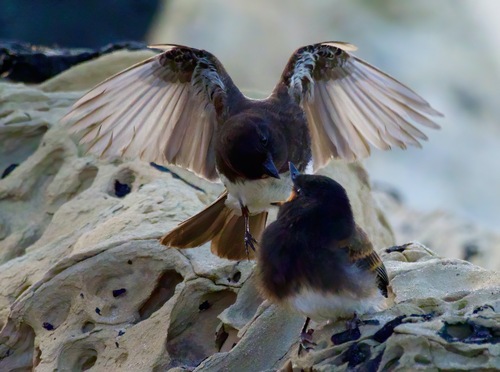
Tijuana's urban area has 237 recorded vertebrate species. The ones wildlife watchers report most often on a given day are House Finch (about 80%), Black Phoebe (about 80%), Rock Pigeon (about 80%), Anna's Hummingbird (about 80%) and House Sparrow (about 70%). Among mammals, the most-seen is California Ground Squirrel (about 60%); among reptiles, Southern Alligator Lizard (about 30%); among amphibians, Pacific chorus frog (about 20%).
When is the best time to see wildlife in Tijuana?
March and October
In those months the city's 12 most-seen species average about 80% on a given day, against about 50% in November.
Can you see a California Ground Squirrel in Tijuana?
Yes
About 60% of wildlife watchers report a California Ground Squirrel sighting in Tijuana on a given day, based on 114 verified sightings from GBIF citizen-science data from 2019 to 2026. The best time is March (about 80%).
Can you see an Anna's Hummingbird in Tijuana?
Yes
About 80% of wildlife watchers report an Anna's Hummingbird sighting in Tijuana on a given day, based on 228 verified sightings from GBIF citizen-science data from 2019 to 2026. The best time is March and October (about 90%).
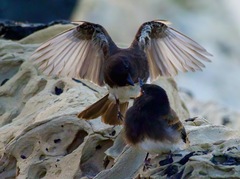
Can you see a Black Phoebe in Tijuana?
Yes
About 80% of wildlife watchers report a Black Phoebe sighting in Tijuana on a given day, based on 174 verified sightings from GBIF citizen-science data from 2019 to 2026. The best time is March, May, July and September–October (about 90%).
Where in Tijuana is wildlife easiest to see?
Parque de la Amistad, Tijuana
The spot where most wildlife watchers record their sightings is Parque de la Amistad, Tijuana (98 bird species recorded), followed by Malecon de Playas de Tijuana and El Yogurt Place (willows backyard). See them on the map.
Is Tijuana good for wildlife watching?
4.0 out of 5
On the Wallace's Line Score, which rates each city against other cities, Tijuana gets 4.0/5: 237th of 380 cities worldwide and 34th in North America. 21 of its species are reported by about 40% or more of wildlife watchers on a given day.
Nearest Cities


Nearest Parks


Nearest Zoos & Centres


Sources: urban area GHSL Urban Centre Database R2024A, European Commission JRC (CC BY 4.0) · protected land WDPA, UNEP-WCMC & IUCN (via GHSL) · climate NASA POWER · wildlife GBIF.org citizen-science data