About the Hickory Tussock Moth
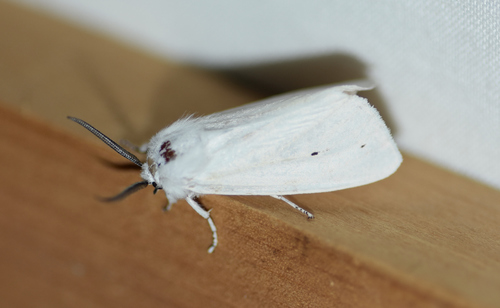
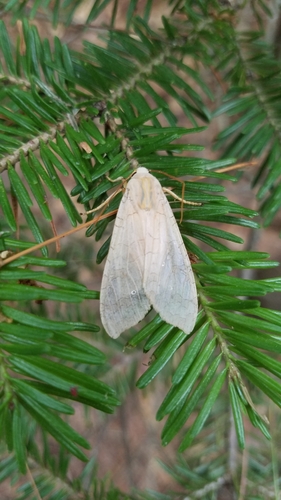
Lophocampa caryae, the hickory tiger moth, hickory tussock moth, or hickory halisidota, is a moth in the family Erebidae and the tribe Arctiini, the tiger moths. The species is widely distributed in the eastern half of North America. In other species in this family, the caterpillars acquire chemical defenses from their host plants, so they are potentially toxic or unpalatable, but despite anecdotal claims that this species may also be venomous, no venom has yet been isolated or identified; adverse reactions are characterized as irritant contact dermatitis.
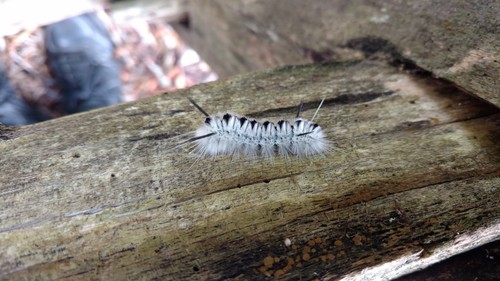
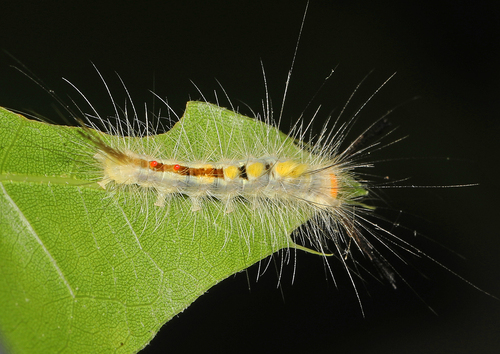
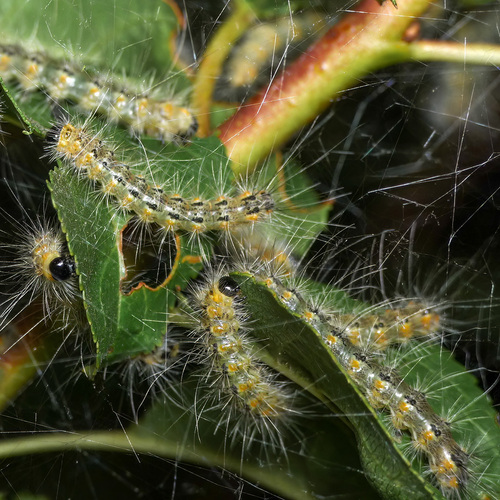
There is one generation per year. The larva, a caterpillar, is completely covered in long, hairlike setae arranged in spreading tufts. Most are white, but there are black tufts along the middle of the back, and four long black hair pencils, two near the front, and two near the back. There are black spots along the sides, and the head capsule is black. The hairs cause itchy rashes (contact dermatitis) in many people, particularly those prone to allergies, and may resemble exposure to urushiol. They are microscopically barbed and may rarely cause serious medical complications if they are transferred from... Wikipedia →