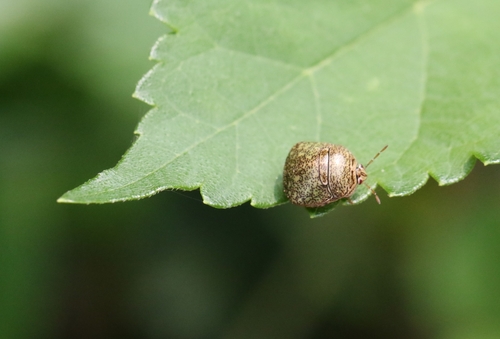
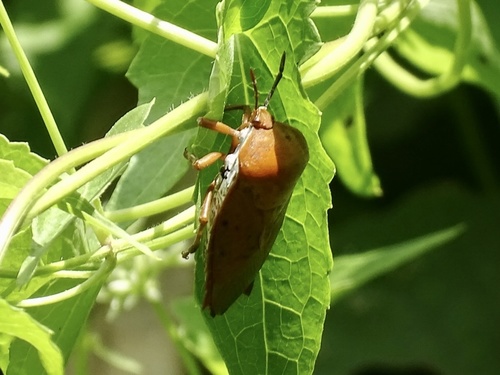
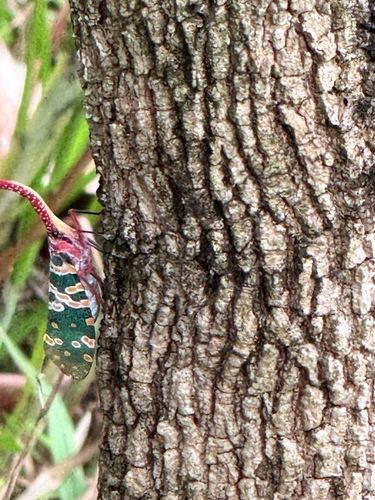
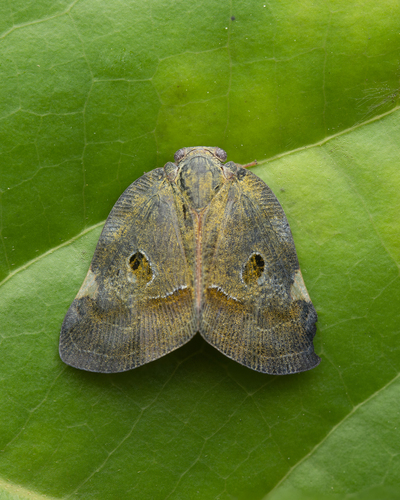
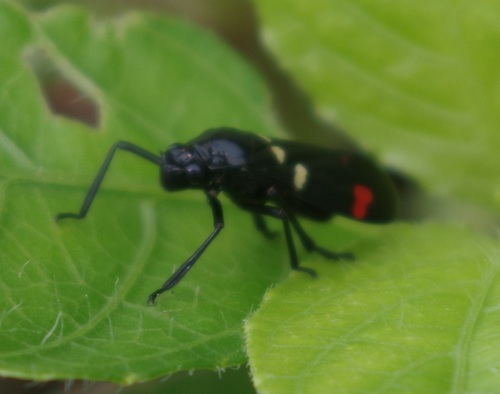
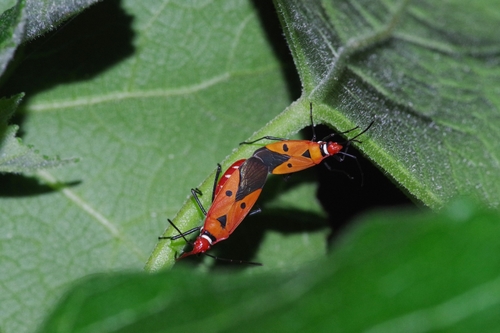
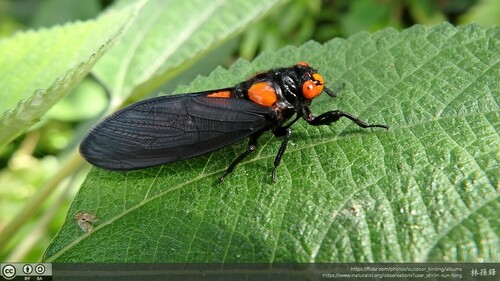
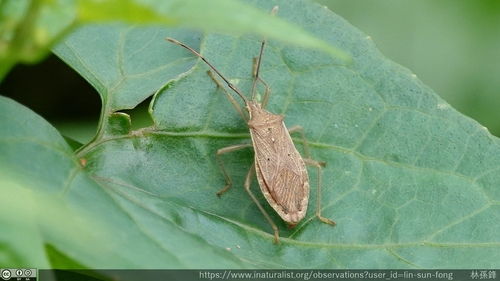
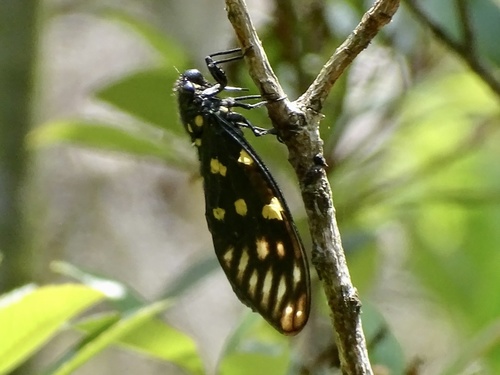
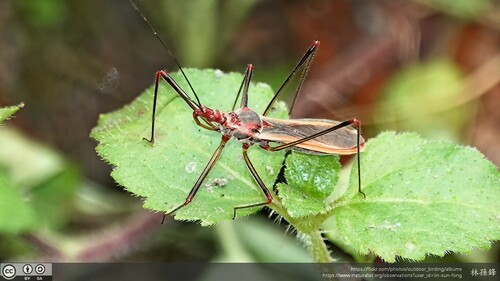
Brachyplatys subaeneus

Brachyplatys subaeneus

Brachyplatys subaeneus

Daily sighting probability ~10% · With luck
at Tuen Mun

In 3 days ~20% in a week ~40%

18 Verified sightings at Tuen Mun
10 In 1 park From 2019 to 2026
August Best month
☀️ Diurnal When it's spotted

About the Brachyplatys subaeneus

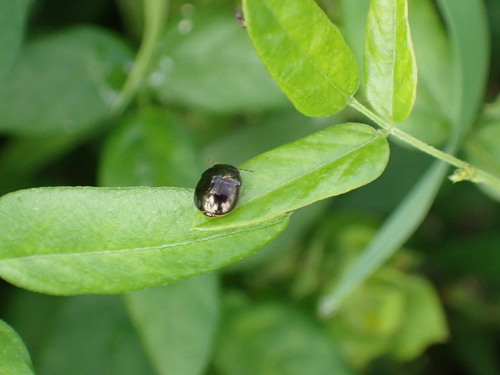
Brachyplatys subaeneus, also referred to as the black bean bug, is a species of shield bugs belonging to the family Plataspidae, occurring throughout much of Asia, and invasive elsewhere. It is known to be a pest, particularly in legume crops, but infests a wide range of plant species.

This species occurs over much of Asia, from India eastward to Japan and Southeast Asia. Black bean bugs were found for the first time in the Western Hemisphere in 2012 in Panama, though initially misidentified. There have been additional verified reports subsequently from Costa Rica, the Dominican Republic, Ecuador, and the United States (in the state of Florida, in 2020).

Females produce 300–400 eggs, laid over a period of several months, deposited in hidden locations on or near host plants. Nymphs and adults tend to aggregate on stems or on petioles under leaves, where they feed on plant fluids. Black bean bugs show a clear preference for Fabaceae (legumes), attacking cosmopolitan crops such as common beans (Phaseolus spp.), cowpeas (Vigna spp.), soybean (Glycine max) and pigeon pea (Cajanus cajan), but they also are reported to damage crop plants in several other plant... Wikipedia →
Global Distribution

Parks Where Found

# Park Country Daily sighting probability
1 Galápagos Islands 🇪🇨 Ecuador
<5%

More parks will be added in future updates.

Cities Where Found

# City Country Daily sighting probability
1 Santo Domingo 🇩🇴 Dominican Republic
~10%
2 Tuen Mun 🇨🇳 China
~10%
3 Panama City 🇵🇦 Panama
~10%
4 Guangzhou 🇨🇳 China
<5%
5 Hong Kong 🇨🇳 China
<5%
6 Miami 🇺🇸 United States
<5%
7 Singapore 🇸🇬 Singapore
<5%

Before you go

What are the chances of seeing a Brachyplatys subaeneus in Tuen Mun?

With luck

About 10% of wildlife watchers report a Brachyplatys subaeneus sighting in Tuen Mun on a given day, based on 18 verified sightings from GBIF citizen-science data. It is the 218th most-seen of the 557 insects we can rate there. Over three days the chance rises to about 20%, and over a week to about 40%, if each day is a fresh chance.

When is the best time to see a Brachyplatys subaeneus in Tuen Mun?

August

In that month about 20% of wildlife watchers report a Brachyplatys subaeneus in Tuen Mun on a given day, against under 5% in May, July, September and November–February, the lowest months. That is one of Tuen Mun's wettest months, with about 230 mm of rain against 20 mm in December.

What time of day is best to see a Brachyplatys subaeneus?

Between 9 am and noon

Across all the parks we cover, that three-hour window holds the most Brachyplatys subaeneus sightings with a recorded time, and nearly all of them come between 6 am and 6 pm: it is a daytime animal.

Is Tuen Mun the best place to see a Brachyplatys subaeneus?

Among the best

Of the 7 cities where we can rate Brachyplatys subaeneus sightings, Tuen Mun ranks 2nd at about 10%, level with the leaders once rounded. The best odds are in Santo Domingo (Dominican Republic, about 10%).

Where does the Brachyplatys subaeneus sighting chance come from?

GBIF citizen-science records

It is estimated from how often the Brachyplatys subaeneus is recorded against all the insects logged in Tuen Mun (18 verified sightings), calibrated against known sighting rates. Figures are rounded to the nearest 10% because citizen-science data supports honest approximations, not decimals, and months with records from fewer than five people show "—". How it works.

← Back to Tuen Mun