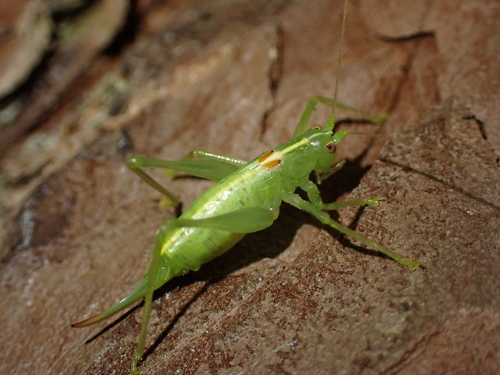
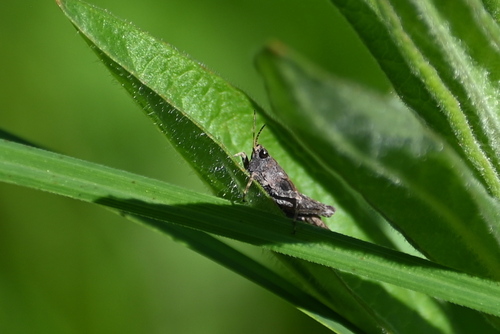
Fall Field Cricket

Fall Field Cricket

Gryllus pennsylvanicus

Daily sighting probability <5% · Rare
at Vancouver

In 3 days ~10% in a week ~20%

19 Verified sightings at Vancouver
31 In all 2 parks From 2019 to 2026
August Best month
☀️ Diurnal When it's spotted

About the Fall Field Cricket

Gryllus pennsylvanicus is known as the fall field cricket. G. pennsylvanicus is widespread across much of North America from southern Ontario into parts of northern Mexico. It tends to be absent in most of the southwestern United States including southern California. Within its geographic range this field cricket will burrow into soil in fields and forest edges. Individuals inhabit grassy disturbed areas and are often found around areas of human habitation.

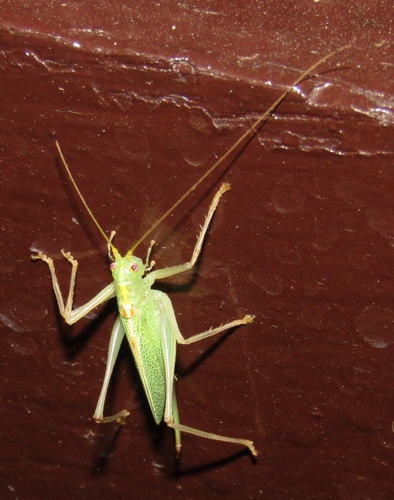
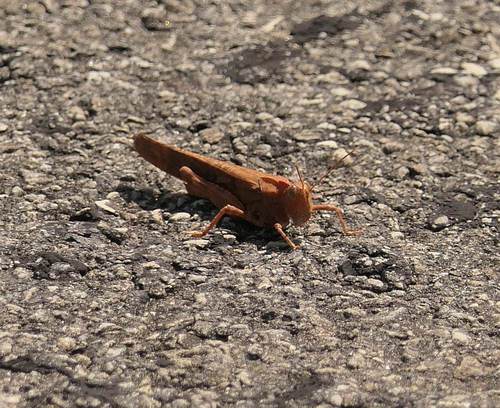
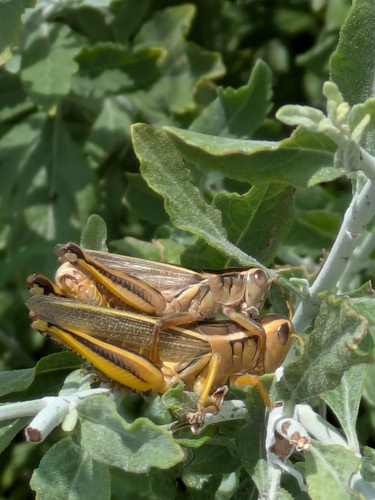
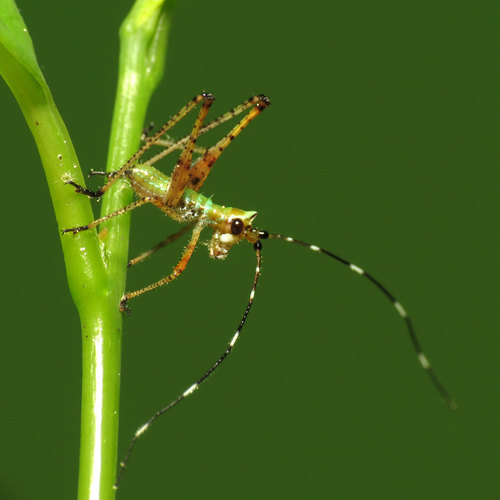
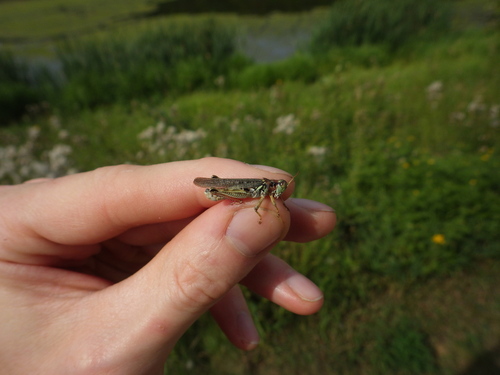
Adults reach 15–25 millimetres (0.6–1.0 in) and coloration ranges from dark black to dark brown, although some specimens show a slight reddish tint. The black antennae tend to be longer than the body span of the species. The cerci are longer than the head and prothorax, and the wings do not extend past the cerci.

During the breeding season, the number of adult female G. pennsylvanicus captured in pitfall traps peaks approximately two weeks after the peak in the number of adult males captured, which seems to indicate protandry. Breeding in some areas also coincides with the seed rain from certain agricultural weeds, possibly providing females with food resources to increase their fecundity.... Wikipedia →

Global Distribution

Parks Where Found

# Park Country Daily sighting probability
1 Acadia National Park 🇺🇸 United States
~10%
2 Great Bear Rainforest 🇨🇦 Canada
~10%

Cities Where Found

# City Country Daily sighting probability
1 Montreal 🇨🇦 Canada
~10%
2 Toronto 🇨🇦 Canada
<5%
3 Boston 🇺🇸 United States
<5%
4 Minneapolis [Saint Paul] 🇺🇸 United States
<5%
5 Baltimore 🇺🇸 United States
<5%
6 Philadelphia 🇺🇸 United States
<5%
7 Vancouver 🇨🇦 Canada
<5%
8 Washington 🇺🇸 United States
<5%
9 Denver 🇺🇸 United States
<5%
10 Chicago 🇺🇸 United States
<5%

Before you go

What are the chances of seeing a Fall Field Cricket in Vancouver?

Rare

Under 5% of wildlife watchers report a Fall Field Cricket sighting in Vancouver on a given day, based on 19 verified sightings from GBIF citizen-science data. It is the 234th most-seen of the 482 insects we can rate there. Over three days the chance rises to about 10%, and over a week to about 20%, if each day is a fresh chance.

When is the best time to see a Fall Field Cricket in Vancouver?

August

In that month about 10% of wildlife watchers report a Fall Field Cricket in Vancouver on a given day, against under 5% in September to July, the lowest months. That is one of Vancouver's driest months, with about 35 mm of rain against 210 mm in November.

What time of day is best to see a Fall Field Cricket?

Between 9 am and noon

Across all the parks we cover, that three-hour window holds the most Fall Field Cricket sightings with a recorded time, and about 9 in 10 of them come between 6 am and 6 pm: it is a daytime animal.

Is Vancouver the best place to see a Fall Field Cricket?

7th of 11

Of the 11 cities where we can rate Fall Field Cricket sightings, Vancouver ranks 7th at under 5%. The best odds are in Montreal (Canada, about 10%), Toronto (Canada, under 5%) and Boston (United States, under 5%).

Which relatives of the Fall Field Cricket live in Vancouver?

Same order: Orthoptera

The closest relatives of the Fall Field Cricket that you can see in Vancouver (order Orthoptera, Grasshoppers, Crickets, and Katydids) are Oak Bush-Cricket (about 10%), Carolina Grasshopper (about 10%) and Two-Striped Grasshopper (about 10%), with each one's daily chance of a sighting.

Where does the Fall Field Cricket sighting chance come from?

GBIF citizen-science records

It is estimated from how often the Fall Field Cricket is recorded against all the insects logged in Vancouver (19 verified sightings), calibrated against known sighting rates. Figures are rounded to the nearest 10% because citizen-science data supports honest approximations, not decimals, and months with records from fewer than five people show "—". How it works.

← Back to Vancouver