Ochre-Tipped Darner

Ochre-Tipped Darner

Dromaeschna weiskei

Daily sighting probability ~10% · With luck
at Daintree National Park

In 3 days ~20% in a week ~30%

5 Verified sightings at Daintree National Park From 2019 to 2026
5 In 1 park
March Best month
☀️ Diurnal When it's spotted

About the Ochre-Tipped Darner

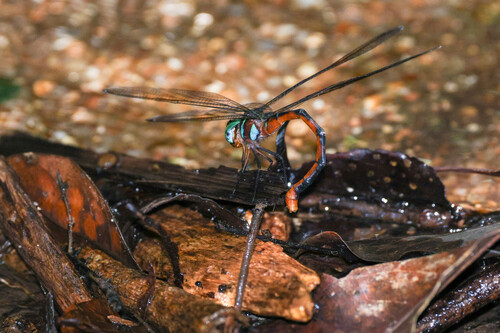
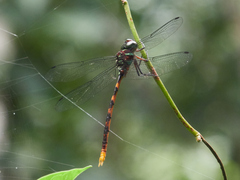
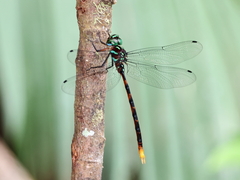
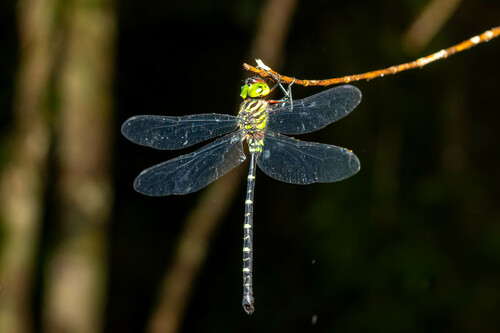
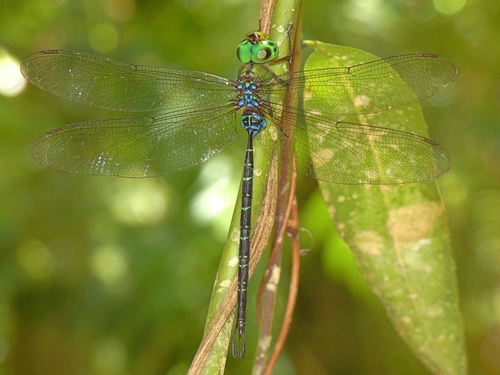
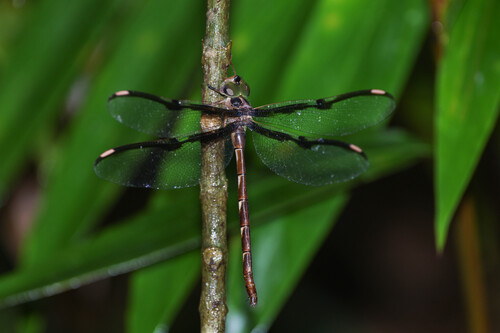
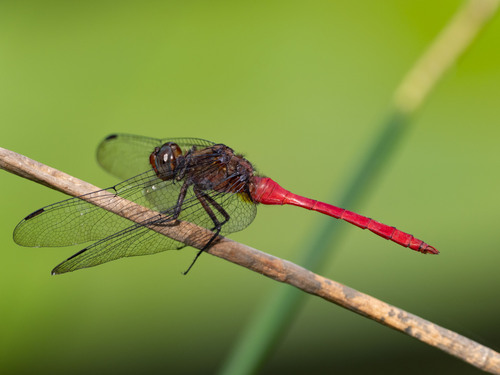
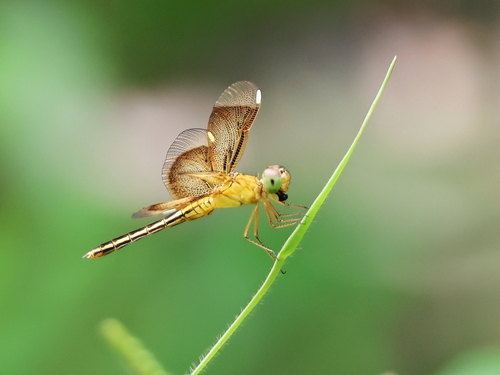
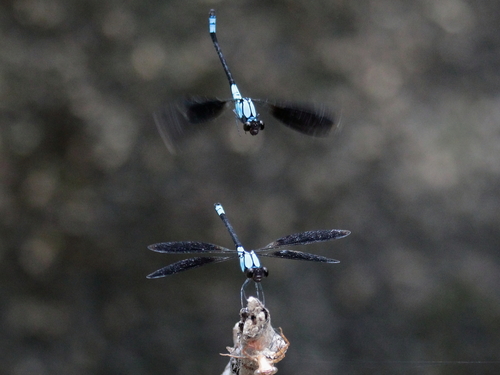
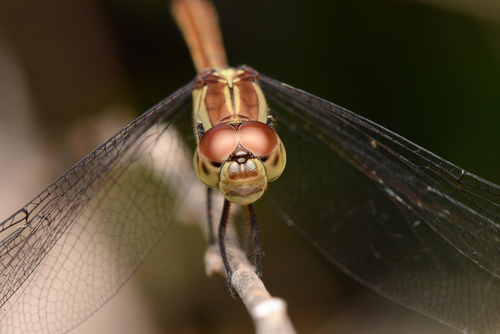
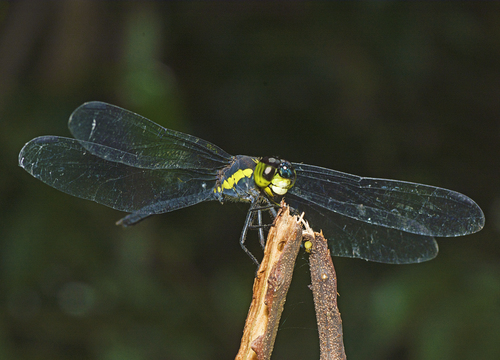
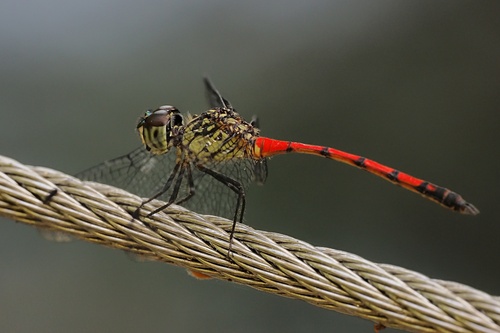
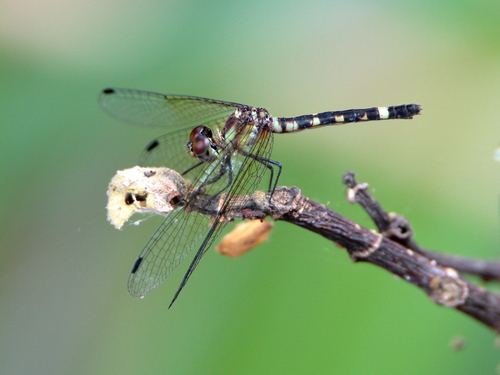
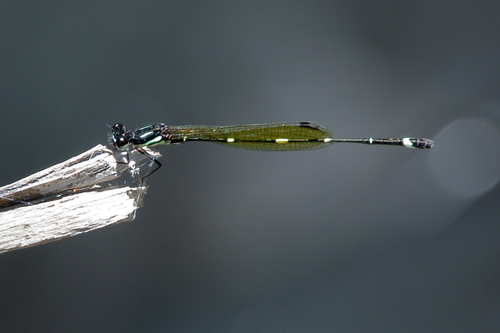
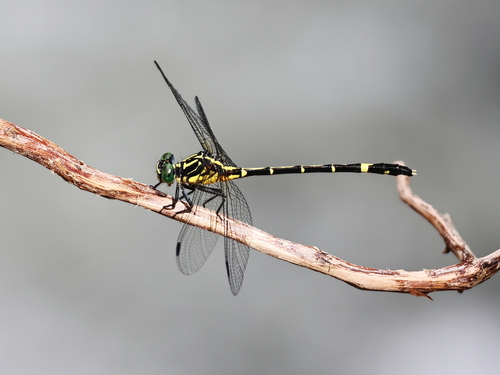
Dromaeschna weiskei is a species of dragonfly in the family Aeshnidae, known as an ochre-tipped darner. It inhabits streams in coastal rainforests of north-eastern Queensland, Australia. Dromaeschna weiskei is a large black dragonfly with pale green markings and an orange-red tip to its tail.

The Australian Faunal Directory no longer considers Dromaeschna to be a distinct genus, and Dromaeschna weiskei now has the name, Austroaeschna weiskei. However, World Odonata List uses the name Dromaeschna weiskei. The genus name Dromaeschna is derived from the Greek δρόμος (dromos, "running" or "course"), combined with -aeschna, a suffix commonly used for dragonflies associated with the Aeshna group. The reason for the application of the name is unknown.

List of dragonflies of Australia Wikipedia →

Global Distribution

Parks Where Found

# Park Country Daily sighting probability
1 Daintree National Park 🇦🇺 Australia
~10%

More parks will be added in future updates.

Before you go

What are the chances of seeing an Ochre-Tipped Darner in Daintree National Park?

With luck

About 10% of wildlife watchers report an Ochre-Tipped Darner sighting in Daintree National Park on a given day, based on 5 verified sightings from GBIF citizen-science data from 2019 to 2026. It is the 745th most-seen of the 856 insects we can rate there. Over three days the chance rises to about 20%, and over a week to about 30%, if each day is a fresh chance.

When is the best time to see an Ochre-Tipped Darner in Daintree National Park?

March and April

In those months about 20% of wildlife watchers report an Ochre-Tipped Darner in Daintree National Park on a given day, against under 5% in February and May–December, the lowest months. Those are among Daintree National Park's wettest months, with about 250 mm of rain a month against 50 mm in September.

What time of day is best to see an Ochre-Tipped Darner?

Between 11 am and 2 pm

Across all the parks we cover, that three-hour window holds the most Ochre-Tipped Darner sightings with a recorded time, and about 8 in 10 of them come between 6 am and 6 pm: it is a daytime animal.

Where else can you see an Ochre-Tipped Darner?

Only Daintree National Park, in our data

Daintree National Park is the only park on Wallace's Line with enough records to rate Ochre-Tipped Darner sightings: about 10% of wildlife watchers there report one on a given day.

Where does the Ochre-Tipped Darner sighting chance come from?

GBIF citizen-science records

It is estimated from how often the Ochre-Tipped Darner is recorded against all the insects logged in Daintree National Park (5 verified sightings from 2019 to 2026), calibrated against known sighting rates. Figures are rounded to the nearest 10% because citizen-science data supports honest approximations, not decimals, and months with records from fewer than five people show "—". How it works.

← Back to Daintree National Park