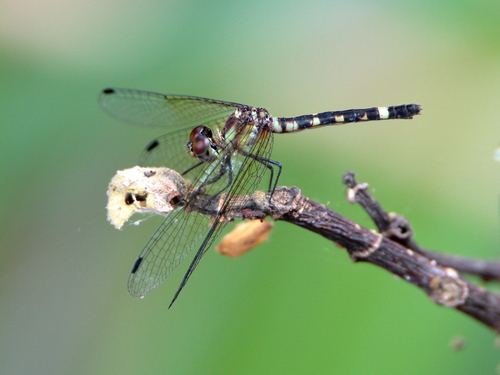
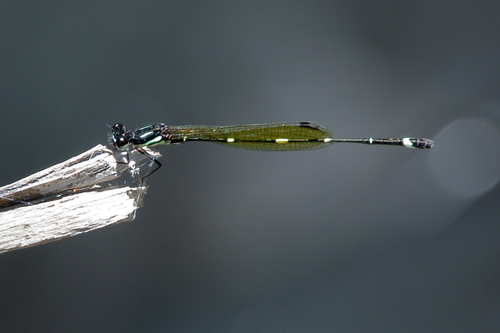
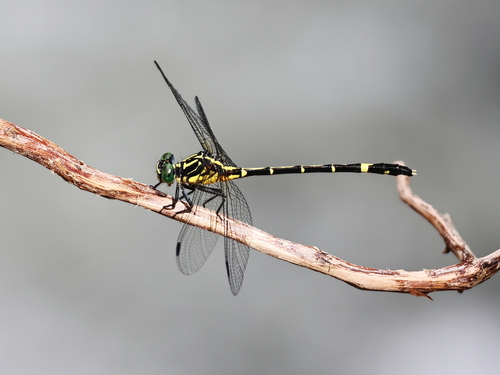
Paddle-Tipped Duskhawker

Paddle-Tipped Duskhawker

Gynacantha mocsaryi

Daily sighting probability ~10% · With luck
at Daintree National Park

In 3 days ~20% in a week ~40%

10 Verified sightings at Daintree National Park From 2019 to 2026
10 In 1 park
February Best month
☀️ Diurnal When it's spotted

About the Paddle-Tipped Duskhawker

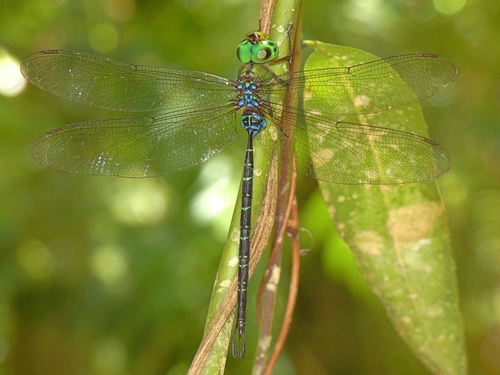
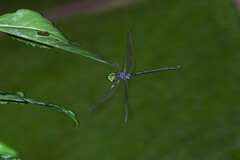
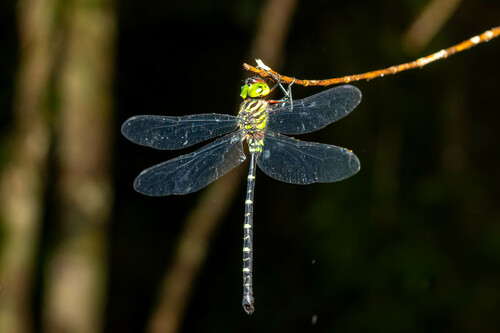
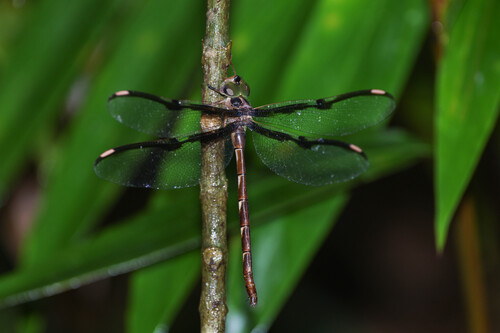
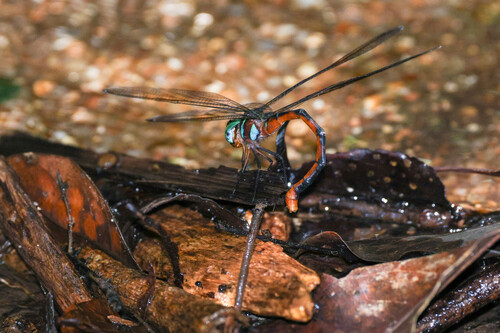
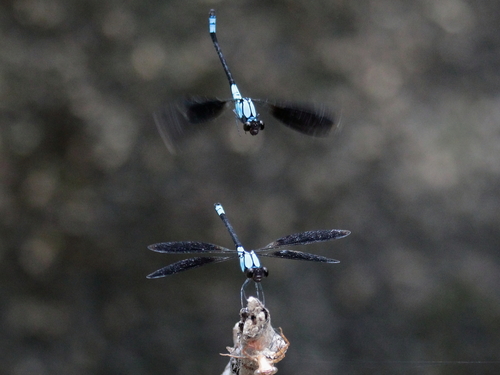
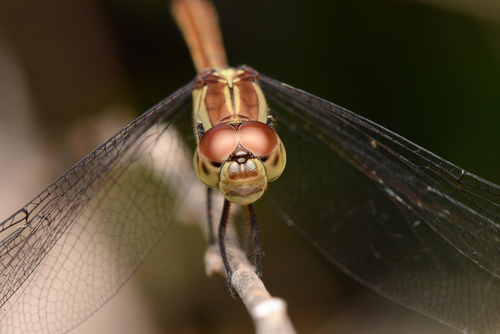
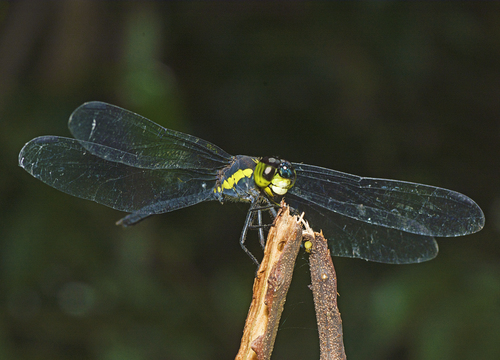
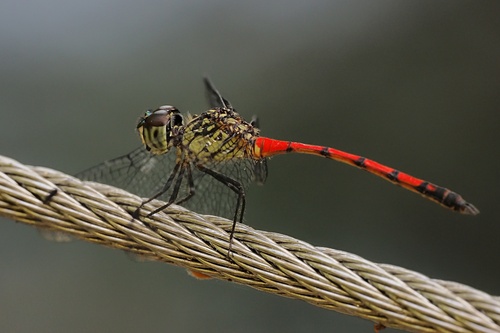
Gynacantha mocsaryi is a species of dragonfly in the family Aeshnidae, known as the paddle-tipped duskhawker. It is found in northern Queensland, Australia, the Maluku Islands and New Guinea. Gynacantha mocsaryi is a large, dark coloured dragonfly with a strongly constricted waist in its abdomen at segment 3. Adult males have a blue colouring. It is a crepuscular insect and flies at dawn and dusk.

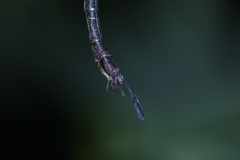
The genus name Gynacantha is derived from Greek γυνή (gynē, “woman”) and ἄκανθα (akantha, “thorn”). The name refers to the spines at the end of the female abdomen. In 1898, Friedrich Förster named this species mocsaryi, an eponym honouring the entomologist Alexander Mocsáry (1841–1915), custodian of the Hungarian National Museum.

List of Odonata species of Australia Wikipedia →

Global Distribution

Parks Where Found

# Park Country Daily sighting probability
1 Daintree National Park 🇦🇺 Australia
~10%

More parks will be added in future updates.

Before you go

What are the chances of seeing a Paddle-Tipped Duskhawker in Daintree National Park?

With luck

About 10% of wildlife watchers report a Paddle-Tipped Duskhawker sighting in Daintree National Park on a given day, based on 10 verified sightings from GBIF citizen-science data from 2019 to 2026. It is the 457th most-seen of the 856 insects we can rate there. Over three days the chance rises to about 20%, and over a week to about 40%, if each day is a fresh chance.

When is the best time to see a Paddle-Tipped Duskhawker in Daintree National Park?

February and November

In those months about 20% of wildlife watchers report a Paddle-Tipped Duskhawker in Daintree National Park on a given day, against under 5% in March–May, August–September and December–January, the lowest months.

What time of day is best to see a Paddle-Tipped Duskhawker?

Between 9 am and noon

Across all the parks we cover, that three-hour window holds the most Paddle-Tipped Duskhawker sightings with a recorded time, and about 7 in 10 of them come between 6 am and 6 pm: it is a daytime animal.

Where else can you see a Paddle-Tipped Duskhawker?

Only Daintree National Park, in our data

Daintree National Park is the only park on Wallace's Line with enough records to rate Paddle-Tipped Duskhawker sightings: about 10% of wildlife watchers there report one on a given day.

Which relatives of the Paddle-Tipped Duskhawker live in Daintree National Park?

Same family: Aeshnidae

The closest relatives of the Paddle-Tipped Duskhawker that you can see in Daintree National Park (family Aeshnidae, Darners) are Green-Striped Darner (about 10%), Tropical Evening Darner (about 10%) and Ochre-Tipped Darner (about 10%), with each one's daily chance of a sighting.

Where does the Paddle-Tipped Duskhawker sighting chance come from?

GBIF citizen-science records

It is estimated from how often the Paddle-Tipped Duskhawker is recorded against all the insects logged in Daintree National Park (10 verified sightings from 2019 to 2026), calibrated against known sighting rates. Figures are rounded to the nearest 10% because citizen-science data supports honest approximations, not decimals, and months with records from fewer than five people show "—". How it works.

← Back to Daintree National Park