Vivid Dancer
Daily sighting probability ~30% · Possible
at Death Valley National Park

In 3 days ~60% in a week ~90%

53 Verified sightings at Death Valley National Park From 2019 to 2026
287 In all 9 parks
April Best month
☀️ Diurnal When it's spotted

About the Vivid Dancer

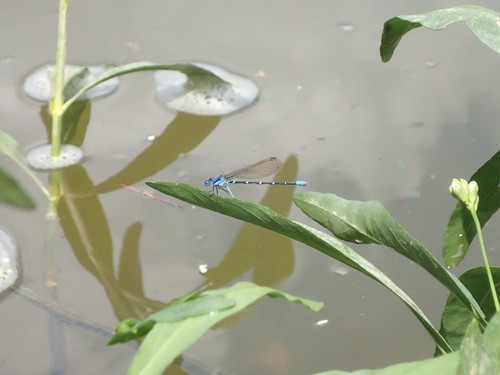
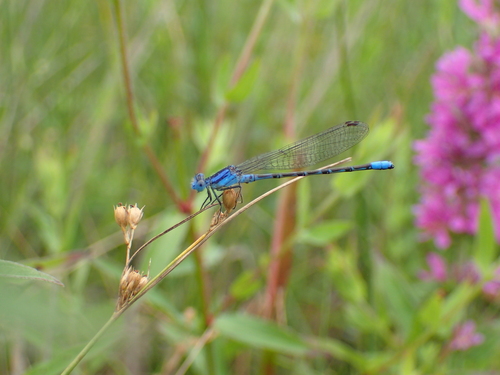
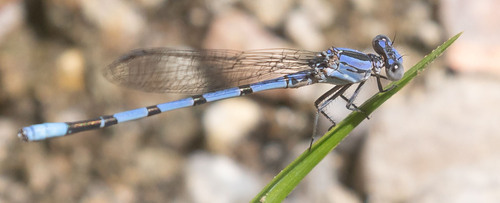
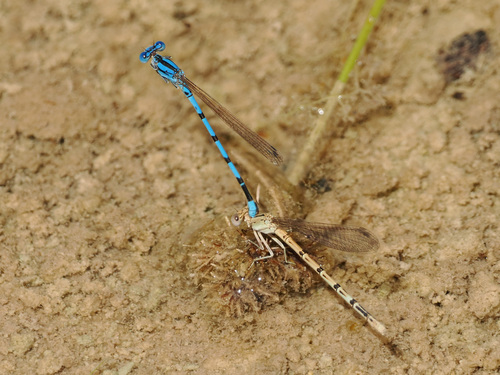
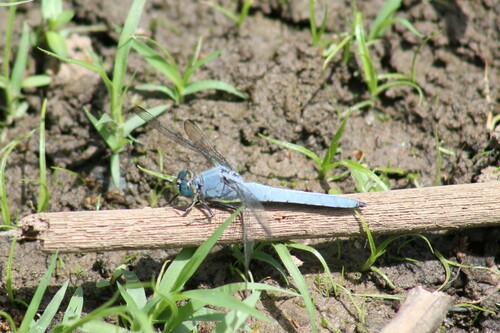
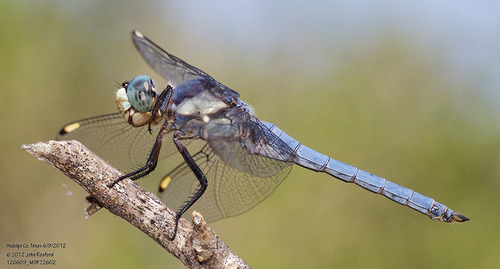
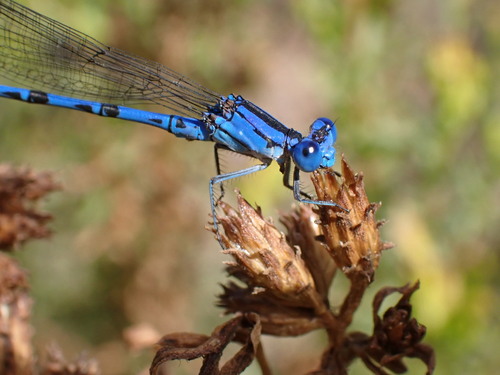
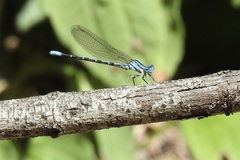
Argia vivida, the vivid dancer, is a species of narrow-winged damselfly in the family Coenagrionidae. This species is commonly found in springs and forests of Central America and North America. Argia vivida inhabit areas of diverse temperatures due to thermoregulation. The species is also considered the state insect of Nevada.

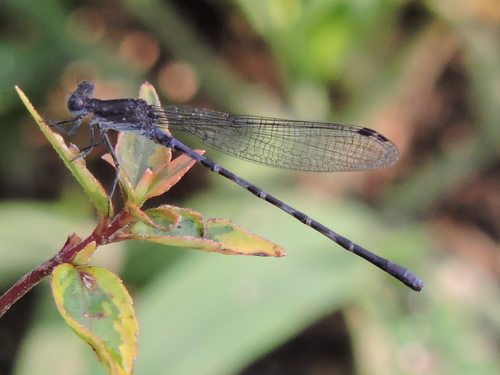
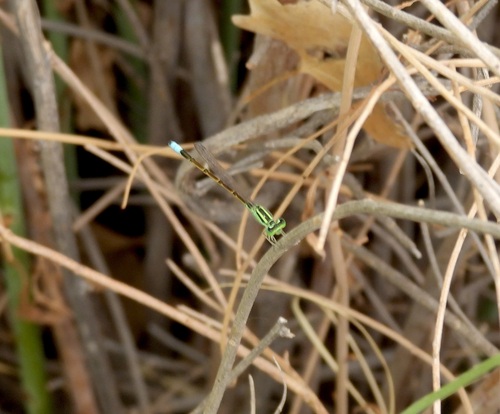
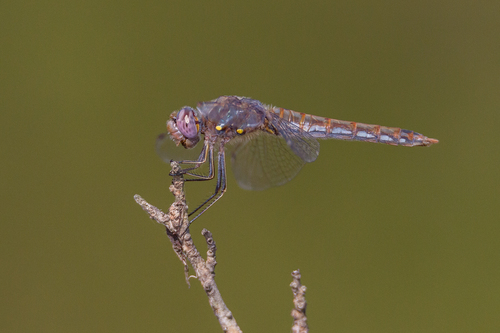
Argia vivida vary in color, although they are typically associated with the bright blue coloration. Other variations include red, brown, or grey depending on the type of morph and temperature. Mating occurs in mornings and afternoons, and eggs are oviposited just below the surface of the water. Larvae and adults feed on larvae from small invertebrates and small flying insects, respectively.

The IUCN conservation status of Argia vivida is "LC", least concern, with no immediate threat to the species' population. The population is stable. Female dimorphism occurs in two populations of Argia vivida from British Columbia, Canada. They are described as varying from a blue color morph and red color morph. Physiological color changes occur in males and both female morphs as a result of changing temperatures throughout the day. The two phases of color... Wikipedia →
Global Distribution

Parks Where Found

# Park Country Daily sighting probability
1 Death Valley National Park 🇺🇸 United States
~30%
2 Zion National Park 🇺🇸 United States
~30%
3 Sequoia and Kings Canyon National Parks 🇺🇸 United States
~10%
4 Grand Canyon National Park 🇺🇸 United States
~10%
5 Yellowstone National Park 🇺🇸 United States
~10%
6 Channel Islands National Park 🇺🇸 United States
~10%
7 Banff National Park 🇨🇦 Canada
~10%
8 Yosemite National Park 🇺🇸 United States
~10%
9 Redwood National Park 🇺🇸 United States
~10%

Cities Where Found

# City Country Daily sighting probability
1 San Francisco 🇺🇸 United States
~10%
2 San Diego 🇺🇸 United States
~10%
3 Portland 🇺🇸 United States
~10%
4 Sacramento 🇺🇸 United States
~10%
5 Salt Lake City 🇺🇸 United States
~10%
6 Los Angeles 🇺🇸 United States
~10%
7 Denver 🇺🇸 United States
~10%
8 Las Vegas 🇺🇸 United States
~10%

Before you go

What are the chances of seeing a Vivid Dancer in Death Valley National Park?

Possible

About 30% of wildlife watchers report a Vivid Dancer sighting in Death Valley National Park on a given day, based on 53 verified sightings from GBIF citizen-science data from 2019 to 2026. It is the 16th most-seen of the 108 insects we can rate there. Over three days the chance rises to about 60%, and over a week to about 90%, if each day is a fresh chance.

When is the best time to see a Vivid Dancer in Death Valley National Park?

March and April

In those months about 40% of wildlife watchers report a Vivid Dancer in Death Valley National Park on a given day, against under 5% in January, June–July and September, the lowest months.

What time of day is best to see a Vivid Dancer?

Between 11 am and 2 pm

Across all the parks we cover, that three-hour window holds the most Vivid Dancer sightings with a recorded time, and about 9 in 10 of them come between 6 am and 6 pm: it is a daytime animal.

Is Death Valley National Park the best place to see a Vivid Dancer?

Yes

Of the 9 parks where we can rate Vivid Dancer sightings, Death Valley National Park has the highest daily chance: about 30%. Next come Zion National Park (United States, about 30%) and Sequoia and Kings Canyon National Parks (United States, about 10%).

Which relatives of the Vivid Dancer live in Death Valley National Park?

Same genus: Argia

The closest relatives of the Vivid Dancer that you can see in Death Valley National Park (genus Argia, Dancers) are Blue-Ringed Dancer (about 20%), Kiowa Dancer (about 10%) and Paiute Dancer (about 10%), with each one's daily chance of a sighting.

Where does the Vivid Dancer sighting chance come from?

GBIF citizen-science records

It is estimated from how often the Vivid Dancer is recorded against all the insects logged in Death Valley National Park (53 verified sightings from 2019 to 2026), calibrated against known sighting rates. Figures are rounded to the nearest 10% because citizen-science data supports honest approximations, not decimals, and months with records from fewer than five people show "—". How it works.

← Back to Death Valley National Park