Northern Armyworm

Northern Armyworm

Mythimna separata

Daily sighting probability ~10% · With luck
at Egmont National Park

In 3 days ~30% in a week ~50%

7 Verified sightings at Egmont National Park From 2019 to 2026
7 In 1 park
March Best month
☀️🌙 Day & Night When it's spotted

About the Northern Armyworm

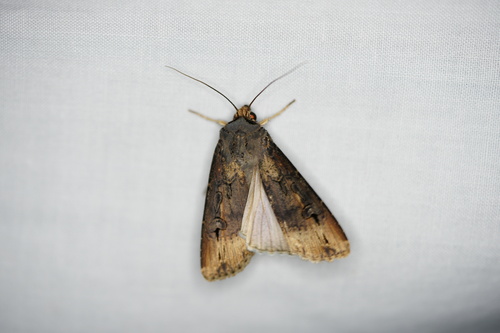
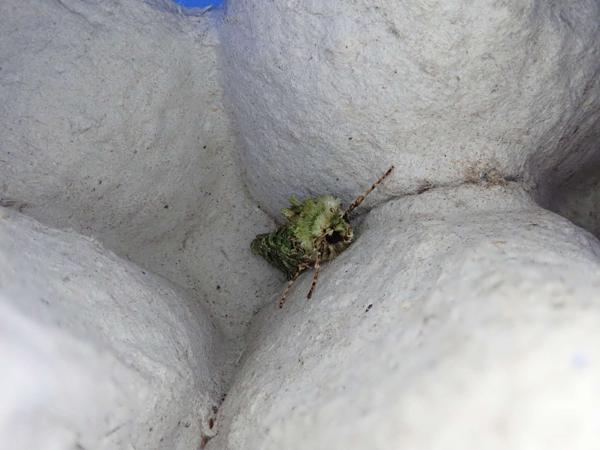
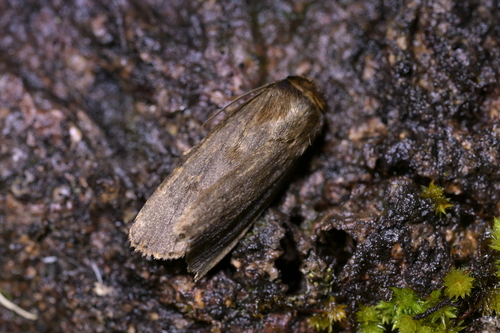
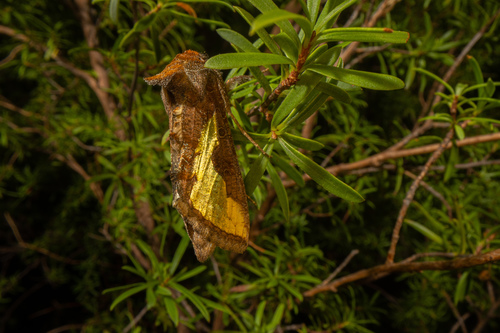
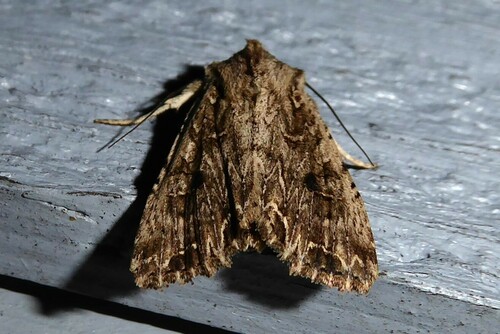
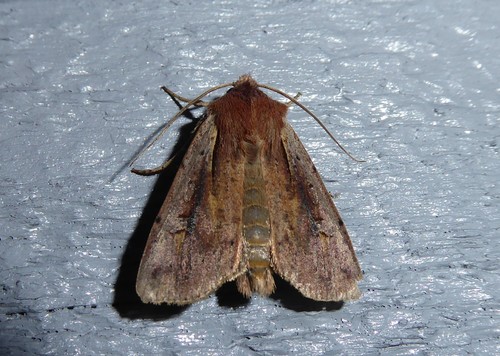
Mythimna separata, the northern armyworm, oriental armyworm or rice ear-cutting caterpillar, is a moth of the family Noctuidae. It is found in China, Japan, South-east Asia, India, eastern Australia, New Zealand, and some Pacific islands. It is one of the major pests of maize in Asia. The species was first described by Francis Walker in 1865.

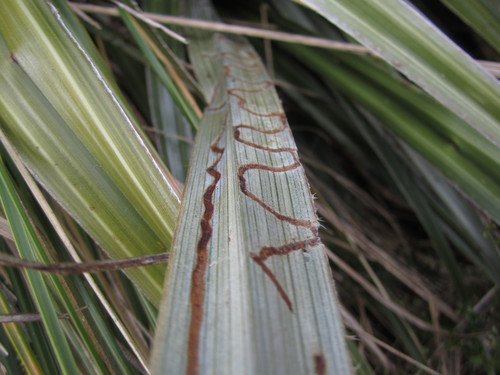
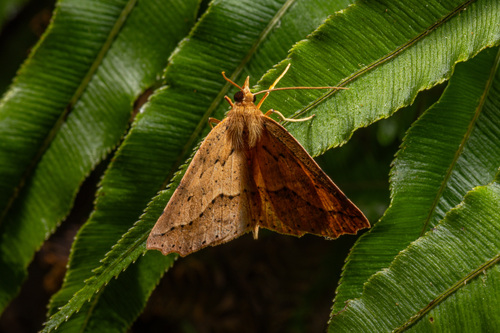
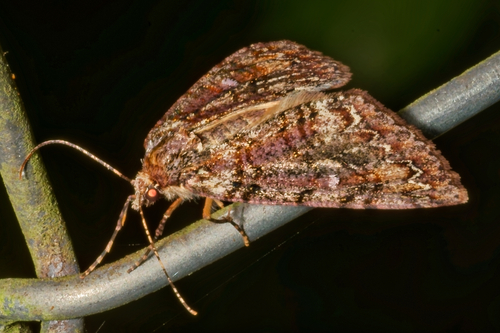
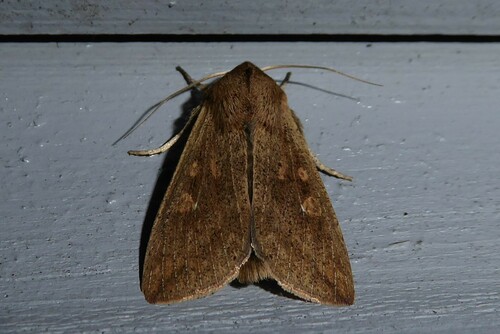
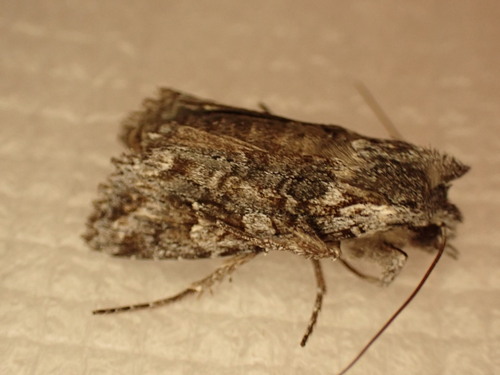
The term "armyworm" is used because of their habit to spread out in a line across a lawn or pasture, and slowly "march" forward, consuming the foliage they encounter. The wingspan is 35–50 mm. Males lack paired tufts on the basal segment of the abdomen below. The forewings are greyish yellow with a dark-grey or reddish-yellow tinge. The round and reniform spots are light or yellowish with indistinct edges, whereas reniform spot with white point at lower margin. External wing margin blackened obliquely from top backward, with dark stroke and with a row of dark points. Hindwings are grey, with dark external margin. Antennae thread like. Eggs are spherical and milky white with a thinly reticulate surface. Larvae usually have six instars, rarely seven. It reaching 40 mm in length at its last instar. Larva has two wide... Wikipedia →
Global Distribution

Parks Where Found

# Park Country Daily sighting probability
1 Egmont National Park 🇳🇿 New Zealand
~10%

More parks will be added in future updates.

Cities Where Found

# City Country Daily sighting probability
1 Auckland 🇳🇿 New Zealand
~10%

Before you go

What are the chances of seeing a Northern Armyworm in Egmont National Park?

With luck

About 10% of wildlife watchers report a Northern Armyworm sighting in Egmont National Park on a given day, based on 7 verified sightings from GBIF citizen-science data from 2019 to 2026. It is the 99th most-seen of the 191 insects we can rate there. Over three days the chance rises to about 30%, and over a week to about 50%, if each day is a fresh chance.

When is the best time to see a Northern Armyworm in Egmont National Park?

February–March and December

In those months about 20% of wildlife watchers report a Northern Armyworm in Egmont National Park on a given day, against under 5% in January and May–November, the lowest months.

What time of day is best to see a Northern Armyworm?

Between 7 and 10 pm

Across all the parks we cover, that three-hour window holds the most Northern Armyworm sightings with a recorded time, and about 6 in 10 of them come between 6 pm and 6 am: it is seen both by day and at night.

Where else can you see a Northern Armyworm?

Only Egmont National Park, in our data

Egmont National Park is the only park on Wallace's Line with enough records to rate Northern Armyworm sightings: about 10% of wildlife watchers there report one on a given day.

Which relatives of the Northern Armyworm live in Egmont National Park?

Same family: Noctuidae

The closest relatives of the Northern Armyworm that you can see in Egmont National Park (family Noctuidae, Cutworm Moths and Allies) are New Zealand Cutworm (about 20%), Ipsilon Dart Moth (about 20%) and Feredayia grammosa (about 20%), with each one's daily chance of a sighting.

Where does the Northern Armyworm sighting chance come from?

GBIF citizen-science records

It is estimated from how often the Northern Armyworm is recorded against all the insects logged in Egmont National Park (7 verified sightings from 2019 to 2026), calibrated against known sighting rates. Figures are rounded to the nearest 10% because citizen-science data supports honest approximations, not decimals, and months with records from fewer than five people show "—". How it works.

← Back to Egmont National Park