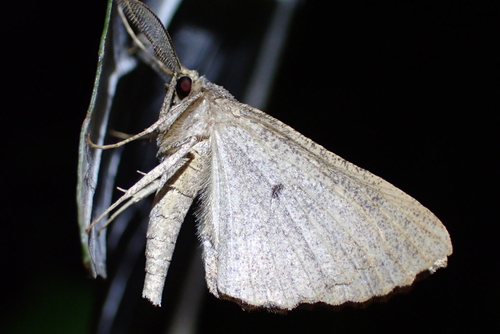
Astelia Zig-Zag Moth

Astelia Zig-Zag Moth

Charixena iridoxa

Endemic
Daily sighting probability ~20% · Possible
at Egmont National Park

In 3 days ~50% in a week ~80%

29 Verified sightings at Egmont National Park From 2019 to 2026
66 In all 3 parks
August Best month
☀️ Diurnal When it's spotted

About the Astelia Zig-Zag Moth

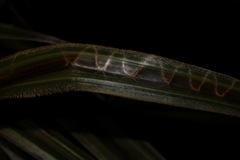
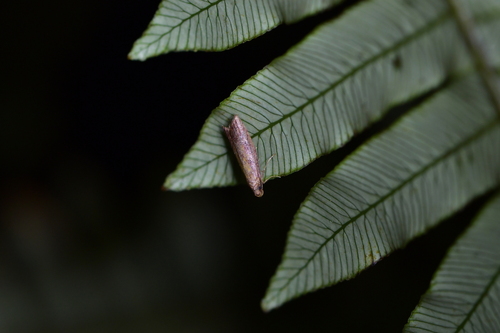
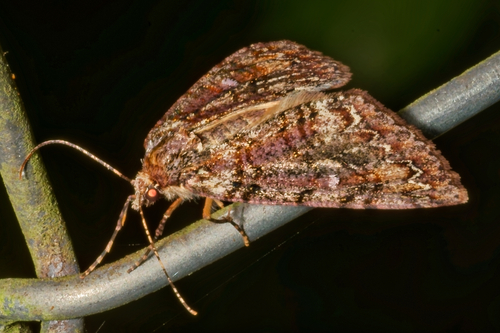
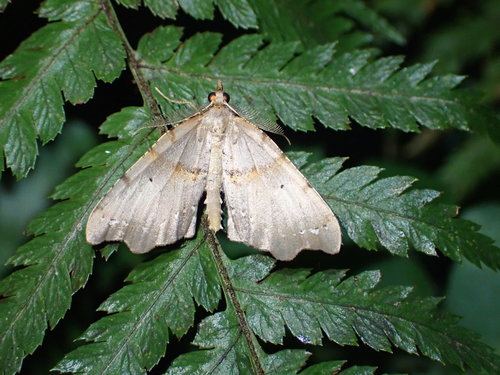
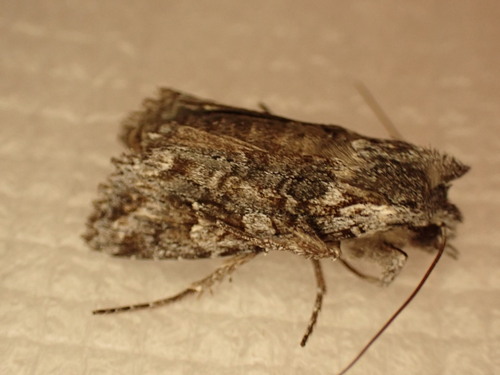
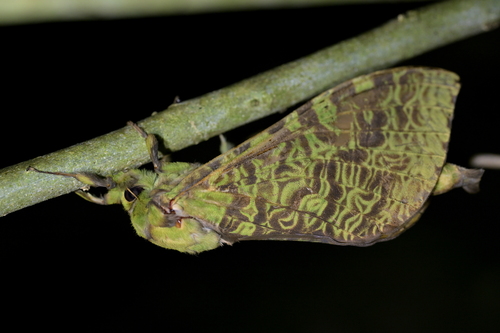
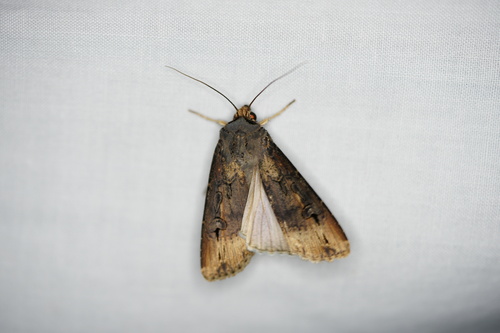
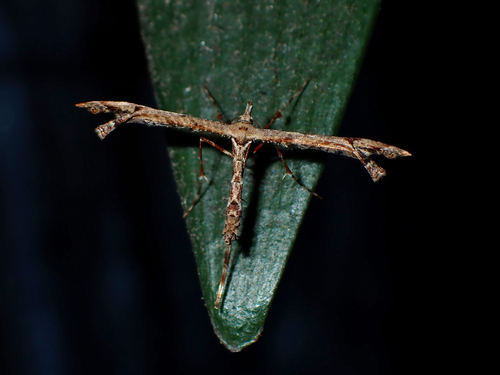
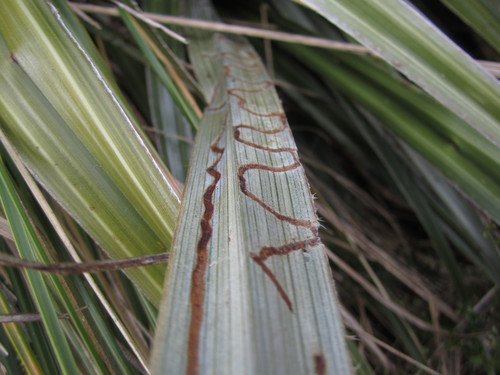
Charixena iridoxa, also known as the Astelia zig-zag moth, is a moth classified sometimes in the family Glyphipterigidae and sometimes in Plutellidae. It was first described by Edward Meyrick in 1916. This species is endemic to New Zealand and has been observed in the North, South and Stewart Islands. The life cycle of this moth is at least two years in length with the larvae inhabiting the bulb of its host plants and mining the underside of its leaves. These mines have a distinctive zig-zag appearance and can be easily recognised when looked for on the host plants. The larvae pupate in a cocoon attached to the leaf and this stage takes place between February and August. The adult moths emerge in the early spring and are fast, day flying moths. Their larval hosts are plants in the genus Astelia and include Astelia fragrans and Astelia nervosa.

This species was first described by Edward Meyrick using specimens collected at Mount Burns in the Hunter Mountains and originally named Philpottia iridoxa. In 1921 Meyrick, recognising that the genus name Philpottia was preoccupied, placed this species in the genus Charixena. In 1924 Morris N. Watt published a paper giving details... Wikipedia →

Global Distribution

Parks Where Found

# Park Country Daily sighting probability
1 Arthur's Pass National Park 🇳🇿 New Zealand
~30%
2 Egmont National Park 🇳🇿 New Zealand
~20%
3 Fiordland National Park 🇳🇿 New Zealand
~10%

Closest Relatives at Egmont National Park

Before you go

What are the chances of seeing an Astelia Zig-Zag Moth in Egmont National Park?

Possible

About 20% of wildlife watchers report an Astelia Zig-Zag Moth sighting in Egmont National Park on a given day, based on 29 verified sightings from GBIF citizen-science data from 2019 to 2026. It is the 6th most-seen of the 191 insects we can rate there. Over three days the chance rises to about 50%, and over a week to about 80%, if each day is a fresh chance.

When is the best time to see an Astelia Zig-Zag Moth in Egmont National Park?

April and August

In those months about 30% of wildlife watchers report an Astelia Zig-Zag Moth in Egmont National Park on a given day, against under 5% in October, the lowest month.

What time of day is best to see an Astelia Zig-Zag Moth?

Between 11 am and 2 pm

Across all the parks we cover, that three-hour window holds the most Astelia Zig-Zag Moth sightings with a recorded time, and about 9 in 10 of them come between 6 am and 6 pm: it is a daytime animal.

Is Egmont National Park the best place to see an Astelia Zig-Zag Moth?

2nd of 3

Of the 3 parks where we can rate Astelia Zig-Zag Moth sightings, Egmont National Park ranks 2nd at about 20%. The best odds are in Arthur's Pass National Park (New Zealand, about 30%).

Where does the Astelia Zig-Zag Moth sighting chance come from?

GBIF citizen-science records

It is estimated from how often the Astelia Zig-Zag Moth is recorded against all the insects logged in Egmont National Park (29 verified sightings from 2019 to 2026), calibrated against known sighting rates. Figures are rounded to the nearest 10% because citizen-science data supports honest approximations, not decimals, and months with records from fewer than five people show "—". How it works.
← Back to Egmont National Park