New Zealand Dobsonfly

New Zealand Dobsonfly

Archichauliodes diversus

Endemic
Daily sighting probability ~10% · With luck
at Fiordland National Park

In 3 days ~20% in a week ~40%

9 Verified sightings at Fiordland National Park From 2019 to 2026
62 In all 3 parks
September Best month
☀️🌙 Day & Night When it's spotted

About the New Zealand Dobsonfly

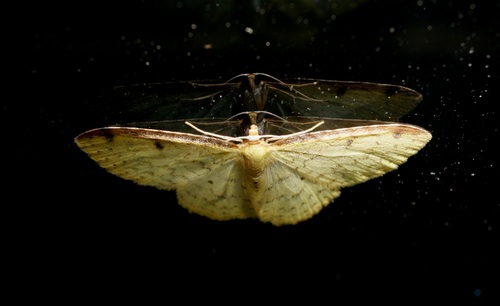
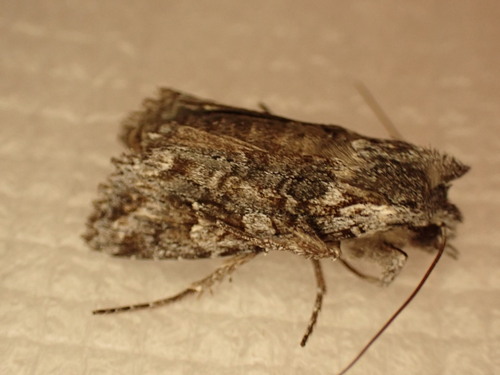
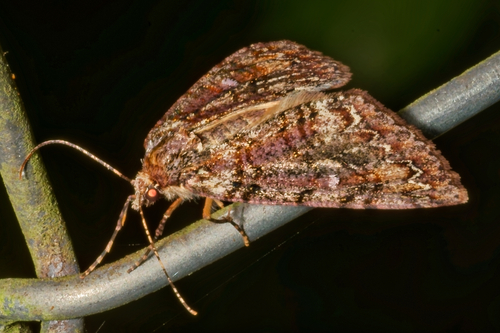
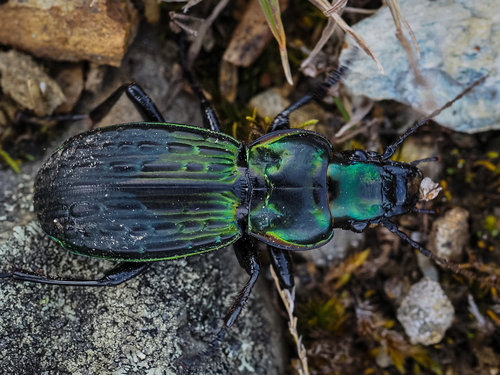
Archichauliodes diversus is an insect in the subfamily Chauliodinae - the fishflies, though it is often referred to as the New Zealand dobsonfly, despite not being a true dobsonfly. In its larval form it is commonly known by the name toe-biter, and its Māori name is puene. The species is native to New Zealand. Although there are many other species of fishfly in other parts of the world, Archichauliodes diversus is the only species of fishfly in New Zealand.

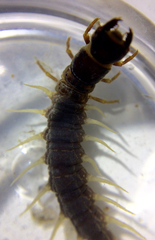
Archichauliodes larvae are one of the biggest freshwater insects in New Zealand. The thorax and head are black and flattened, and the head has a large set of mandibles. The larvae are sturdy animals with heavily sclerotised heads and thoracic segments. The abdomen is long and light in colour and it has 8 pairs of tentacle-like gills projecting from abdominal segments 1–8. Like other fishfly larvae they have anal prolegs with a pair of terminal hooks which they use to attach themselves to substrate, and they lack a terminal filament.

Archichauliodes diversus is the only member of the genus (and family) found in New Zealand where it is endemic and common throughout both the North and South Islands... Wikipedia →
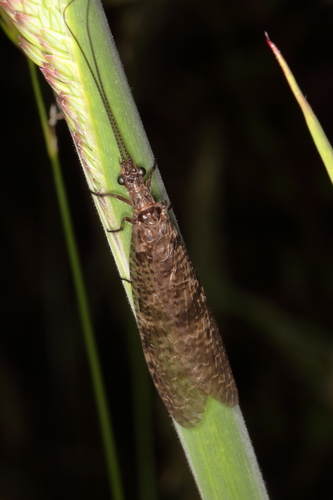
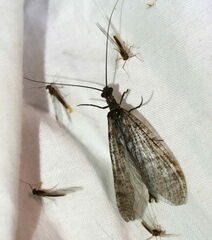
Global Distribution

Parks Where Found

# Park Country Daily sighting probability
1 Egmont National Park 🇳🇿 New Zealand
~30%
2 Abel Tasman National Park 🇳🇿 New Zealand
~10%
3 Fiordland National Park 🇳🇿 New Zealand
~10%

Cities Where Found

# City Country Daily sighting probability
1 Auckland 🇳🇿 New Zealand
<5%

Closest Relatives at Fiordland National Park

No species of the same family or order lives in Fiordland National Park, so these are its closest relatives here: other insects.

Before you go

What are the chances of seeing a New Zealand Dobsonfly in Fiordland National Park?

With luck

About 10% of wildlife watchers report a New Zealand Dobsonfly sighting in Fiordland National Park on a given day, based on 9 verified sightings from GBIF citizen-science data from 2019 to 2026. It is the 108th most-seen of the 201 insects we can rate there. Over three days the chance rises to about 20%, and over a week to about 40%, if each day is a fresh chance.

When is the best time to see a New Zealand Dobsonfly in Fiordland National Park?

September and December

In those months about 20% of wildlife watchers report a New Zealand Dobsonfly in Fiordland National Park on a given day, against under 5% in February–August and October–November, the lowest months.

What time of day is best to see a New Zealand Dobsonfly?

Between 8 and 11 pm

Across all the parks we cover, that three-hour window holds the most New Zealand Dobsonfly sightings with a recorded time, and about 6 in 10 of them come between 6 am and 6 pm: it is seen both by day and at night.

Is Fiordland National Park the best place to see a New Zealand Dobsonfly?

3rd of 3

Of the 3 parks where we can rate New Zealand Dobsonfly sightings, Fiordland National Park ranks 3rd at about 10%. The best odds are in Egmont National Park (New Zealand, about 30%) and Abel Tasman National Park (New Zealand, about 10%).

Where does the New Zealand Dobsonfly sighting chance come from?

GBIF citizen-science records

It is estimated from how often the New Zealand Dobsonfly is recorded against all the insects logged in Fiordland National Park (9 verified sightings from 2019 to 2026), calibrated against known sighting rates. Figures are rounded to the nearest 10% because citizen-science data supports honest approximations, not decimals, and months with records from fewer than five people show "—". How it works.

← Back to Fiordland National Park