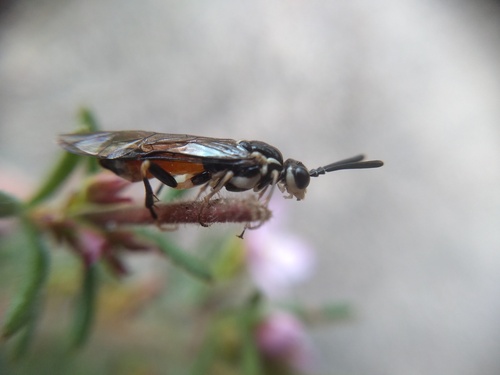
Amegilla chlorocyanea
Daily sighting probability ~10% · With luck
at Grampians National Park

In 3 days ~20% in a week ~50%

6 Verified sightings at Grampians National Park From 2019 to 2026
6 In 1 park
January Best month
☀️ Diurnal When it's spotted

About the Amegilla chlorocyanea

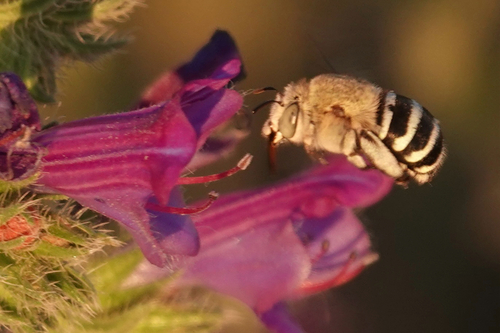
Amegilla chlorocyanea, the blue-banded bee, is a species of bee in the family Apidae. It is one of two species in the subgenus Notomegilla. The abdominal hair bands are usually white with blue-green iridescence, but in about 10% of specimens the bands are orange. The outer leg hairs also have blue-green iridescence. It is endemic to Australia, and can be found across most of the mainland. In southern parts of the country it can be found in the warmer months, and in northern Australia it is active all year round. This species will visit the flowers of both native and introduced plants. It has shown potential as an important pollinator of tomatoes and other food crops.

The species was first described by Theodore D. A. Cockerell in 1914, who placed it in the genus Anthophora. It has been known by many other names, including Amegilla luteola and Amegilla tinsleyella. It is one of several species commonly known as the Blue-banded bee.

Amegilla chlorocyanea is one of two species in the subgenus Notomegilla. Males are approximately 11mm long, with females being a little larger at around 13mm long. The eyes are large and grey-green. The antennae are black... Wikipedia →

Global Distribution

Parks Where Found

# Park Country Daily sighting probability
1 Grampians National Park 🇦🇺 Australia
~10%

More parks will be added in future updates.

Cities Where Found

# City Country Daily sighting probability
1 Perth 🇦🇺 Australia
~10%
2 Melbourne 🇦🇺 Australia
<5%

Before you go

What are the chances of seeing an Amegilla chlorocyanea in Grampians National Park?

With luck

About 10% of wildlife watchers report an Amegilla chlorocyanea sighting in Grampians National Park on a given day, based on 6 verified sightings from GBIF citizen-science data from 2019 to 2026. It is the 104th most-seen of the 148 insects we can rate there. Over three days the chance rises to about 20%, and over a week to about 50%, if each day is a fresh chance.

When is the best time to see an Amegilla chlorocyanea in Grampians National Park?

January and February

In those months about 20% of wildlife watchers report an Amegilla chlorocyanea in Grampians National Park on a given day, against under 5% in March to October, the lowest months.

What time of day is best to see an Amegilla chlorocyanea?

Between 8 and 11 am

Across all the parks we cover, that three-hour window holds the most Amegilla chlorocyanea sightings with a recorded time, and nearly all of them come between 6 am and 6 pm: it is a daytime animal.

Where else can you see an Amegilla chlorocyanea?

Only Grampians National Park, in our data

Grampians National Park is the only park on Wallace's Line with enough records to rate Amegilla chlorocyanea sightings: about 10% of wildlife watchers there report one on a given day.

Which relatives of the Amegilla chlorocyanea live in Grampians National Park?

Same order: Hymenoptera

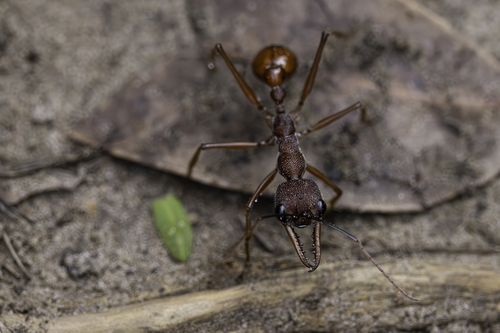
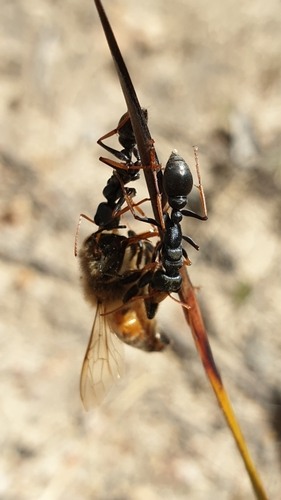
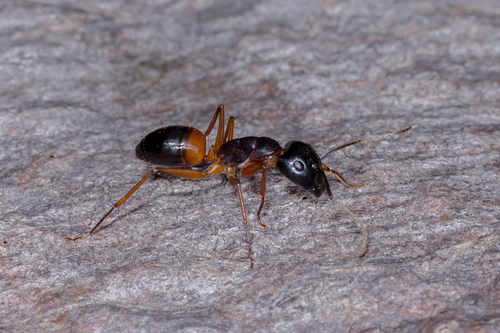
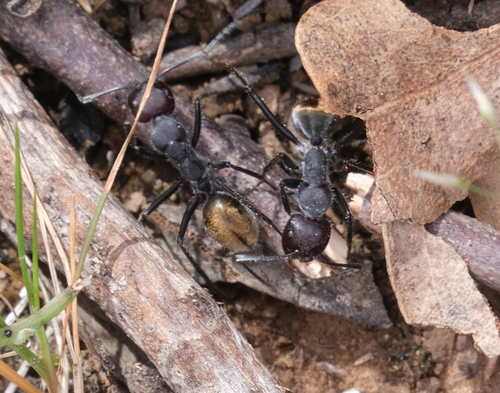
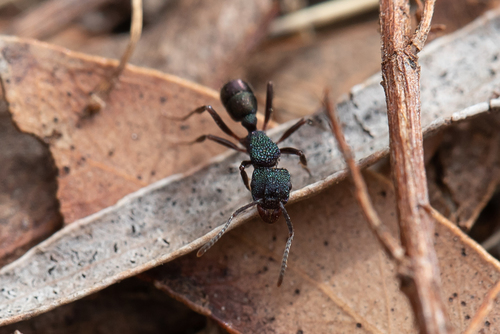
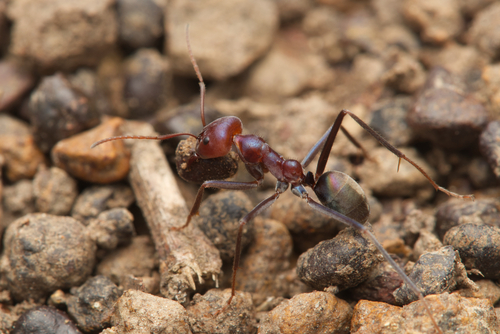
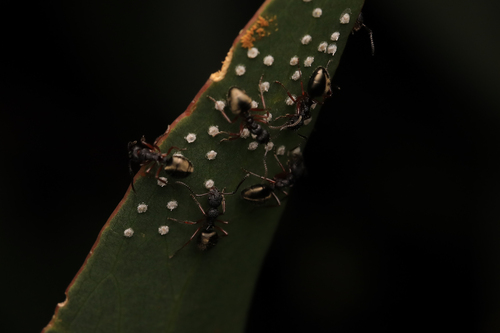
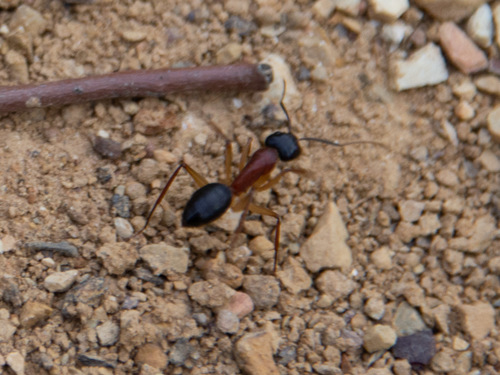
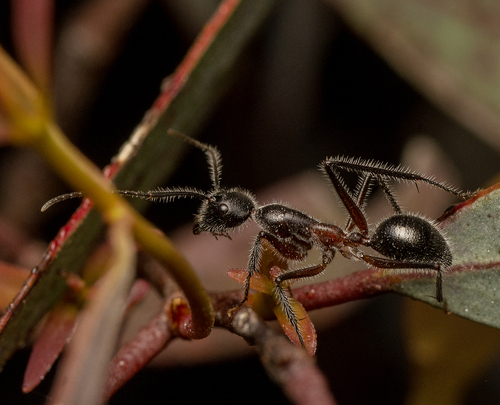
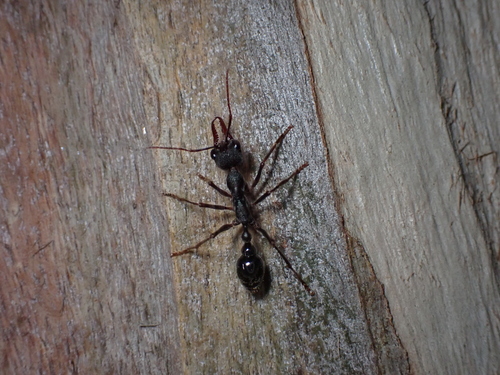
The closest relatives of the Amegilla chlorocyanea that you can see in Grampians National Park (order Hymenoptera, Ants, Bees, Wasps, and Sawflies) are Black-Scaped Bull Ant (about 40%), Jack Jumper Ant (about 40%) and Banded Sugar Ant (about 40%), with each one's daily chance of a sighting.

Where does the Amegilla chlorocyanea sighting chance come from?

GBIF citizen-science records

It is estimated from how often the Amegilla chlorocyanea is recorded against all the insects logged in Grampians National Park (6 verified sightings from 2019 to 2026), calibrated against known sighting rates. Figures are rounded to the nearest 10% because citizen-science data supports honest approximations, not decimals, and months with records from fewer than five people show "—". How it works.

← Back to Grampians National Park