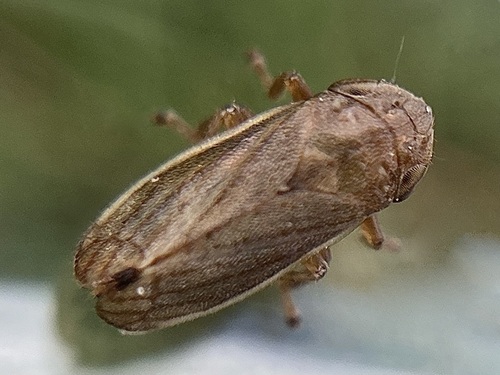
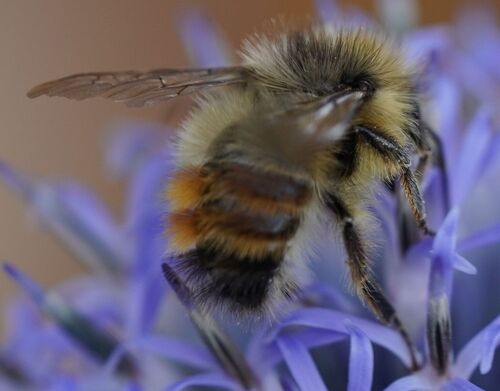
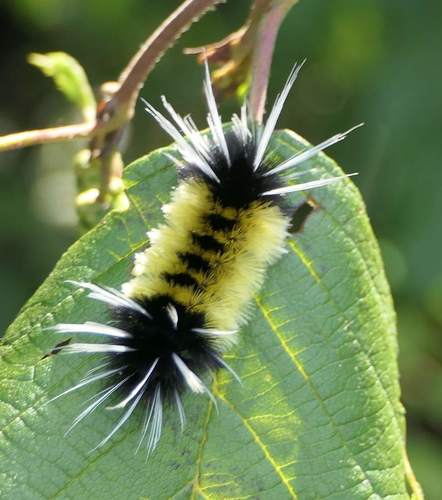
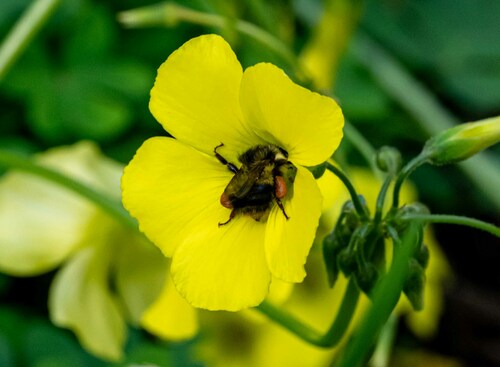
Hemlock Woolly Adelgid

Hemlock Woolly Adelgid

Adelges tsugae

Daily sighting probability <5% · Rare
at Great Bear Rainforest

In 3 days ~10% in a week ~30%

7 Verified sightings at Great Bear Rainforest From 2019 to 2026
160 In all 3 parks
June Best month
☀️ Diurnal When it's spotted

About the Hemlock Woolly Adelgid

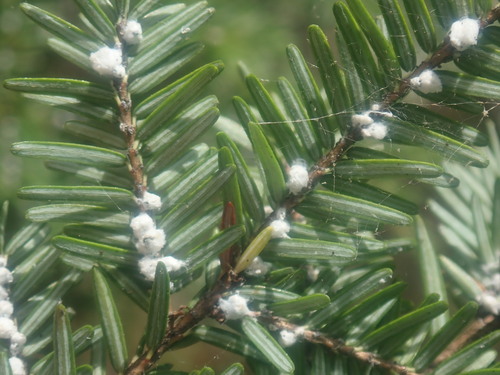
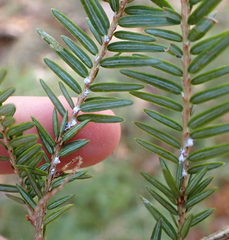
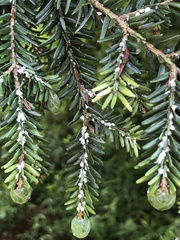
Adelges tsugae, the hemlock woolly adelgid or HWA, is an insect of the order Hemiptera (true bugs) native to East Asia. It feeds by sucking sap from hemlock and spruce trees (Tsuga spp.; Picea spp.). In its native range, HWA is not a serious pest because populations are managed by natural predators and parasitoids and by host resistance. In eastern North America it is a destructive pest that threatens the eastern hemlock (Tsuga canadensis) and the Carolina hemlock (Tsuga caroliniana). HWA is also found in western North America, where it has likely been present for thousands of years. In western North America, it primarily attacks western hemlock (Tsuga heterophylla) and has only caused minor damage due to natural predators and host resistance. Accidentally introduced to North America from Japan, HWA was first found in the eastern United States near Richmond, Virginia, in 1951. The pest is now found from northern Georgia to coastal Maine and southwestern Nova Scotia as well as areas of western Michigan near the eastern Lake Michigan shoreline. As of 2015, HWA has affected 90% of the geographic range of eastern hemlock in North America.

An adult individual body... Wikipedia →

Global Distribution

Parks Where Found

# Park Country Daily sighting probability
1 Great Smoky Mountains National Park 🇺🇸 United States
~20%
2 Shenandoah National Park 🇺🇸 United States
~10%
3 Great Bear Rainforest 🇨🇦 Canada
<5%

Cities Where Found

# City Country Daily sighting probability
1 Boston 🇺🇸 United States
~10%
2 Philadelphia 🇺🇸 United States
<5%
3 Washington 🇺🇸 United States
<5%
4 Vancouver 🇨🇦 Canada
<5%
5 Seattle 🇺🇸 United States
<5%
6 New York City 🇺🇸 United States
<5%

Before you go

What are the chances of seeing a Hemlock Woolly Adelgid in Great Bear Rainforest?

Rare

Under 5% of wildlife watchers report a Hemlock Woolly Adelgid sighting in Great Bear Rainforest on a given day, based on 7 verified sightings from GBIF citizen-science data from 2019 to 2026. It is the 159th most-seen of the 235 insects we can rate there. Over three days the chance rises to about 10%, and over a week to about 30%, if each day is a fresh chance.

When is the best time to see a Hemlock Woolly Adelgid in Great Bear Rainforest?

April and June

In those months about 10% of wildlife watchers report a Hemlock Woolly Adelgid in Great Bear Rainforest on a given day, against under 5% in May and July–March, the lowest months.

What time of day is best to see a Hemlock Woolly Adelgid?

Between noon and 3 pm

Across all the parks we cover, that three-hour window holds the most Hemlock Woolly Adelgid sightings with a recorded time, and about 9 in 10 of them come between 6 am and 6 pm: it is a daytime animal.

Is Great Bear Rainforest the best place to see a Hemlock Woolly Adelgid?

3rd of 3

Of the 3 parks where we can rate Hemlock Woolly Adelgid sightings, Great Bear Rainforest ranks 3rd at under 5%. The best odds are in Great Smoky Mountains National Park (United States, about 20%) and Shenandoah National Park (United States, about 10%).

Which relatives of the Hemlock Woolly Adelgid live in Great Bear Rainforest?

Same order: Hemiptera

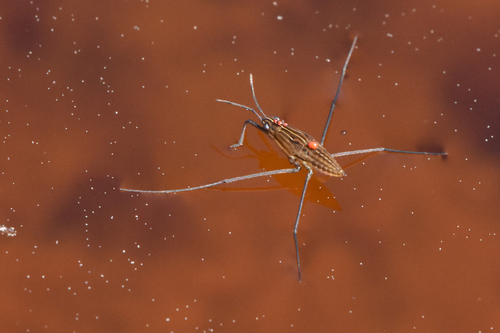
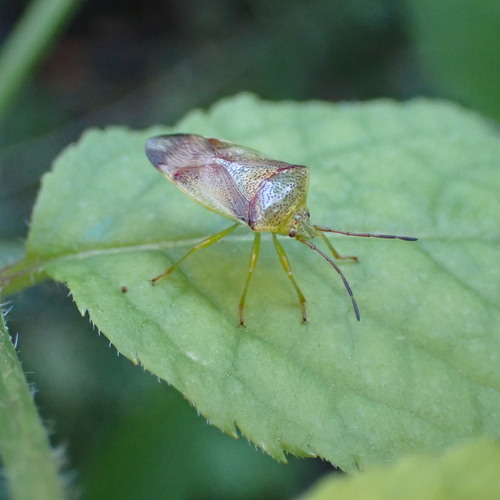
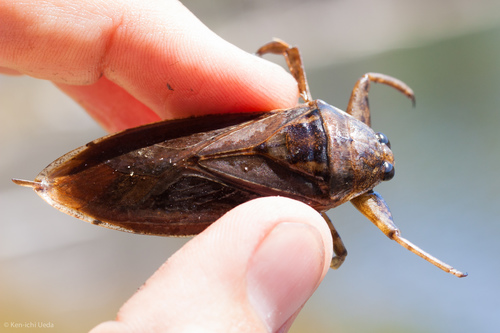
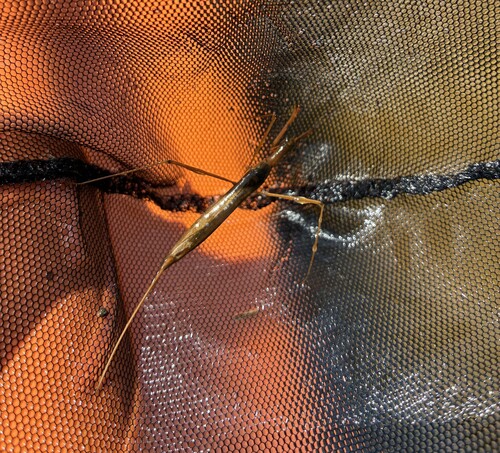
The closest relatives of the Hemlock Woolly Adelgid that you can see in Great Bear Rainforest (order Hemiptera, True Bugs, Hoppers, Aphids, and allies) are Limnoporus notabilis (about 20%), Meadow Spittlebug (about 10%) and Red-Cross Shield Bug (about 10%), with each one's daily chance of a sighting.

Where does the Hemlock Woolly Adelgid sighting chance come from?

GBIF citizen-science records

It is estimated from how often the Hemlock Woolly Adelgid is recorded against all the insects logged in Great Bear Rainforest (7 verified sightings from 2019 to 2026), calibrated against known sighting rates. Figures are rounded to the nearest 10% because citizen-science data supports honest approximations, not decimals, and months with records from fewer than five people show "—". How it works.

← Back to Great Bear Rainforest