Bardi Moth

Bardi Moth

Abantiades atripalpis

Daily sighting probability ~10% · With luck
at Great Otway National Park

In 3 days ~10% in a week ~30%

7 Verified sightings at Great Otway National Park From 2019 to 2026
7 In 1 park
April Best month
🌙 Nocturnal When it's spotted

About the Bardi Moth

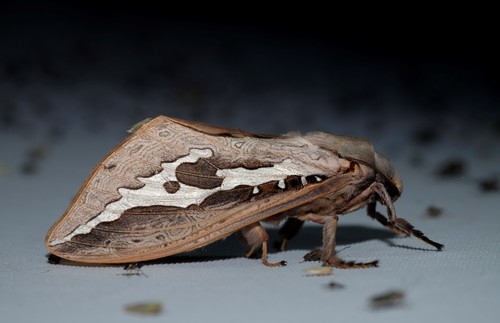
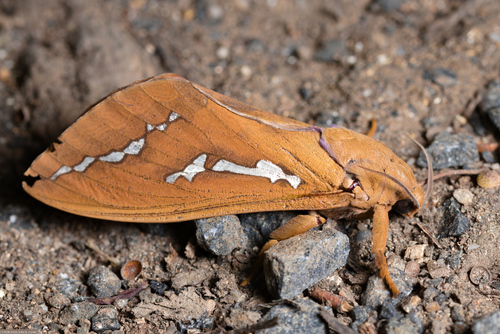
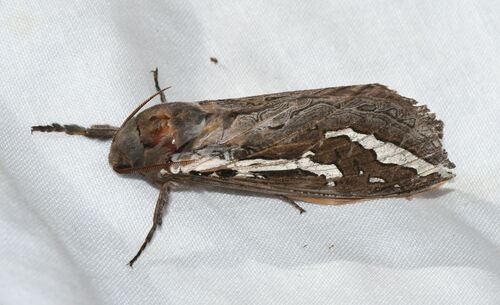
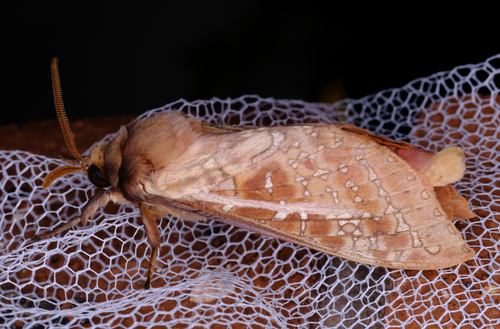
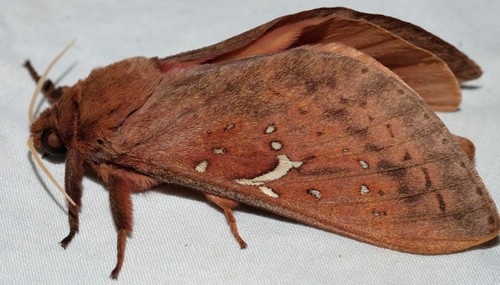
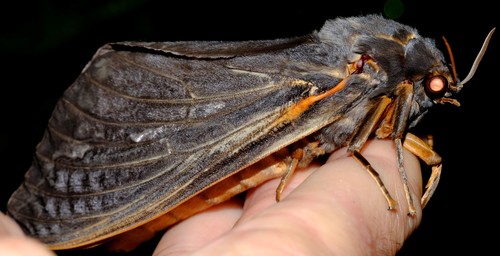
Abantiades atripalpis, previously known as Trictena atripalpis, also known as rain moth, waikerie, and bardi (and variant spellings), is a moth of the family Hepialidae. It is one of the largest moths in Australia, and is found in the whole southern half of the country. The moths provide a food source for nocturnal animals, and the larval stage grubs are used as bait in fishing.

The moth's common name, "rain moth", stems from the fact that the adult moths often emerge from their pupae before rain, during the southern hemisphere autumn, in March or April. The Aboriginal name for the moth is waikerie, and other common names are swift month, and "bardee" of "bardi" grub, although this name is used by fishers for other species of grubs as well.

Its scientific name is Abantiades atripalpis, after having been previously known as Trictena atripalpis. The larvae live in tunnels, burrowing deep after hatching. They feed on the roots of various Acacia and Eucalyptus species, especially the roots of Eucalyptus camaldulensis (red gums), as well as Casuarina pauper. They are herbivores. Their burrows widen as they grow bigger, reaching a diameter of up... Wikipedia →
Global Distribution

Parks Where Found

# Park Country Daily sighting probability
1 Great Otway National Park 🇦🇺 Australia
~10%

More parks will be added in future updates.

Cities Where Found

# City Country Daily sighting probability
1 Melbourne 🇦🇺 Australia
<5%

Before you go

What are the chances of seeing a Bardi Moth in Great Otway National Park?

With luck

About 10% of wildlife watchers report a Bardi Moth sighting in Great Otway National Park on a given day, based on 7 verified sightings from GBIF citizen-science data from 2019 to 2026. It is the 331st most-seen of the 418 insects we can rate there. Over three days the chance rises to about 10%, and over a week to about 30%, if each day is a fresh chance.

When is the best time to see a Bardi Moth in Great Otway National Park?

April

In that month about 20% of wildlife watchers report a Bardi Moth in Great Otway National Park on a given day, against under 5% in June to March, the lowest months.

What time of day is best to see a Bardi Moth?

Between 9 pm and midnight

Across all the parks we cover, that three-hour window holds the most Bardi Moth sightings with a recorded time, and about 7 in 10 of them come between 6 pm and 6 am: it is mostly seen at night.

Where else can you see a Bardi Moth?

Only Great Otway National Park, in our data

Great Otway National Park is the only park on Wallace's Line with enough records to rate Bardi Moth sightings: about 10% of wildlife watchers there report one on a given day.

Which relatives of the Bardi Moth live in Great Otway National Park?

Same genus: Abantiades

The closest relatives of the Bardi Moth that you can see in Great Otway National Park (genus Abantiades) are Labyrinthine Ghost Moth (about 10%), Mustard Ghost Moth (about 10%) and Pindi Moth (about 10%), with each one's daily chance of a sighting.

Where does the Bardi Moth sighting chance come from?

GBIF citizen-science records

It is estimated from how often the Bardi Moth is recorded against all the insects logged in Great Otway National Park (7 verified sightings from 2019 to 2026), calibrated against known sighting rates. Figures are rounded to the nearest 10% because citizen-science data supports honest approximations, not decimals, and months with records from fewer than five people show "—". How it works.

← Back to Great Otway National Park