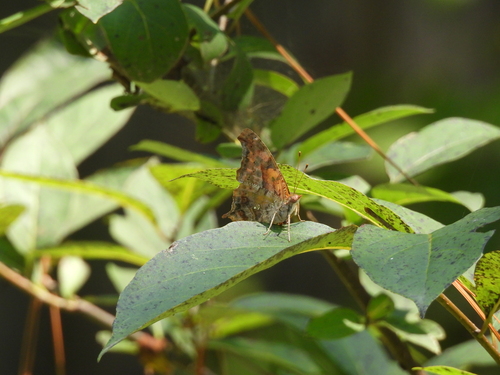
Baltimore Checkerspot

Baltimore Checkerspot

Euphydryas phaeton

Daily sighting probability <5% · Rare
at Great Smoky Mountains National Park

In 3 days ~10% in a week ~20%

9 Verified sightings at Great Smoky Mountains National Park From 2019 to 2026
9 In 1 park
April Best month
☀️ Diurnal When it's spotted

About the Baltimore Checkerspot

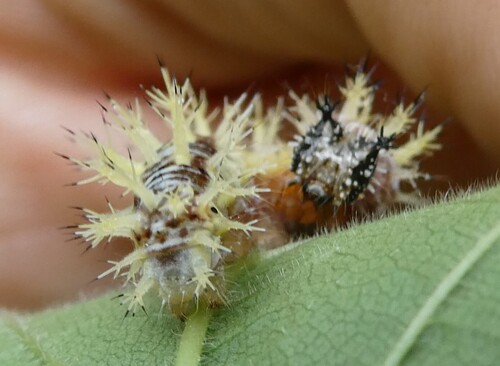
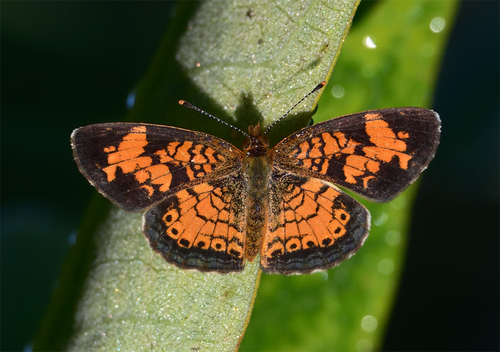
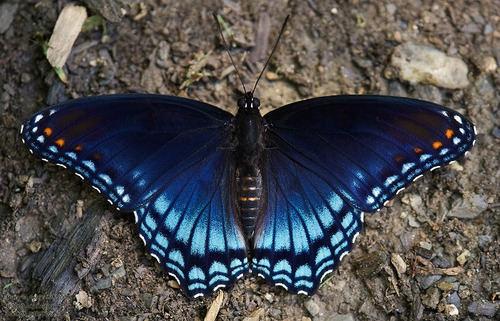
The Baltimore checkerspot (Euphydryas phaeton) is a North American butterfly of the family Nymphalidae. It is distributed from Canada and the Great Lakes, across the Northeastern United States, and south in the Appalachians. It requires scarce early successional wet meadow habitat. In Maryland, where its association with Lord Baltimore's colors led to recognition as the state insect in 1973, it has declined to the point of being listed as an endangered species.

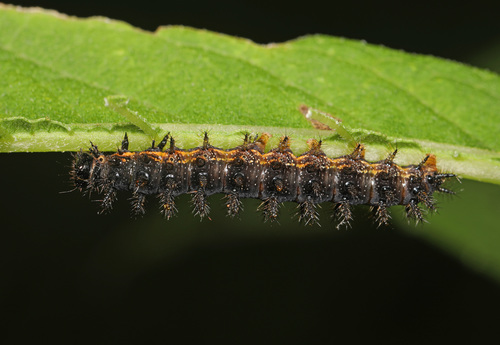
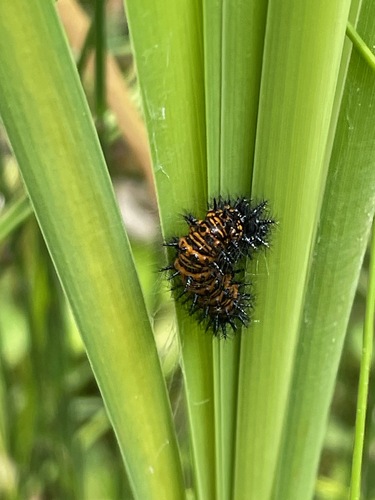
During its period of growth, the checkerspot butterfly will search for a host plant for nourishment. Its native larval host is the white turtle head (Chelone glabra), but it has also to some extent made use of the introduced lawn weed English plantain (Plantago lanceolata) and other plants.

Unlike most butterflies and moths, which overwinter as eggs, pupae, or sometimes adults, the Baltimore checkerspot overwinters as larvae. In late summer (sometime in July through September depending on latitude, weather, and other factors) the larvae spin a pre-hibernation web on a plant, stop feeding, and remain in the web. Several months later they leave this web and enter the litter (dead grass and leaves and so on... Wikipedia →
Global Distribution

Parks Where Found

# Park Country Daily sighting probability
1 Great Smoky Mountains National Park 🇺🇸 United States
<5%

More parks will be added in future updates.

Cities Where Found

# City Country Daily sighting probability
1 Toronto 🇨🇦 Canada
<5%

Before you go

What are the chances of seeing a Baltimore Checkerspot in Great Smoky Mountains National Park?

Rare

Under 5% of wildlife watchers report a Baltimore Checkerspot sighting in Great Smoky Mountains National Park on a given day, based on 9 verified sightings from GBIF citizen-science data from 2019 to 2026. It is the 821st most-seen of the 822 insects we can rate there. Over three days the chance rises to about 10%, and over a week to about 20%, if each day is a fresh chance.

When is the best time to see a Baltimore Checkerspot in Great Smoky Mountains National Park?

April

In that month about 10% of wildlife watchers report a Baltimore Checkerspot in Great Smoky Mountains National Park on a given day, against under 5% in May to March, the lowest months.

What time of day is best to see a Baltimore Checkerspot?

Between 1 and 4 pm

Across all the parks we cover, that three-hour window holds the most Baltimore Checkerspot sightings with a recorded time, and about 8 in 10 of them come between 6 am and 6 pm: it is a daytime animal.

Where else can you see a Baltimore Checkerspot?

Only Great Smoky Mountains National Park, in our data

Great Smoky Mountains National Park is the only park on Wallace's Line with enough records to rate Baltimore Checkerspot sightings: under 5% of wildlife watchers there report one on a given day.

Which relatives of the Baltimore Checkerspot live in Great Smoky Mountains National Park?

Same family: Nymphalidae

The closest relatives of the Baltimore Checkerspot that you can see in Great Smoky Mountains National Park (family Nymphalidae, Brush-footed Butterflies) are Limenitis astyanax (about 30%), Great Spangled Fritillary (about 30%) and Eastern Comma (about 30%), with each one's daily chance of a sighting.

Where does the Baltimore Checkerspot sighting chance come from?

GBIF citizen-science records

It is estimated from how often the Baltimore Checkerspot is recorded against all the insects logged in Great Smoky Mountains National Park (9 verified sightings from 2019 to 2026), calibrated against known sighting rates. Figures are rounded to the nearest 10% because citizen-science data supports honest approximations, not decimals, and months with records from fewer than five people show "—". How it works.

← Back to Great Smoky Mountains National Park