

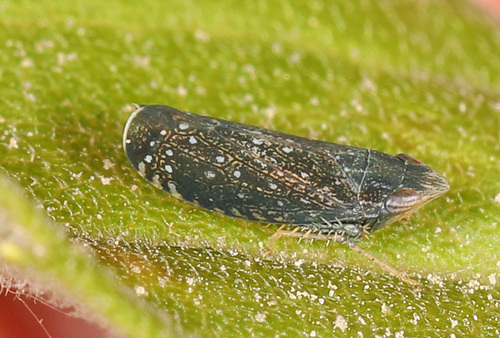
Potato Leafhopper

Potato Leafhopper

Empoasca fabae

Daily sighting probability <5% · Rare
at Great Smoky Mountains National Park

In 3 days ~10% in a week ~30%

12 Verified sightings at Great Smoky Mountains National Park From 2019 to 2026
12 In 1 park
July Best month
🌙 Nocturnal When it's spotted

About the Potato Leafhopper

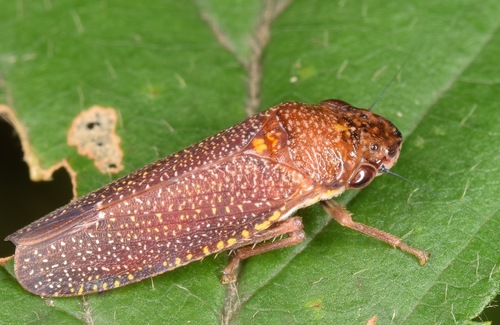
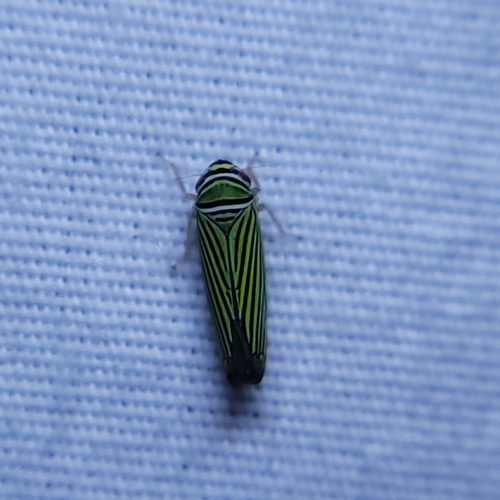
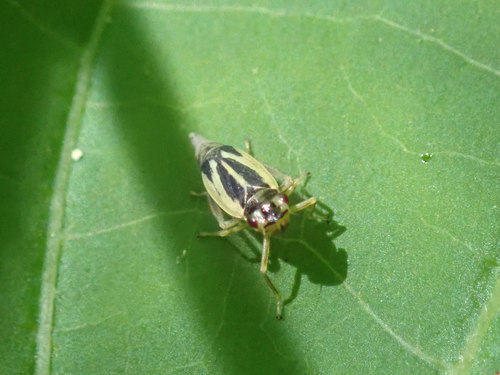
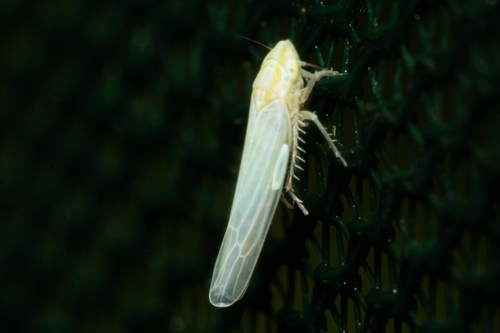
Potato leafhopper (Empoasca fabae) belongs to family Cicadellidae and genus Empoasca within order Hemiptera. In North America they are a serious agricultural pest. Every year millions of dollars are lost from reduced crop yields and on pest management. Crops that are impacted the most are potatoes, clover, beans, apples and alfalfa.

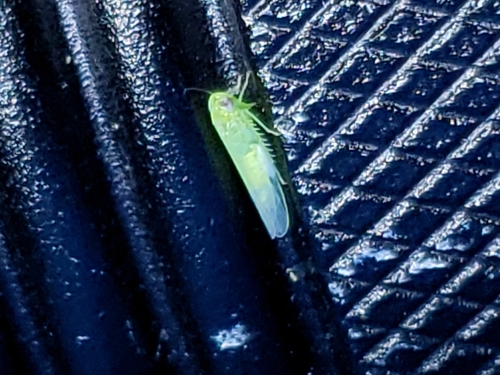
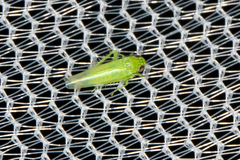
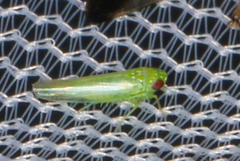
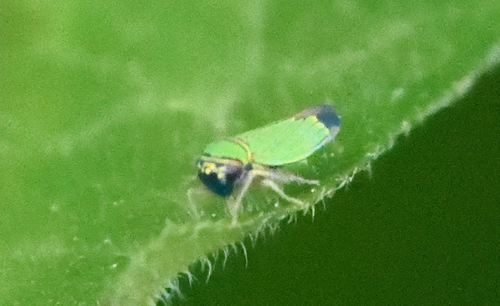
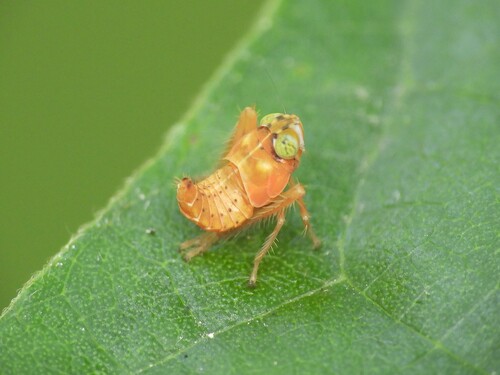
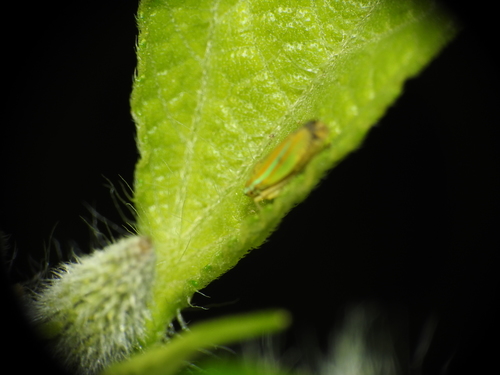
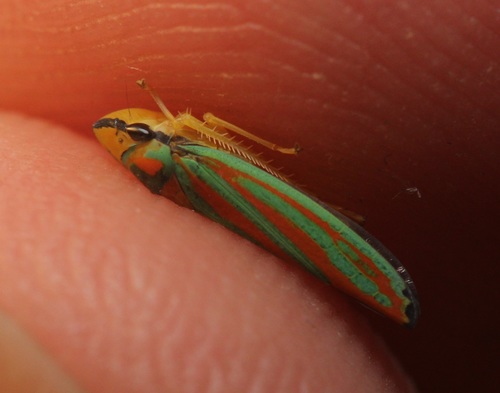
Adults have pale to iridescent green bodies with 6 or 8 white spots on their pronotum. They have a distinctive white H shape mark between their head and wing base. Their bodies are approximately 3 mm long and have on their front wings near its tip a crossvein. Adults and nymphs move by hopping among host plants. However, only adults can fly.

They are able to feed and reproduce on at least 200 different plant species across twenty-six families. In total herb genera represent 64% of their hosts. Adults prefer to feed on the leaves and stems, while the nymphs prefer the leaves. Their specialized mouth parts are able to pierce into the plant tissue and remove its sap. The ability to inhabit a wide range of hosts is due to the variation in their feeding behaviors.

Empoasca fabae is a seasonal migration species. If... Wikipedia →

Global Distribution

Parks Where Found

# Park Country Daily sighting probability
1 Great Smoky Mountains National Park 🇺🇸 United States
<5%

More parks will be added in future updates.

Cities Where Found

# City Country Daily sighting probability
1 Baltimore 🇺🇸 United States
<5%
2 Washington 🇺🇸 United States
<5%
3 Dallas 🇺🇸 United States
<5%
4 Austin 🇺🇸 United States
<5%
5 Boston 🇺🇸 United States
<5%
6 Houston 🇺🇸 United States
<5%
7 New York City 🇺🇸 United States
<5%
8 Montreal 🇨🇦 Canada
<5%

Before you go

What are the chances of seeing a Potato Leafhopper in Great Smoky Mountains National Park?

Rare

Under 5% of wildlife watchers report a Potato Leafhopper sighting in Great Smoky Mountains National Park on a given day, based on 12 verified sightings from GBIF citizen-science data from 2019 to 2026. It is the 441st most-seen of the 822 insects we can rate there. Over three days the chance rises to about 10%, and over a week to about 30%, if each day is a fresh chance.

When is the best time to see a Potato Leafhopper in Great Smoky Mountains National Park?

June and July

In those months about 10% of wildlife watchers report a Potato Leafhopper in Great Smoky Mountains National Park on a given day, against under 5% in August to May, the lowest months.

What time of day is best to see a Potato Leafhopper?

Between 8 and 11 pm

Across all the parks we cover, that three-hour window holds the most Potato Leafhopper sightings with a recorded time, and nearly all of them come between 6 pm and 6 am: it is mostly seen at night.

Where else can you see a Potato Leafhopper?

Only Great Smoky Mountains National Park, in our data

Great Smoky Mountains National Park is the only park on Wallace's Line with enough records to rate Potato Leafhopper sightings: under 5% of wildlife watchers there report one on a given day.

Which relatives of the Potato Leafhopper live in Great Smoky Mountains National Park?

Same family: Cicadellidae

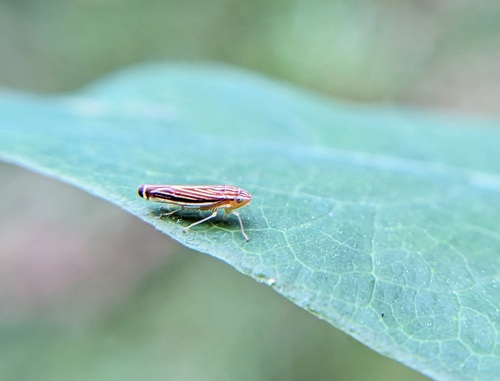
The closest relatives of the Potato Leafhopper that you can see in Great Smoky Mountains National Park (family Cicadellidae, Typical Leafhoppers) are Yellow-Striped Leafhopper (about 20%), Tylozygus geometricus (about 10%) and Coppery Leafhopper (about 10%), with each one's daily chance of a sighting.

Where does the Potato Leafhopper sighting chance come from?

GBIF citizen-science records

It is estimated from how often the Potato Leafhopper is recorded against all the insects logged in Great Smoky Mountains National Park (12 verified sightings from 2019 to 2026), calibrated against known sighting rates. Figures are rounded to the nearest 10% because citizen-science data supports honest approximations, not decimals, and months with records from fewer than five people show "—". How it works.

← Back to Great Smoky Mountains National Park