Smokies Synchronous Firefly

Smokies Synchronous Firefly

Photinus carolinus

Daily sighting probability <5% · Rare
at Great Smoky Mountains National Park

In 3 days ~10% in a week ~30%

16 Verified sightings at Great Smoky Mountains National Park From 2019 to 2026
16 In 1 park
June Best month
🌙 Nocturnal When it's spotted

About the Smokies Synchronous Firefly

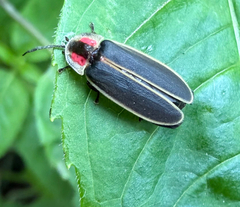
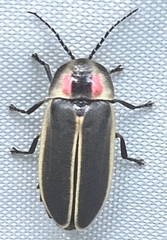
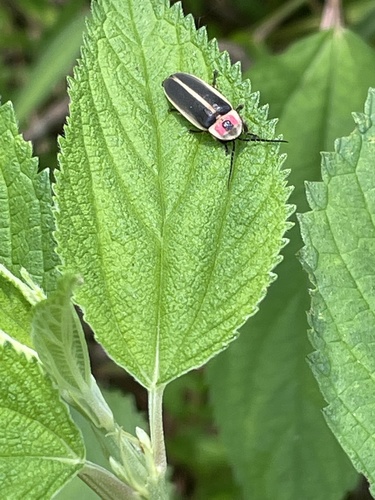
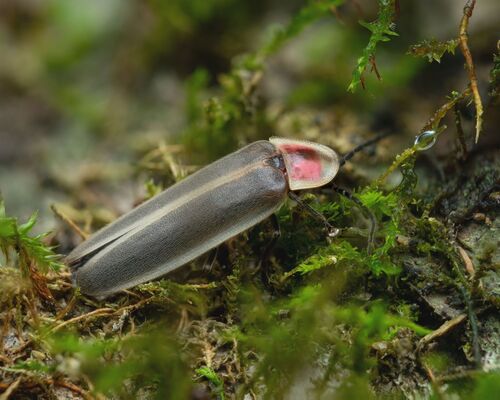
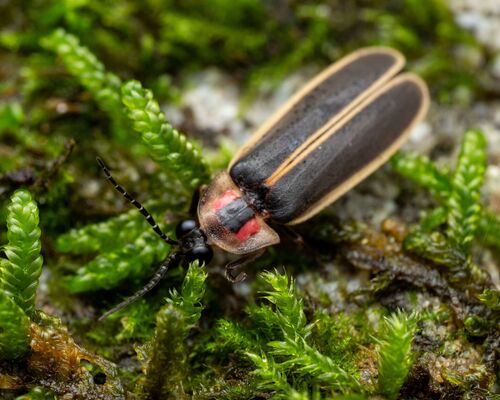
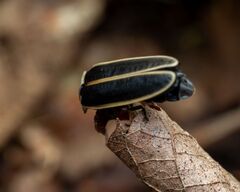
Photinus carolinus, commonly known as the Smokies synchronous firefly, is a species of rover firefly whose mating displays of synchronous flashing have fascinated both scientists and tourists. As individual females synchronize with males nearby, waves of alternating bright light and darkness seem to travel across the landscape. Firefly displays typically occur in early June near Elkmont, Tennessee, in the Great Smoky Mountains National Park, near Gatlinburg. The species can be found in isolated pockets of the Appalachian Mountains in the eastern United States.

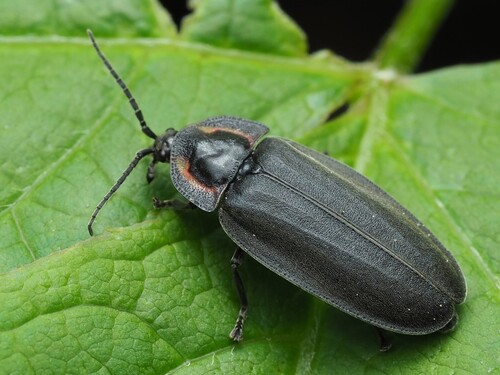
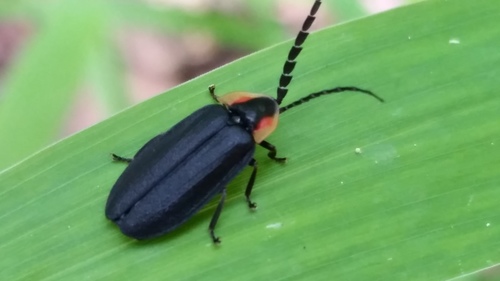
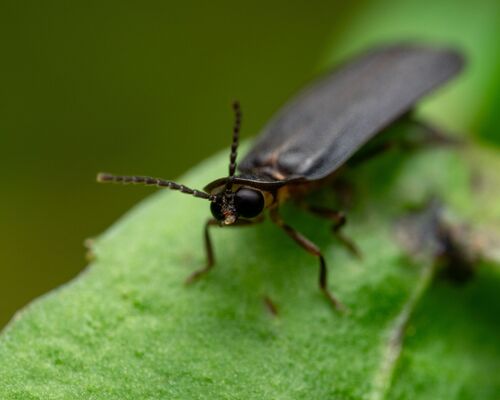
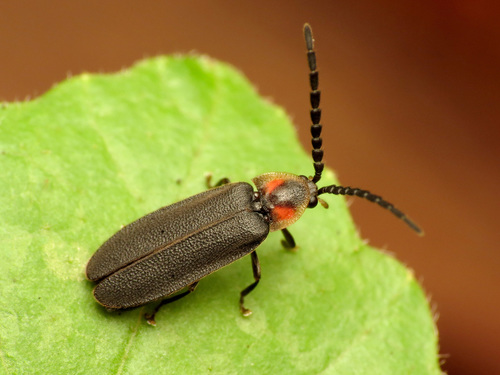
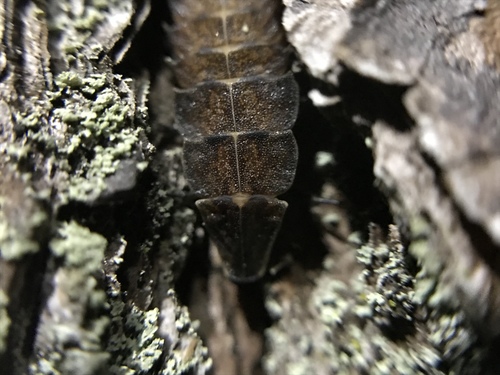
P. carolinus is a medium-sized beetle, with adults measuring 11–15 mm (0.4–0.6 in) long. The adults have dark wing covers, or elytra, with light-colored side margins, and a pale yellow head shield, or pronotum, with a dark rectangular mark in the center and very thin black edging on the sides. Males have pale lanterns on segments 6 and 7 of their abdomen, and females have one lantern on segment 6. The rest of the abdomen is uniformly dark.

The specific epithet refers to North Carolina, where the species was originally found. Beetles such as P. carolinus go through four life stages... Wikipedia →
Global Distribution

Parks Where Found

# Park Country Daily sighting probability
1 Great Smoky Mountains National Park 🇺🇸 United States
<5%

More parks will be added in future updates.

Before you go

What are the chances of seeing a Smokies Synchronous Firefly in Great Smoky Mountains National Park?

Rare

Under 5% of wildlife watchers report a Smokies Synchronous Firefly sighting in Great Smoky Mountains National Park on a given day, based on 16 verified sightings from GBIF citizen-science data from 2019 to 2026. It is the 441st most-seen of the 822 insects we can rate there. Over three days the chance rises to about 10%, and over a week to about 30%, if each day is a fresh chance.

When is the best time to see a Smokies Synchronous Firefly in Great Smoky Mountains National Park?

May and June

In those months about 10% of wildlife watchers report a Smokies Synchronous Firefly in Great Smoky Mountains National Park on a given day, against under 5% in July to April, the lowest months.

What time of day is best to see a Smokies Synchronous Firefly?

Between 9 pm and midnight

Across all the parks we cover, that three-hour window holds the most Smokies Synchronous Firefly sightings with a recorded time, and about 9 in 10 of them come between 6 pm and 6 am: it is mostly seen at night.

Where else can you see a Smokies Synchronous Firefly?

Only Great Smoky Mountains National Park, in our data

Great Smoky Mountains National Park is the only park on Wallace's Line with enough records to rate Smokies Synchronous Firefly sightings: under 5% of wildlife watchers there report one on a given day.

Which relatives of the Smokies Synchronous Firefly live in Great Smoky Mountains National Park?

Same genus: Photinus

The closest relatives of the Smokies Synchronous Firefly that you can see in Great Smoky Mountains National Park (genus Photinus, Rover Fireflies) are Winter Firefly (about 10%), Common Eastern Firefly (about 10%) and Little Gray Firefly (about 10%), with each one's daily chance of a sighting.

Where does the Smokies Synchronous Firefly sighting chance come from?

GBIF citizen-science records

It is estimated from how often the Smokies Synchronous Firefly is recorded against all the insects logged in Great Smoky Mountains National Park (16 verified sightings from 2019 to 2026), calibrated against known sighting rates. Figures are rounded to the nearest 10% because citizen-science data supports honest approximations, not decimals, and months with records from fewer than five people show "—". How it works.

← Back to Great Smoky Mountains National Park