Horton Plains National Park
🇱🇰 Sri Lanka
Indian Subcontinent, Sri Lanka 631 spp. recorded
Horton Plains National Park sits on a mist‑shrouded plateau in central Sri Lanka, a tropical rainforest that blends cloud‑covered forest with high‑altitude grassland. The park’s network of narrow tracks weaves through moss‑laden trees, bamboo thickets and open scrub, offering a glimpse of the island’s upland ecosystem.
6.802° N 80.798° E
🦜 Nature

198 Species sighted
14,275 Verified sightings From 2019 to 2026
Feb Best month
⭐ Iconic Species




📊 Most Spotted







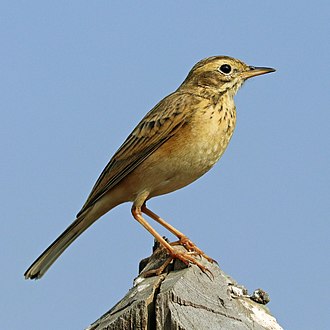


📊 Most Spotted


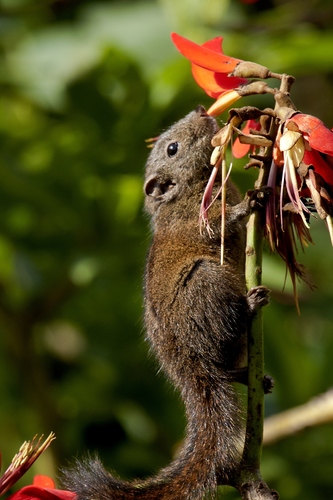


⭐ Iconic Species
📊 Most Spotted
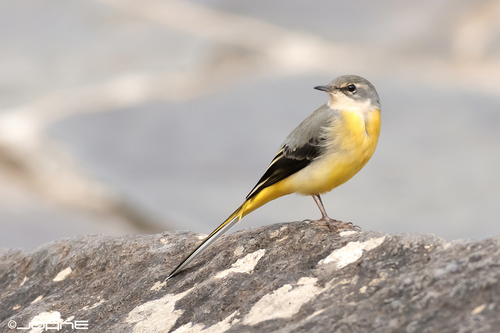


⭐ Iconic Species
📊 Most Spotted


📊 Most Spotted


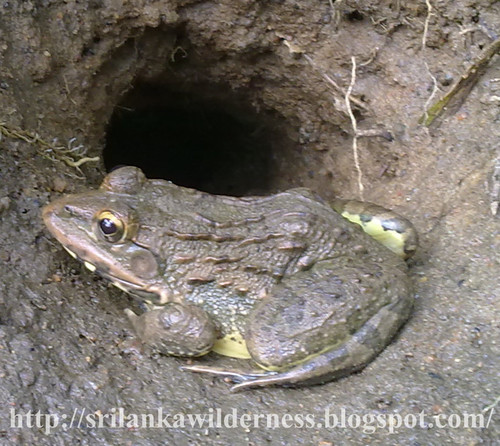


📊 Most Spotted
⭐ Iconic Species
🌙 Most active after dark


+ 511 more species with insufficient data
Recent sightings in Horton Plains National Park
LIVEiNaturalistSighting Calendar
How many species you'd see in a day
30Jan
35Feb
29Mar
27Apr
26May
25Jun
25Jul
27Aug
24Sep
31Oct
32Nov
28Dec
Sighting Zones
Warmer areas are where all species together are recorded most often.
-
World's End loop trail
Daily sight. prob.vs avg -
Horton Plains Ohiya Ticket Counter
Daily sight. prob.vs avg -
North park edge


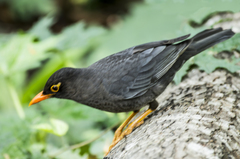
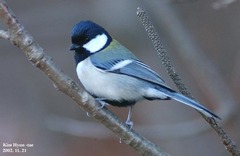

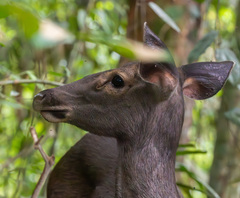


🏕️ Experience
Essentials
Climate
Temp °C Rain mm
JanFebMarAprMayJunJulAugSepOctNovDec
0.0 Good
Wallace's Line Score
How good is this park for seeing wildlife? 🦜
Biodiversity
Very goodHow rich is the wildlife?
4.2
Species by taxon
🦅 Birds 377
🐒 Mammals 99
🦎 Reptiles 110
🐸 Amphibians 45
631 Total Species
828 Global average across 316 parks
98 Threatened 3 Endemic
🔭
Sighting
Very goodHow likely to see animals?
3.3
🎯
Top-12 Avg Probability
77% 📊
Coverage (97 species at ≥5% of 631 in the inventory)
15% 🔀
Taxon variety in top 12 (9 bird, 2 reptile, 1 mammal)
54% 🔭
Species per 10 outings (distinct species a visitor would meet over 10 outings — effort held equal across parks)
69 🌟
Iconic-group species (≥15%) (every species from the 19 iconic groups — monkeys, cats, toucans, macaws, sloths, crocodilians… — not just the 4 highlighted above)
7 ⭐
High-prob species (>40%)
31 🏕️
Experience
Very goodHow easy and pleasant is the visit?
3.5
Climate Harsh Low
Entrance Paid Low
Tourism Medium Medium
Trails Moderate Medium
World Heritage Yes Bonus
What visitors say
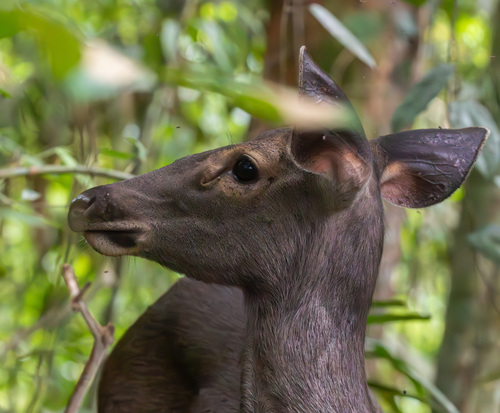
After paying and chatting to the person manning the ticket office we drove towards the car park We saw some Sambar Deer in the distance as we enjoyed this spectacular landscape.
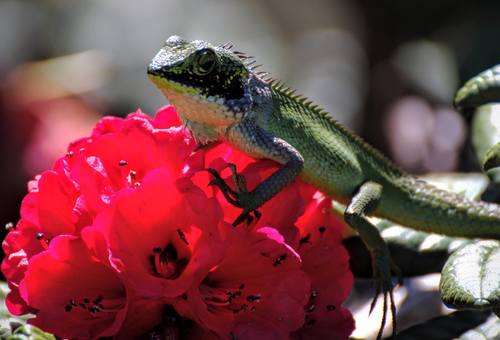
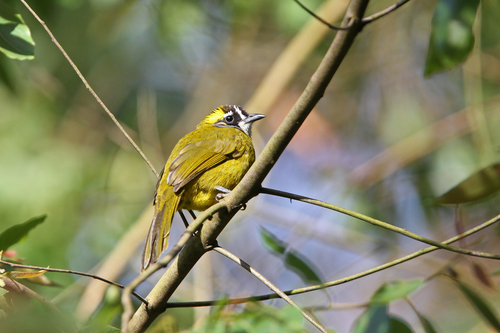
These included the Sri Lanka purple-faced langur, Rhinohorn lizard, Sri Lanka dull blue flycatcher, Sri Lanka yellow-eared bulbul and some of us were even lucky enough to spot the Sri Lanka whistling thrush among many other wonderful sightings.
We drove past a pair of Sri Lanka Junglefowl and we saw single Red-wattled Lapwing. the colourful Tricoloured Munia - Tony Moore Some very impressive Sambhur Deer were strutting around on the plains and by the roadside, the males had huge antlers and people were getting too close to them if you ask me.
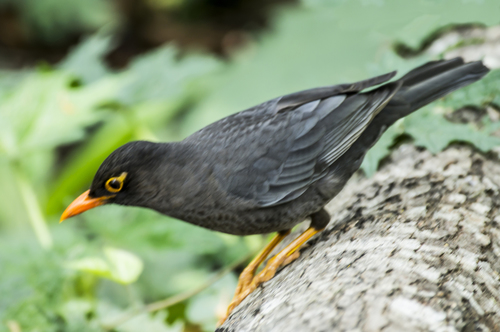
To me, the star bird – and the one I only saw here – is the Sri Lanka Whistling Thrush.
Before you go
What animals can you see in Horton Plains National Park?
631 species
Horton Plains National Park has 631 recorded vertebrate species. The ones wildlife watchers report most often on a given day are Sri Lanka White-eye (about 90%), Pied Bushchat (about 90%), Black-cheek lizard (about 90%), Yellow-eared Bulbul (about 90%) and Hill Swallow (about 80%). Among mammals, the most-seen is Sambar (about 70%); among amphibians, Saddled Tree frog (about 30%).
When is the best time to visit Horton Plains National Park for wildlife?
January–April, August and October–November
In those months the park's 12 most-seen species average about 80% on a given day, against about 60% in June.
Can you see a Sri Lanka White-eye in Horton Plains National Park?
Yes
About 90% of wildlife watchers report a Sri Lanka White-eye sighting in Horton Plains National Park on a given day, based on 686 verified sightings from GBIF citizen-science data from 2019 to 2026. The best time is August–September and November–December (over 90%).
Can you see a Black-cheek lizard in Horton Plains National Park?
Yes
About 90% of wildlife watchers report a Black-cheek lizard sighting in Horton Plains National Park on a given day, based on 83 verified sightings from GBIF citizen-science data from 2019 to 2026. The best time is February, April and July–August (about 90%).
Can you see a Sri Lanka Junglefowl in Horton Plains National Park?
Yes
About 60% of wildlife watchers report a Sri Lanka Junglefowl sighting in Horton Plains National Park on a given day, based on 366 verified sightings from GBIF citizen-science data from 2019 to 2026. The best time is May, September–October and December (about 70%).
Where in Horton Plains National Park is wildlife easiest to see?
Around World's End loop trail
The richest sighting zone is around World's End loop trail, followed by Horton Plains Ohiya Ticket Counter and North park edge, ranked by how many of the park's headline animals visitors can expect to see in each. See the zones on the map.
Is Horton Plains National Park good for wildlife watching?
3.5 out of 5
On the Wallace's Line Score, Horton Plains National Park rates 3.5/5: 197th of 316 parks worldwide and 24th in Asia. 34 of its species are reported by about 40% or more of wildlife watchers on a given day.


