Hispaniolan Woodpecker

Hispaniolan Woodpecker

Melanerpes striatus

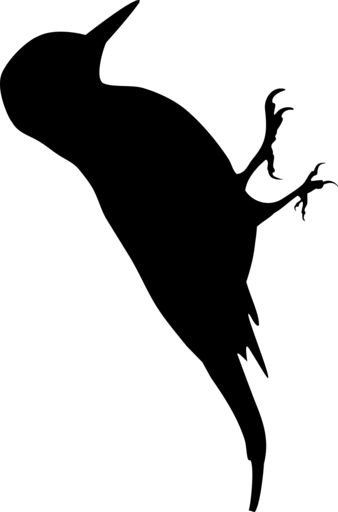
Silhouette: Jason Dilworth · PhyloPic

LCLeast ConcernNTVUENCR
Daily sighting probability ~50% · Likely
at Jaragua National Park

In 3 days ~90% in a week >90%

92 Verified sightings at Jaragua National Park From 2019 to 2026
683 In all 2 parks
October Best month
☀️ Diurnal When it's spotted

About the Hispaniolan Woodpecker

The Hispaniolan woodpecker (Melanerpes striatus) is a medium-sized woodpecker endemic to the Caribbean island of Hispaniola (split between the Dominican Republic and Haiti). The Hispaniolan woodpecker is a gold and black barred bird growing to a length of from 22 to 28 cm (8.7 to 11.0 in). The adult male has a red crown and nape and is larger than the female, with a longer beak. The upper neck is striped black and white and the back and wings are boldly striped in black and gold. The rump is greenish-yellow, with some red on the feather tips, and the upper side of the tail is black with red upper-tail coverts. The underside of the wings is greyish-brown with pale spotting and barring, and the underside of the tail is grey or olive. The fore-crown is grey or buff, the face and throat are grey and the underparts are buff, brown or olive, with some dark streaking on the flanks. The iris is yellow, the beak is long, slender, and grey, and the legs are grey. The adult female is similar to the male but has a black crown and red nape. The juvenile has a black crown with white and red spotting, an orange nape, and dark iris.

This woodpecker is quite vocal, emitting a range... Wikipedia →

Sounds

Call0:20

Dominican Republic · 2023

© Barry Edmonston · XC794222 · CC BY-NC-SA 4.0

Song0:11

Dominican Republic · 2015

© Albert Lastukhin & Max Lastukhin · XC213173 · CC BY-NC-SA 4.0

Call0:28

Dominican Republic · 2022

© Bobby Wilcox · XC714296 · CC BY-NC-SA 4.0

Global Distribution

Parks Where Found

# Park Country Daily sighting probability
1 Los Haitises National Park 🇩🇴 Dominican Republic
~80%
2 Jaragua National Park 🇩🇴 Dominican Republic
~50%

Cities Where Found

# City Country Daily sighting probability
1 Santo Domingo 🇩🇴 Dominican Republic
~90%

Before you go

What are the chances of seeing a Hispaniolan Woodpecker in Jaragua National Park?

Likely

About 50% of wildlife watchers report a Hispaniolan Woodpecker sighting in Jaragua National Park on a given day, based on 92 verified sightings from GBIF citizen-science data from 2019 to 2026. It is the most-seen of the 92 birds we can rate there. Over three days the chance rises to about 90%, and over a week to over 90%, if each day is a fresh chance.

When is the best time to see a Hispaniolan Woodpecker in Jaragua National Park?

October

In that month about 70% of wildlife watchers report a Hispaniolan Woodpecker in Jaragua National Park on a given day, against about 40% in January and March, the lowest months. That is one of Jaragua National Park's wettest months, with about 120 mm of rain against 20 mm in January. June to September have too few records to rate.

What time of day is best to see a Hispaniolan Woodpecker?

Between 8 and 11 am

Across all the parks we cover, that three-hour window holds the most Hispaniolan Woodpecker sightings with a recorded time, and about 9 in 10 of them come between 6 am and 6 pm: it is a daytime animal.

Is Jaragua National Park the best place to see a Hispaniolan Woodpecker?

2nd of 2

Of the 2 parks where we can rate Hispaniolan Woodpecker sightings, Jaragua National Park ranks 2nd at about 50%. The best odds are in Los Haitises National Park (Dominican Republic, about 80%).

Where does the Hispaniolan Woodpecker sighting chance come from?

GBIF citizen-science records

It is estimated from how often the Hispaniolan Woodpecker is recorded against all the birds logged in Jaragua National Park (92 verified sightings from 2019 to 2026), calibrated against known sighting rates. Figures are rounded to the nearest 10% because citizen-science data supports honest approximations, not decimals, and months with records from fewer than five people show "—". How it works.

← Back to Jaragua National Park