Jaragua National Park
🇩🇴 Dominican Republic
Southwest Coast, Dominican Republic 438 spp. recorded
Jaragua National Park lies on the southwest coast of the Dominican Republic, protecting a mosaic of tropical dry forest, mangrove fringes and shallow lagoons. The landscape opens onto sandy bays and limestone cliffs, and it is noted for the endemic rhinoceros iguana that basks on rocky outcrops.
17.628° N 71.572° W
🦜 Nature

186 Species sighted
3,419 Verified sightings From 2019 to 2026
May Best month
⭐ Iconic Species


📊 Most Spotted






⭐ Iconic Species
📊 Most Spotted


⭐ Iconic Species
📊 Most Spotted
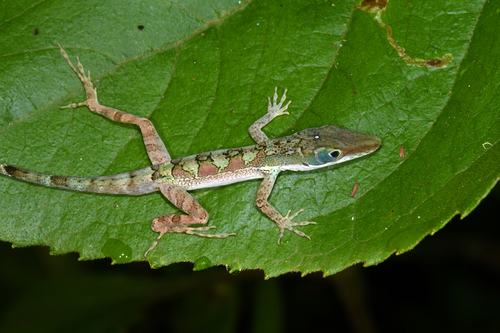
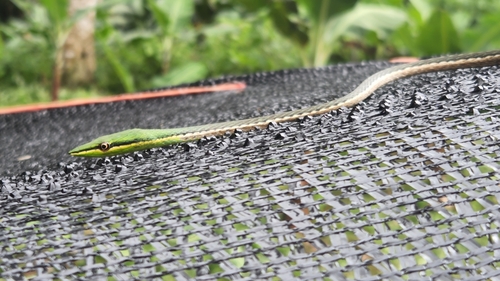

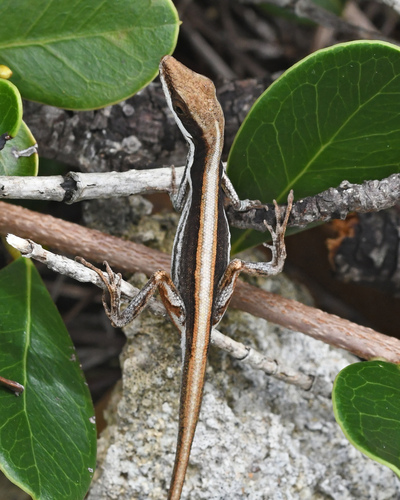
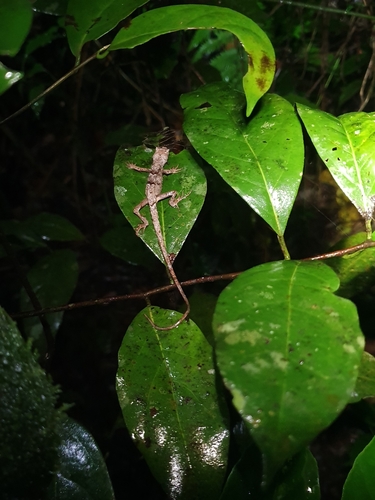


📊 Most Spotted
+ 320 more species with insufficient data
Recent sightings in Jaragua National Park
LIVEiNaturalistSighting Calendar
How many species you'd see in a day
19Jan
22Feb
24Mar
20Apr
26May
12Jun
8.4Jul
6.1Aug
6.5Sep
22Oct
26Nov
22Dec
Sighting Zones
Warmer areas are where all species together are recorded most often.
-
Cabo Rojo · Pedernales
-
Cabo Rojo · end of the road
-
Ephemeral pond · Highway 44 north of Cabo Rojo
Daily sight. prob.vs avg


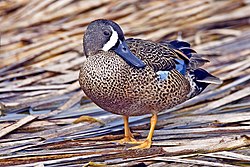


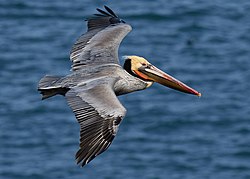


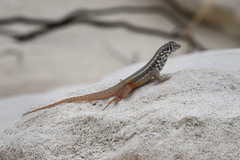
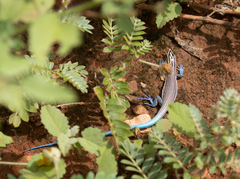
🏕️ Experience
Essentials
Entrance
Paid
Tourism
Low
Typical stay
1–2
daysTrails
Easy
World Heritage
No
Climate
Temp °C Rain mm
JanFebMarAprMayJunJulAugSepOctNovDec
0.0 Moderate
Wallace's Line Score
How good is this park for seeing wildlife? 🦜
Biodiversity
GoodHow rich is the wildlife?
3.5
Species by taxon
🦅 Birds 288
🐒 Mammals 50
🦎 Reptiles 84
🐸 Amphibians 16
438 Total Species
828 Global average across 316 parks
70 Threatened 142 Endemic
🔭
Sighting
GoodHow likely to see animals?
2.3
🎯
Top-12 Avg Probability
50% 📊
Coverage (136 species at ≥5% of 438 in the inventory)
31% 🔀
Taxon variety in top 12 (7 bird, 5 reptile)
65% 🔭
Species per 10 outings (distinct species a visitor would meet over 10 outings — effort held equal across parks)
81 🌟
Iconic-group species (≥15%) (every species from the 19 iconic groups — monkeys, cats, toucans, macaws, sloths, crocodilians… — not just the 4 highlighted above)
1 ⭐
High-prob species (>40%)
10 🏕️
Experience
ExcellentHow easy and pleasant is the visit?
4.8
Climate Pleasant High
Entrance Paid Low
Tourism Low High
Trails Easy High
World Heritage No —
What visitors say
That did not stop the generous GJ staff from providing a wonderful, home-cooked lunch of eggplant stew, rice and pigeon peas, guavaberry juice, and the largest avocados I’d ever seen.
We stopped at some amazing beaches, visited the Laguna de Oviedo and drove through the Jaragua National Park.
By embracing sustainable tourism practices, we can help protect Jaragua National Park for future generations.
Before you go
What animals can you see in Jaragua National Park?
438 species
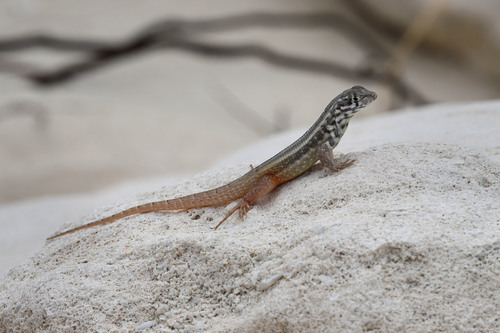
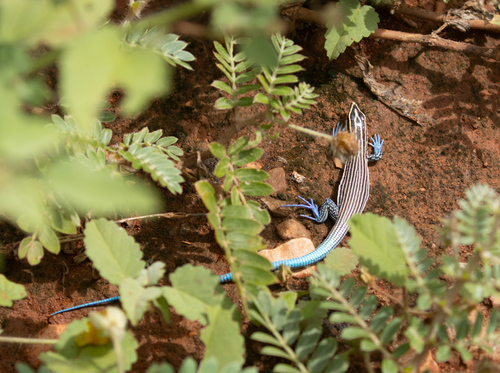
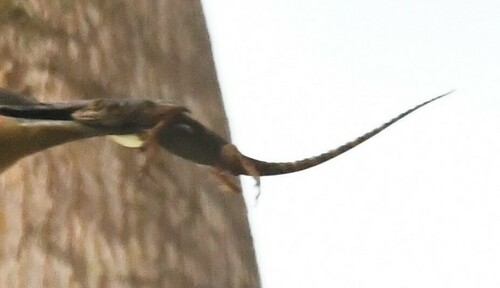
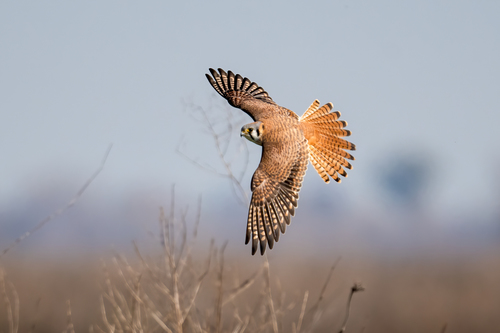
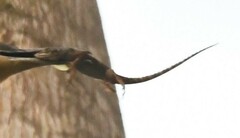
Jaragua National Park has 438 recorded vertebrate species. The ones wildlife watchers report most often on a given day are Barahona Curlytail Lizard (about 80%), Rhinoceros Iguana (about 70%), Hispaniolan Woodpecker (about 50%), Great Egret (about 50%) and Royal Tern (about 50%). Among mammals, the most-seen is Haitian Solenodon (about 20%); among amphibians, Barahona Rock Frog (about 20%).
When is the best time to visit Jaragua National Park for wildlife?
March and October–December
In those months the park's 12 most-seen species average about 50% on a given day, against about 40% in January–February and April–May.
Can you see a Rhinoceros Iguana in Jaragua National Park?
Yes
About 70% of wildlife watchers report a Rhinoceros Iguana sighting in Jaragua National Park on a given day, based on 68 verified sightings from GBIF citizen-science data from 2019 to 2026. The best time is August–September and November–February (about 80%).
Can you see an American Flamingo in Jaragua National Park?
Yes
About 50% of wildlife watchers report an American Flamingo sighting in Jaragua National Park on a given day, based on 105 verified sightings from GBIF citizen-science data from 2019 to 2026. The best time is October (about 70%).
Can you see a Haitian Solenodon in Jaragua National Park?
Yes
About 20% of wildlife watchers report a Haitian Solenodon sighting in Jaragua National Park on a given day, based on 9 verified sightings from GBIF citizen-science data from 2019 to 2026. The best time is February (about 50%).
Where in Jaragua National Park is wildlife easiest to see?
Around Cabo Rojo · Pedernales
The richest sighting zone is around Cabo Rojo · Pedernales, followed by Laguna Oviedo and Cabo Rojo · end of the road, ranked by how many of the park's headline animals visitors can expect to see in each. See the zones on the map.
Is Jaragua National Park good for wildlife watching?
2.6 out of 5
On the Wallace's Line Score, Jaragua National Park rates 2.6/5: 311th of 316 parks worldwide and 48th in Central America. 16 of its species are reported by about 40% or more of wildlife watchers on a given day.


