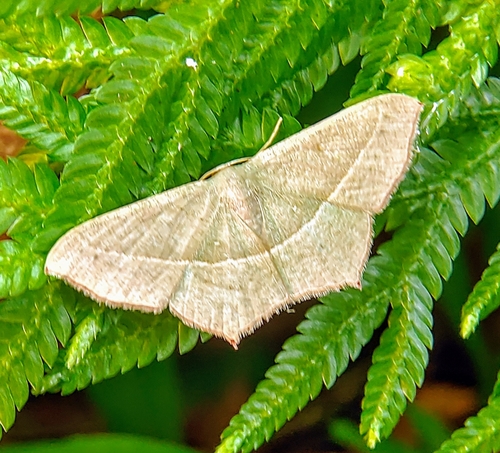
Indian Moon Moth

Indian Moon Moth

Actias selene

Daily sighting probability ~20% · Possible
at Kanha National Park

In 3 days ~50% in a week ~80%

22 Verified sightings at Kanha National Park From 2019 to 2026
31 In all 2 parks
July Best month
☀️🌙 Day & Night When it's spotted

About the Indian Moon Moth

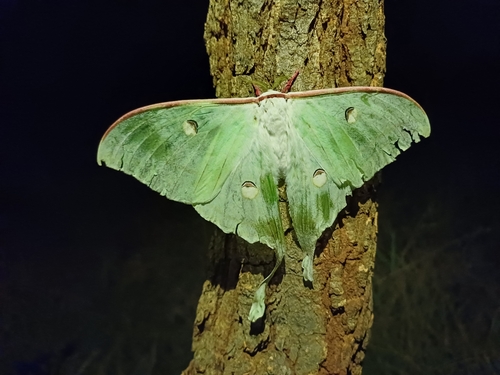
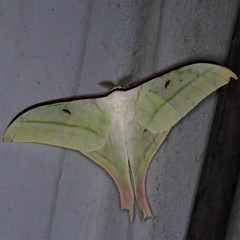
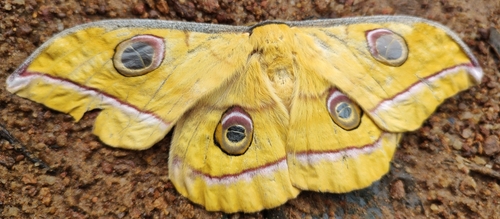
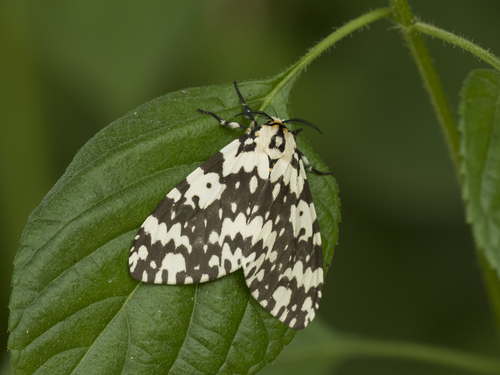
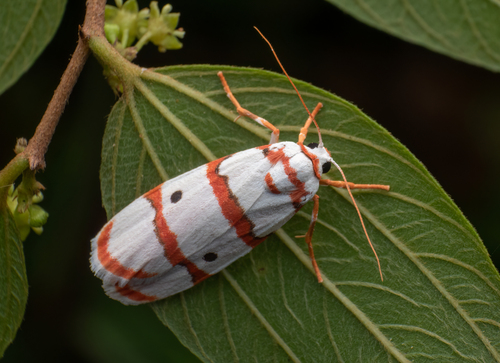
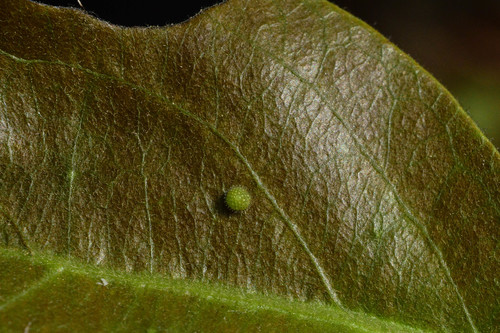
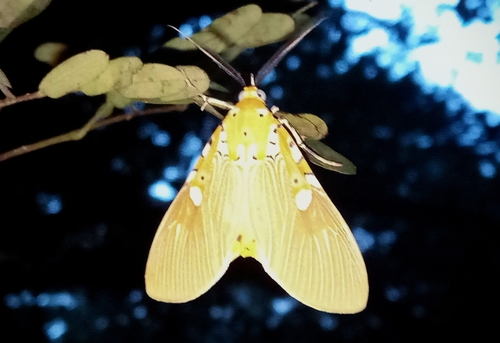
Actias selene, the Indian moon moth or Indian luna moth, is a species of saturniid moth from Asia. It was first described by Jacob Hübner in 1807. This species is popular among amateur entomologists and is often reared from eggs or cocoons that are available from commercial sources. They fly mainly at night.

This moth is quite widespread, found from India to Japan and then south into Nepal, Sri Lanka, Borneo, and other islands in eastern Asia. Many subspecies live in Pakistan, Afghanistan, the Philippines, Russia, China, Java, Sri Lanka, Sumatra and Borneo.

Male: Head, thorax, and abdomen white; palpi pink, prothorax with a dark pink band; legs pink. Forewing very pale green, white at base; a dark pink costal fascia, darkest along subcostal vein: an outwardly-oblique pale yellow antemedial line; two... Wikipedia →

Global Distribution

Parks Where Found

# Park Country Daily sighting probability
1 Kanha National Park 🇮🇳 India
~20%
2 Khao Yai National Park 🇹🇭 Thailand
~10%

Cities Where Found

# City Country Daily sighting probability
1 Kunming 🇨🇳 China
~10%
2 Chennai 🇮🇳 India
<5%
3 Mumbai 🇮🇳 India
<5%

Before you go

What are the chances of seeing an Indian Moon Moth in Kanha National Park?

Possible

About 20% of wildlife watchers report an Indian Moon Moth sighting in Kanha National Park on a given day, based on 22 verified sightings from GBIF citizen-science data from 2019 to 2026. It is the 33rd most-seen of the 106 insects we can rate there. Over three days the chance rises to about 50%, and over a week to about 80%, if each day is a fresh chance.

When is the best time to see an Indian Moon Moth in Kanha National Park?

July

In that month about 50% of wildlife watchers report an Indian Moon Moth in Kanha National Park on a given day, against under 5% in September and December–June, the lowest months. That is one of Kanha National Park's wettest months, with about 430 mm of rain against 10 mm in November.

What time of day is best to see an Indian Moon Moth?

Between 11 pm and 2 am

Across all the parks we cover, that three-hour window holds the most Indian Moon Moth sightings with a recorded time, and about 6 in 10 of them come between 6 pm and 6 am: it is seen both by day and at night.

Is Kanha National Park the best place to see an Indian Moon Moth?

Yes

Of the 2 parks where we can rate Indian Moon Moth sightings, Kanha National Park has the highest daily chance: about 20%. Next come Khao Yai National Park (Thailand, about 10%).

Where does the Indian Moon Moth sighting chance come from?

GBIF citizen-science records

It is estimated from how often the Indian Moon Moth is recorded against all the insects logged in Kanha National Park (22 verified sightings from 2019 to 2026), calibrated against known sighting rates. Figures are rounded to the nearest 10% because citizen-science data supports honest approximations, not decimals, and months with records from fewer than five people show "—". How it works.

← Back to Kanha National Park