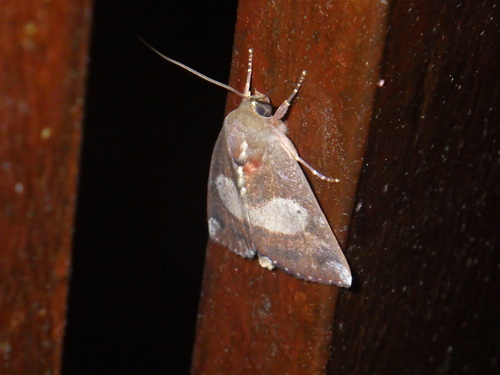
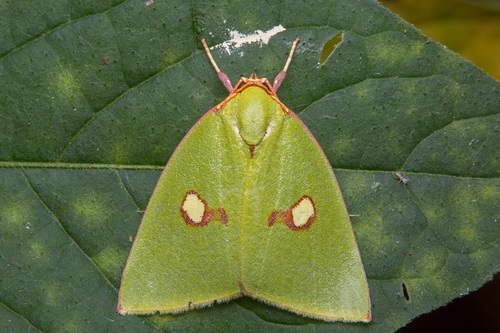
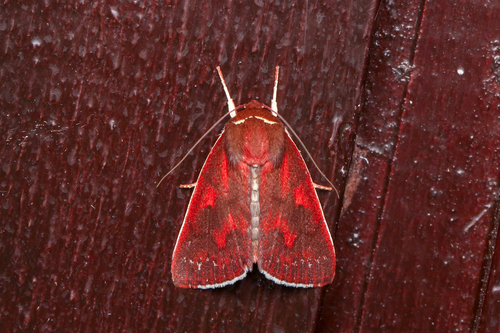
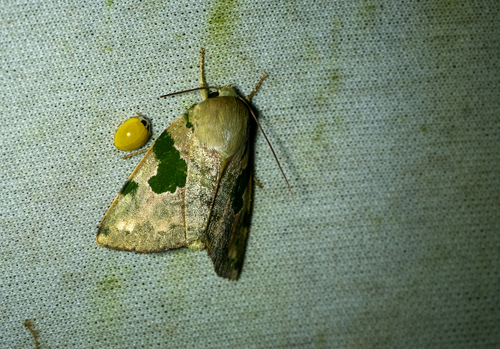
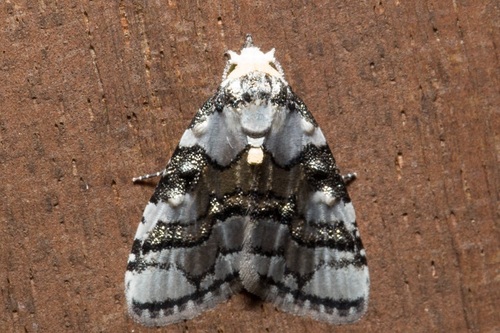
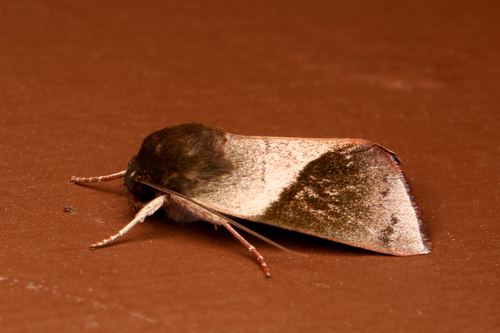
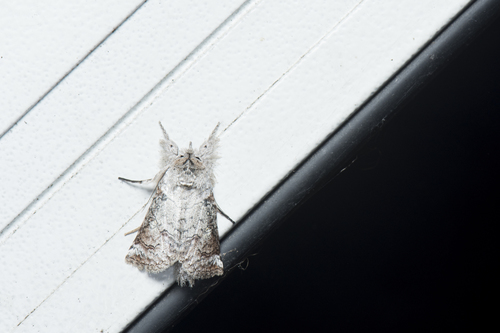
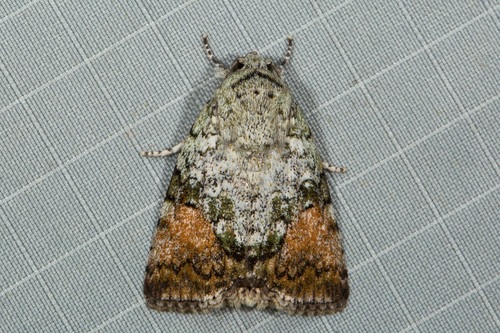
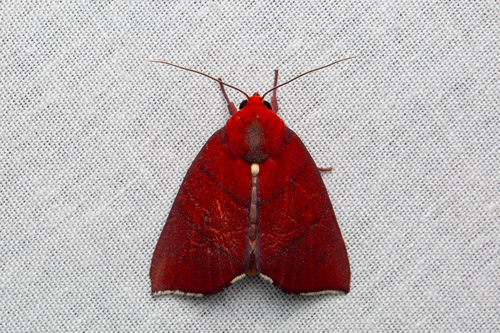
Maceda mansueta

Maceda mansueta

Maceda mansueta

Daily sighting probability ~10% · With luck
at Kinabalu Park

In 3 days ~30% in a week ~50%

7 Verified sightings at Kinabalu Park From 2019 to 2026
39 In all 4 parks
May Best month
🌙 Nocturnal When it's spotted

About the Maceda mansueta

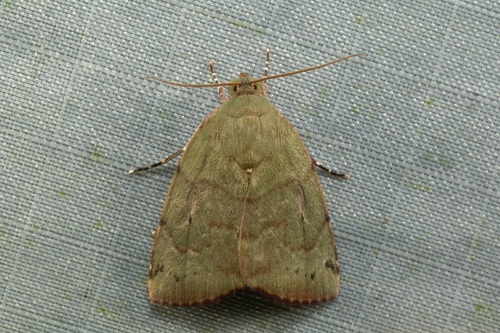
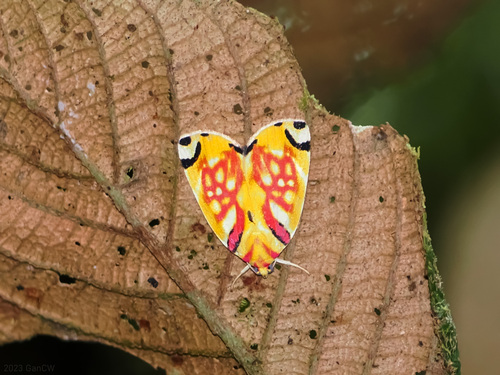
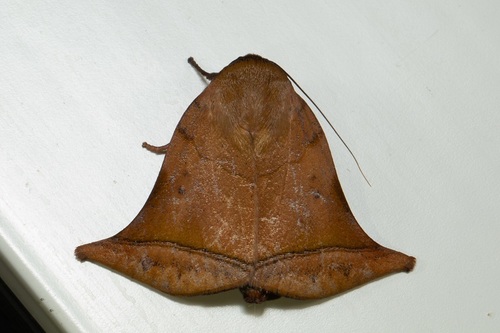
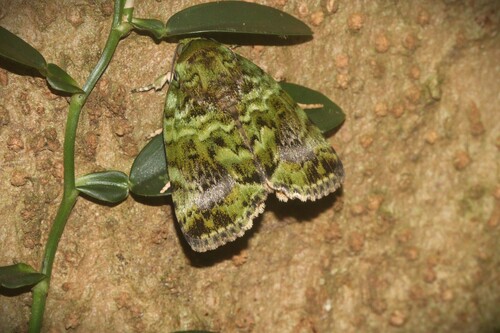
Maceda mansueta is a moth of the family Nolidae first described by Francis Walker in 1857. It is found in Japan, Sri Lanka, Borneo, India (Andamans), Malaysia, New Guinea, Fiji, Australia, Réunion and the Seychelles. There are highly variable color patterns in the wings. Adults are brownish with transverse fasciation. Hindwings with gray and black shading. The caterpillar is yellowish with dark reddish dots in tubercles. There is a distinct double dorsal line on the caterpillar with red, brown or black speckles. Only primary setae present. Pupation occurs in an ovoid truncated cocoon which is brown. No cremaster. Larval food plant is Heritiera.

A single subspecies is recorded - Maceda mansueta rufimacula Prout, 1921. This species is known to feed on Heritiera littoralis (Malvaceae). "Maceda mansueta". The Pherobase. Wikipedia →

Global Distribution

Parks Where Found

# Park Country Daily sighting probability
1 Kinabalu Park 🇲🇾 Malaysia
~10%
2 Daintree National Park 🇦🇺 Australia
~10%
3 Springbrook National Park 🇦🇺 Australia
~10%
4 Kaeng Krachan National Park 🇹🇭 Thailand
~10%

Before you go

What are the chances of seeing a Maceda mansueta in Kinabalu Park?

With luck

About 10% of wildlife watchers report a Maceda mansueta sighting in Kinabalu Park on a given day, based on 7 verified sightings from GBIF citizen-science data from 2019 to 2026. It is the 204th most-seen of the 297 insects we can rate there. Over three days the chance rises to about 30%, and over a week to about 50%, if each day is a fresh chance.

When is the best time to see a Maceda mansueta in Kinabalu Park?

May

In that month about 30% of wildlife watchers report a Maceda mansueta in Kinabalu Park on a given day, against under 5% in June to March, the lowest months.

What time of day is best to see a Maceda mansueta?

Between 7 and 10 pm

Across all the parks we cover, that three-hour window holds the most Maceda mansueta sightings with a recorded time, and about 9 in 10 of them come between 6 pm and 6 am: it is mostly seen at night.

Is Kinabalu Park the best place to see a Maceda mansueta?

Yes

Of the 4 parks where we can rate Maceda mansueta sightings, Kinabalu Park has the highest daily chance: about 10%. Next come Daintree National Park (Australia, about 10%) and Springbrook National Park (Australia, about 10%).

Which relatives of the Maceda mansueta live in Kinabalu Park?

Same family: Nolidae

The closest relatives of the Maceda mansueta that you can see in Kinabalu Park (family Nolidae, Tufted Moths) are Sinna calospila (about 20%), Diehlea ducalis (about 20%) and Blenina chlorophila (about 20%), with each one's daily chance of a sighting.

Where does the Maceda mansueta sighting chance come from?

GBIF citizen-science records

It is estimated from how often the Maceda mansueta is recorded against all the insects logged in Kinabalu Park (7 verified sightings from 2019 to 2026), calibrated against known sighting rates. Figures are rounded to the nearest 10% because citizen-science data supports honest approximations, not decimals, and months with records from fewer than five people show "—". How it works.

← Back to Kinabalu Park