


Completed


Komodo Dragon
Varanus komodoensis
Silhouette: Steven Traver · PhyloPic
- KingdomAnimalia (Animals)
- PhylumChordata (Chordates)
- ClassSquamata
- FamilyVaranidae (Monitor Lizards)
- GenusVaranus (Monitor Lizards)
- SpeciesVaranus komodoensis (Komodo Dragon)
718 Verified sightings at Komodo National Park From 2019 to 2026
718 In 1 park
September Best month
☀️ Diurnal When it's spotted
About the Komodo Dragon
The Komodo dragon (Varanus komodoensis), also known as the Komodo monitor, is a large reptile of the monitor lizard family Varanidae that is endemic to the Indonesian islands of Komodo, Rinca, Flores, Gili Dasami, and Gili Motang. The largest extant population lives within the Komodo National Park in Eastern Indonesia. It is the largest extant species of lizard, with the males growing to a maximum length of 3 m (10 ft) and weighing up to 150 kg (330 lb).
As a result of their size, which is exceptional among reptiles, Komodo dragons are apex predators, dominating the ecosystems in which they live. Komodo dragons hunt and ambush prey; juveniles take small prey like invertebrates or birds, and adults favour larger mammals, occasionally even attacking humans. The diet of adult Komodo dragons mainly consists of Javan rusa and feral pigs, though they also eat considerable amounts of carrion.
Young Komodo dragons are vulnerable and dwell in trees to avoid predators, including cannibalistic adults, which young Komodo dragons also try to repel by rolling in feces. They take 8 to 11 years to mature and are estimated to live up to 30 years (or by some estimates as much as 62 years). Mating begins between May and August, and the eggs are laid in September; as many as 20 eggs are deposited at a time in an abandoned megapode nest or in a self-dug nesting hole. The eggs are incubated for seven to eight months, hatching in April, when insects are most plentiful.
Western scientists first recorded Komodo dragons in 1910. Their large size and fearsome reputation make them popular zoo exhibits. In the wild, their range has been reduced by human encroachment and is likely to contract further from the effects of climate change; hence, they are listed as Endangered by the IUCN Red List. They are protected under Indonesian law, and the Komodo National Park was founded in 1980 to aid protection efforts.
In the Komodo language, the dragons are called sebae 'twins' out of a traditional belief by the Komodo people that they share the same spiritual mother as the dragons. Meanwhile, the Baar people, who speak the Baar dialect of Riung language, call the Komodo dragon mbau. Wikipedia →
Recent sightings of Komodo Dragon in Komodo National Park
LIVEiNaturalistGlobal Distribution
Parks Where Found
| # | Park | Country | Daily sighting probability |
|---|---|---|---|
| 1 | Komodo National Park | 🇮🇩 Indonesia |
More parks will be added in future updates.
Zoos & Centres Where Found
| # | Zoo / Centre | Country | |
|---|---|---|---|
| 1 | Disney's Animal Kingdom | 🇺🇸 United States | |
| 2 | Ragunan Zoo | 🇮🇩 Indonesia | |
| 3 | Busch Gardens Tampa | 🇺🇸 United States | |
| 4 | San Diego Zoo | 🇺🇸 United States | |
| 5 | Pairi Daiza | 🇧🇪 Belgium | |
| 6 | Prague Zoo | 🇨🇿 Czechia | |
| 7 | National Zoological Park | 🇺🇸 United States | |
| 8 | Shedd Aquarium | 🇺🇸 United States | |
| 9 | ZooParc de Beauval | 🇫🇷 France | |
| 10 | Leipzig Zoological Garden | 🇩🇪 Germany | |
| 11 | Denver Zoo | 🇺🇸 United States | |
| 12 | Natura Artis Magistra | 🇳🇱 Netherlands | |
| 13 | Skansen | 🇸🇪 Sweden | |
| 14 | Cincinnati Zoo and Botanical Garden | 🇺🇸 United States | |
| 15 | Antwerp Zoo | 🇧🇪 Belgium | |
| 16 | Barcelona Zoo | 🇪🇸 Spain | |
| 17 | North Carolina Zoo | 🇺🇸 United States | |
| 18 | Australia Zoo | 🇦🇺 Australia | |
| 19 | Taman Safari Bali (Bali Safari) | 🇮🇩 Indonesia | |
| 20 | Bali Zoo | 🇮🇩 Indonesia | |
| 21 | Greensboro Science Center | 🇺🇸 United States | |
| 22 | Brno Zoo | 🇨🇿 Czechia | |
| 23 | Zoo Miami | 🇺🇸 United States | |
| 24 | Taman Safari Indonesia | 🇮🇩 Indonesia | |
| 25 | Toronto Zoo | 🇨🇦 Canada | |
| 26 | Minnesota Zoo | 🇺🇸 United States | |
| 27 | Taman Safari Bogor | 🇮🇩 Indonesia | |
| 28 | Columbus Zoo and Aquarium | 🇺🇸 United States | |
| 29 | Bronx Zoo | 🇺🇸 United States | |
| 30 | Higashiyama Zoo and Botanical Gardens | 🇯🇵 Japan | |
| 31 | Higashiyama Zoo Main Park | 🇯🇵 Japan | |
| 32 | Higashiyama Zoo North Park | 🇯🇵 Japan | |
| 33 | Ramat Gan Safari | 🇮🇱 Israel | |
| 34 | Chimelong Safari Park | 🇨🇳 China | |
| 35 | Nashville Zoo at Grassmere | 🇺🇸 United States | |
| 36 | Shanghai Zoo | 🇨🇳 China | |
| 37 | Chester Zoo | 🇬🇧 United Kingdom | |
| 38 | Los Angeles Zoo | 🇺🇸 United States | |
| 39 | Dallas Zoo | 🇺🇸 United States | |
| 40 | National Zoological Garden of South Africa | 🇿🇦 South Africa | |
| 41 | Phoenix Zoo | 🇺🇸 United States | |
| 42 | Toledo Zoo | 🇺🇸 United States | |
| 43 | Jacksonville Zoo and Gardens | 🇺🇸 United States | |
| 44 | Parco Natura Viva | 🇮🇹 Italy | |
| 45 | Louisville Zoo | 🇺🇸 United States | |
| 46 | Audubon Zoo | 🇺🇸 United States | |
| 47 | Zoo La Barben | 🇫🇷 France | |
| 48 | Oklahoma City Zoo and Botanical Garden | 🇺🇸 United States | |
| 49 | Saint Louis Zoo | 🇺🇸 United States | |
| 50 | Colchester Zoo | 🇬🇧 United Kingdom |
Closest Relatives at Komodo National Park
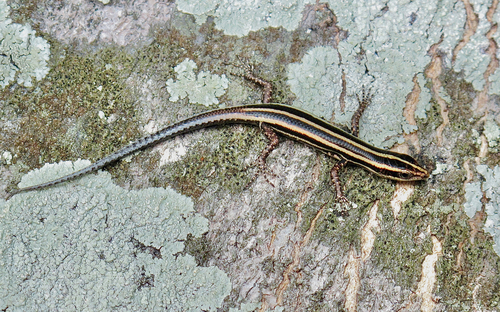
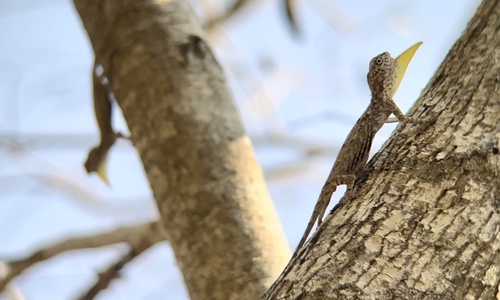
No species of the same family or order lives in Komodo National Park, so these are its closest relatives here: other reptiles.





Before you go
What are the chances of seeing a Komodo Dragon in Komodo National Park?
Very likely
Over 90% of wildlife watchers report a Komodo Dragon sighting in Komodo National Park on a given day, based on 718 verified sightings from GBIF citizen-science data from 2019 to 2026. It is the most-seen of the 19 reptiles we can rate there.
When is the best time to see a Komodo Dragon in Komodo National Park?
Any time of year
In every month with enough records, over 90% of wildlife watchers report a Komodo Dragon in Komodo National Park on a given day, so our monthly data shows no clear season.
What time of day is best to see a Komodo Dragon?
Between 9 am and noon
Across all the parks we cover, that three-hour window holds the most Komodo Dragon sightings with a recorded time, and about 9 in 10 of them come between 6 am and 6 pm: it is a daytime animal.
Where else can you see a Komodo Dragon?
Only Komodo National Park, in our data
Komodo National Park is the only park on Wallace's Line with enough records to rate Komodo Dragon sightings: over 90% of wildlife watchers there report one on a given day.
Where does the Komodo Dragon sighting chance come from?
GBIF citizen-science records
It is estimated from how often the Komodo Dragon is recorded against all the reptiles logged in Komodo National Park (718 verified sightings from 2019 to 2026), calibrated against known sighting rates. Figures are rounded to the nearest 10% because citizen-science data supports honest approximations, not decimals, and months with records from fewer than five people show "—". How it works.
