









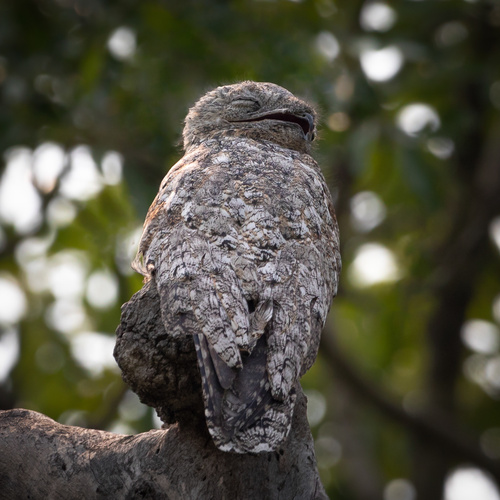

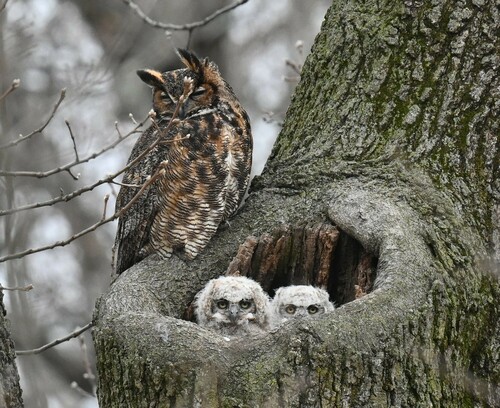


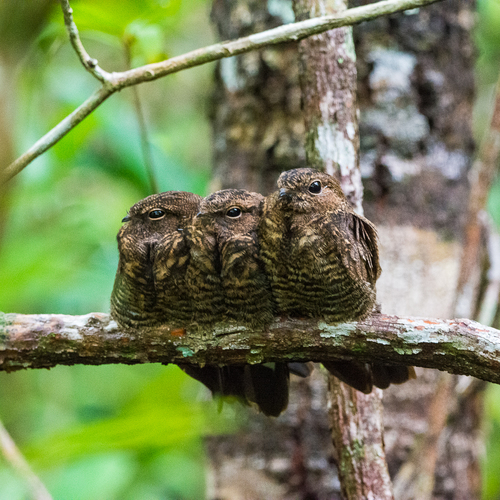


All 5 in 3 days here: ~10%
Madidi National Park
🇧🇴 Bolivia
La Paz, Bolivia 2439 spp. recorded
Madidi National Park is a national park in the upper Amazon River basin in Bolivia. It was established in 1995 with a total land area of 18,958 km2. Together with the nearby protected areas Manuripi-Heath and Apolobamba and the Manu Biosphere Reserve, Madidi is part of one of the largest protected areas in the world.
Ranging from the Andes Mountains to the rainforests of the Tuichi River, Madidi was recognized in 2018 by the Wildlife Conservation Society as the world's most biologically diverse national park. Madidi extends to protect parts of the Bolivian Yungas and Bolivian montane dry forests ecoregions.
Madidi National Park is accessible from San Buenaventura by crossing the Beni River via passenger ferry from Rurrenabaque. The local inhabitants, many of whom migrated from the Andean highlands, speak the Quechua language. The park is home to indigenous groups including the Tacanan-speaking Tacana and Ese Ejja, the closely related Tsimané and Mosetén, and the voluntarily isolated Toromona.
Ecolodges are found in and around Madidi National Park. The oldest and most well-known is Chalalan Ecolodge, situated in Chalalán on the Tuichi River, a community-based enterprise that generates economic benefits for indigenous communities.
-13.966° S 68.630° W
🦜 Nature

601 Species sighted
7,657 Verified sightings From 2019 to 2026
Oct Best month
⭐ Iconic Species
📊 Most Spotted
⭐ Iconic Species
📊 Most Spotted
⭐ Iconic Species
📊 Most Spotted
📊 Most Spotted
📊 Most Spotted
🌙 Most active after dark
Challenges you can complete here
Recent sightings in Madidi National Park
LIVEiNaturalistSighting Calendar
How many species you'd see in a dayavg 32 year-round
37
No data
Jan33
No data
Feb4.4
No data
Mar36
No data
Apr35
No data
May34
No data
Jun42
No data
Jul39
No data
Aug38
No data
Sep45
No data
Oct35
No data
Nov4.1
No data
DecSighting Zones
Warmer areas are where all species together are recorded most often.
-
14.124° S, 66.782° W




🏕️ Experience
Essentials
Entrance
Paid
Tourism
Medium
Typical stay
2–3
daysTrails
Moderate
World Heritage
No
Climate
Temp °C Rain mm
-20°
0° 0
20° 300
40° 600 mm
Jan239Feb288Mar256Apr145May104Jun67Jul42Aug51Sep74Oct133Nov163Dec258
0.0 Excellent
Wallace's Line Score
How good is this park for seeing wildlife? 🦜
Biodiversity
ExcellentHow rich is the wildlife?
5.0
Species by taxon
🦅 Birds 1510
🐒 Mammals 399
🦎 Reptiles 238
🐸 Amphibians 292
2439 Total Species
810 Global average across 340 parks
83 Threatened 13 Endemic
🔭
Sighting
Very goodHow likely to see animals?
3.4
🎯
Top-12 Avg Probability
52% 📊
Coverage (268 species at ≥5% of 2439 in the inventory)
11% 🔀
Taxon variety in top 12 (6 bird, 3 reptile, 3 mammal)
83% 🔭
Species per 10 outings (distinct species a visitor would meet over 10 outings — effort held equal across parks)
205 🌟
Iconic-group species (≥15%) (every species from the 19 iconic groups — monkeys, cats, toucans, macaws, sloths, crocodilians… — not just the 4 highlighted above)
27 ⭐
High-prob species (>40%)
11 🏕️
Experience
Very goodHow easy and pleasant is the visit?
4.0
Climate Pleasant High
Entrance Paid Low
Tourism Medium Medium
Trails Moderate Medium
World Heritage No —
What visitors say
Your review
travellingbee.travel.blog Web excerpt · 2025
“The first day we saw squirrel monkeys and spider monkeys high in the trees.”
madisonvibra.com Web excerpt · 2024
“We observed spider monkeys swinging gracefully through the treetops, woolly monkeys foraging for fruits, and the rare Bolivian swallow-tailed cotinga perched high in the canopy.”
briannarandall.com Web excerpt · 2024
“We saw incredible birds, like the prehistoric huaxín, a turquoise-and-peach agami heron, kingfishers, macaws, parrots and more.”
wanderingslowmads.com Web excerpt · 2025
“The 2 hour drive was amazing where we spotted a sloth, an anteater, and many capybaras.”
Before you go
What animals can you see in Madidi National Park?
2,439 species
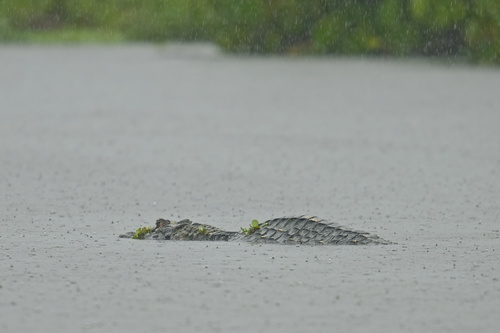
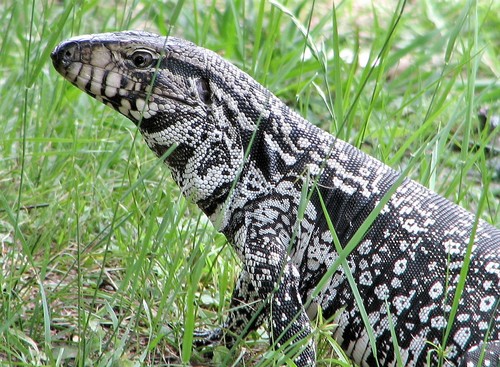
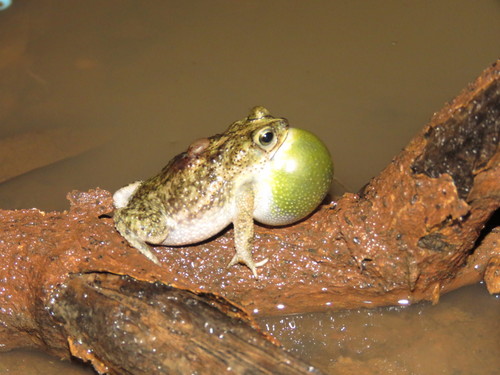
Madidi National Park has 2,439 recorded vertebrate species. The ones wildlife watchers report most often on a given day are Yacare Caiman (about 70%), Black-capped Squirrel Monkey (about 70%), Capybara (about 60%), Yellow-headed Sideneck (about 60%) and Black Vulture (about 50%). Among amphibians, the most-seen is Chaco Granulated Toad (about 20%).
When is the best time to visit Madidi National Park for wildlife?
July and November
In those months the park's 12 most-seen species average about 60% on a given day, against about 50% in August–October and December–June.
Can you see a Jaguar in Madidi National Park?
With luck
About 10% of wildlife watchers report a Jaguar sighting in Madidi National Park on a given day, based on 10 verified sightings from GBIF citizen-science data from 2019 to 2026. The best time is April–June, August–September and November (about 10%). Sightings take luck and time in the field.
Can you see a Blue-headed Parrot in Madidi National Park?
Yes
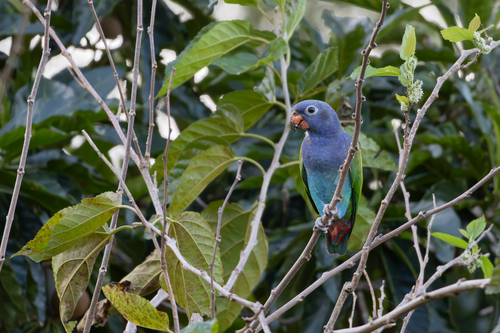
About 30% of wildlife watchers report a Blue-headed Parrot sighting in Madidi National Park on a given day, based on 57 verified sightings from GBIF citizen-science data from 2019 to 2026. The best time is July and November (about 50%).
Is Madidi National Park good for wildlife watching?
3.9 out of 5
On the Wallace's Line Score, Madidi National Park rates 3.9/5: 131st of 340 parks worldwide and 18th in South America. 18 of its species are reported by about 40% or more of wildlife watchers on a given day.


