


















All 2 in 3 days here: ~10%
Tambopata National Reserve
🇵🇪 Peru
Madre de Dios, Peru 1562 spp. recorded
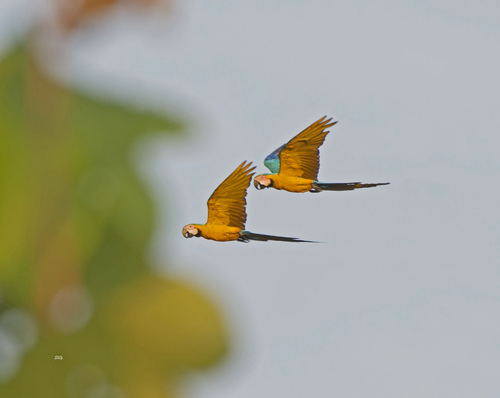
Tambopata is organised around its clay licks, where macaws gather in the early morning to eat mineral-rich riverbank. Scarlet, red-and-green and blue-and-yellow macaws are each recorded on around four visits in ten, all three often at once.
-12.973° S 69.265° W
🦜 Nature

839 Species sighted
139,205 Verified sightings From 2019 to 2026
May Best month
⭐ Iconic Species
📊 Most Spotted
⭐ Iconic Species
📊 Most Spotted
⭐ Iconic Species
📊 Most Spotted
⭐ Iconic Species
📊 Most Spotted
📊 Most Spotted
📊 Most Spotted
⭐ Iconic Species
🌙 Most active after dark
+ 332 more species with insufficient data
Challenges you can complete here

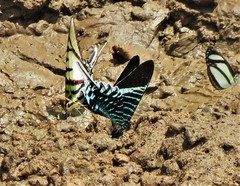
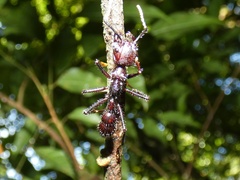
All 3 in 3 days here: ~20%
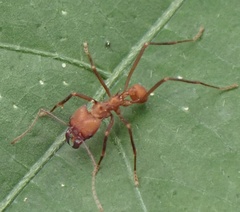
All 3 in 3 days here: <5%


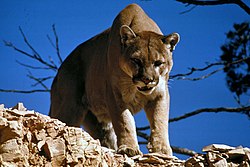

All 3 in 3 days here: <5%
Recent sightings in Tambopata National Reserve
LIVEiNaturalistSounds of Tambopata National Reserve
Sighting Calendar
How many species you'd see in a day
54Jan
72Feb
60Mar
57Apr
86May
63Jun
79Jul
78Aug
65Sep
68Oct
73Nov
74Dec
Sighting Zones
Warmer areas are where all species together are recorded most often.
-
Lago Sandoval
Daily sight. prob.vs avg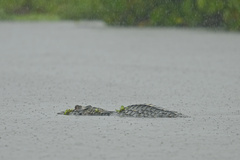 Black Caiman~90%+50%
 Black-capped Squirrel Monkey~80%+30%
 Brown Capuchin~80%+30%
 Proboscis Bat~70%+40%
 Tree Runner~70%+30%
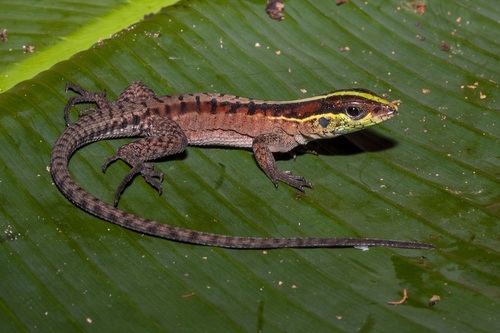
 Amazon Racerunner~60%+20%
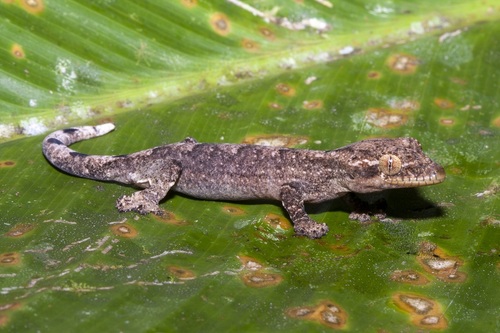
 Trinidad Gecko~50%+20%
 Southern Amazon Red Squirrel~50%+20%
 Brown-eared Anole~40%+10%
 Bolivian Red Howler Monkey~40%+20%
 Toppin's Titi~40%≈
 Black-fronted Nunbird~30%-10%
-
Collpa 08 Gallinas
Daily sight. prob.vs avg -
Tambopata Research Center
Daily sight. prob.vs avg Eastern Cane Toad~70%+20%
- Amazon Racerunner~60%+20%
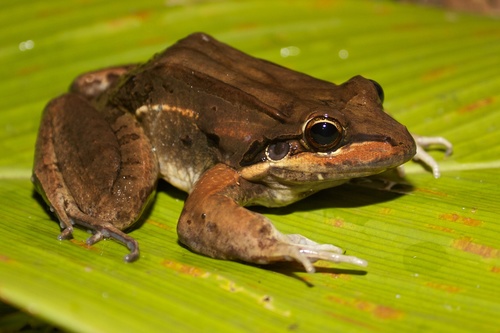
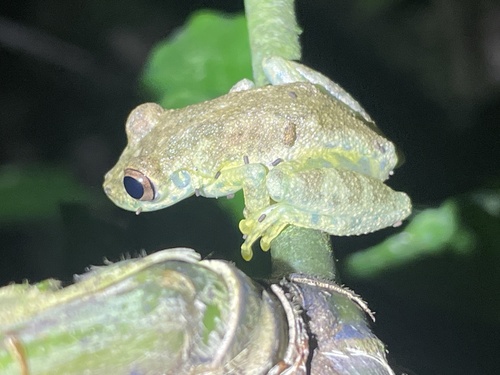
 Giant Broad-headed Treefrog~60%+20%
 Common Caiman~50%+10%
- Brown Capuchin~50%+10%
 Scarlet Macaw~50%+10%
- Southern Amazon Red Squirrel~50%+20%
 Amazon Green Anole~50%+20%
 Map Tree Frog~50%+30%
 White-mantled Tamarin~50%+10%
- Black-capped Squirrel Monkey~50%≈
 Capybara~40%-10%
-
Kawsay Biological Station
Daily sight. prob.vs avg- Trinidad Gecko~60%+20%
- Black-fronted Nunbird~60%+10%
 Tiger-Striped Leaf Frog~50%+20%
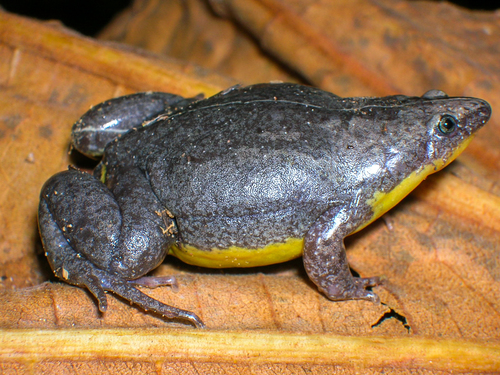
 Amazon Sheep Frog~50%+20%
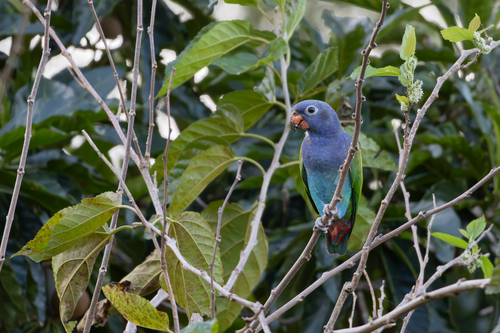
 Cobalt-winged Parakeet~50%+10%
- Brown Capuchin~50%≈
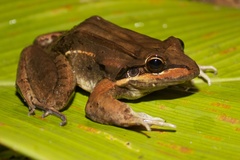 Sharp-nosed Jungle Frog~40%≈
- Eastern Cane Toad~40%≈
 Undulated Tinamou~40%≈
 Blunthead Tree Snake~40%+10%
- Giant Broad-headed Treefrog~40%≈
- Black-capped Squirrel Monkey~40%-10%
-
Secret Forest Lodge
Daily sight. prob.vs avg- Eastern Cane Toad~50%≈
- Capybara~50%≈
- Giant Broad-headed Treefrog~50%+10%
- Brown-eared Anole~50%+10%
 Garden Tree Boa~50%+10%
- Black-capped Squirrel Monkey~40%≈
 Surinam Horned Frog~40%≈
 Three-striped Poison Frog~40%+20%
 Black-eyed Monkey Frog~40%+10%
- Brown Capuchin~40%-10%
 Tschudi's False Coral Snake~40%+10%
- White-mantled Tamarin~40%≈
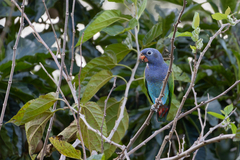


🏕️ Experience
Essentials
Entrance
Paid
Tourism
Low
Typical stay
2–3
daysTrails
Easy
World Heritage
No
Climate
Temp °C Rain mm
JanFebMarAprMayJunJulAugSepOctNovDec
0.0 Excellent
Wallace's Line Score
How good is this park for seeing wildlife? 🦜
Biodiversity
ExcellentHow rich is the wildlife?
4.7
Species by taxon
🦅 Birds 891
🐒 Mammals 345
🦎 Reptiles 183
🐸 Amphibians 143
1562 Total Species
828 Global average across 316 parks
39 Threatened 56 Endemic
🔭
Sighting
ExcellentHow likely to see animals?
4.0
🎯
Top-12 Avg Probability
46% 📊
Coverage (430 species at ≥5% of 1562 in the inventory)
28% 🔀
Taxon variety in top 12 (4 bird, 3 mammal, 3 reptile, 2 amphibian)
98% 🔭
Species per 10 outings (distinct species a visitor would meet over 10 outings — effort held equal across parks)
231 🌟
Iconic-group species (≥15%) (every species from the 19 iconic groups — monkeys, cats, toucans, macaws, sloths, crocodilians… — not just the 4 highlighted above)
40 ⭐
High-prob species (>40%)
15 🏕️
Experience
Very goodHow easy and pleasant is the visit?
4.0
Climate Mixed Medium
Entrance Paid Low
Tourism Medium Medium
Trails Easy High
World Heritage No —
What visitors say
Along the way we saw a few Capybara, our first lot of wildlife!
We watched as a group of approximately 50 squirrel monkeys skittered along lake edge vines mere feet from our hand-paddled boats.
We were incredibly lucky to see 7 of the 8 native species in a single 6-hour hike. - Bolivian Night Monkey: We saw a monogamous couple with big eyes hiding next to a Capuchin monkey, looking quite scared!
Look for monkeys and birds in the rainforest Also, the reserve is home to over 500 species of birds, including colorful macaws, parrots, and toucans, which our guide helped us spot nesting in the trees.
Before you go
What animals can you see in Tambopata National Reserve?
1,562 species
Tambopata National Reserve has 1,562 recorded vertebrate species. The ones wildlife watchers report most often on a given day are Capybara (about 50%), Black-capped Squirrel Monkey (about 50%), White-throated Toucan (about 50%), Brown Capuchin (about 50%) and Black-fronted Nunbird (about 50%). Among reptiles, the most-seen is Common Caiman (about 40%); among amphibians, Eastern Cane Toad (about 50%).
When is the best time to visit Tambopata National Reserve for wildlife?
March–May, August and November–December
In those months the park's 12 most-seen species average about 50% on a given day, against about 40% in January–February, June–July and September–October.
Can you see a Scarlet Macaw in Tambopata National Reserve?
Yes
About 40% of wildlife watchers report a Scarlet Macaw sighting in Tambopata National Reserve on a given day, based on 1,585 verified sightings from GBIF citizen-science data from 2019 to 2026. The best time is April–May and December (about 50%).
Can you see a Black-capped Squirrel Monkey in Tambopata National Reserve?
Yes
About 50% of wildlife watchers report a Black-capped Squirrel Monkey sighting in Tambopata National Reserve on a given day, based on 146 verified sightings from GBIF citizen-science data from 2019 to 2026. The best time is November (about 70%).
Can you see a Brown Capuchin in Tambopata National Reserve?
Yes
About 50% of wildlife watchers report a Brown Capuchin sighting in Tambopata National Reserve on a given day, based on 135 verified sightings from GBIF citizen-science data from 2019 to 2026. The best time is May (about 60%).
Can you see a Black Caiman in Tambopata National Reserve?
Yes
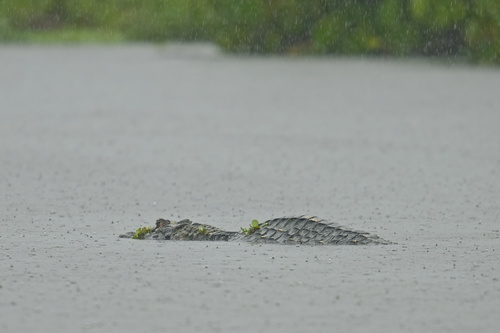
About 40% of wildlife watchers report a Black Caiman sighting in Tambopata National Reserve on a given day, based on 125 verified sightings from GBIF citizen-science data from 2019 to 2026. The best time is May (about 60%).
Where in Tambopata National Reserve is wildlife easiest to see?
Around Lago Sandoval
The richest sighting zone is around Lago Sandoval, followed by Collpa 08 Gallinas and Tambopata Research Center, ranked by how many of the park's headline animals visitors can expect to see in each. See the zones on the map.
Is Tambopata National Reserve good for wildlife watching?
4.2 out of 5
On the Wallace's Line Score, Tambopata National Reserve rates 4.2/5: 89th of 316 parks worldwide and 11th in South America. 27 of its species are reported by about 40% or more of wildlife watchers on a given day.


