



Completed


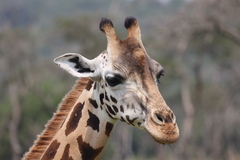
Northern Giraffe
Giraffa camelopardalis
Silhouette: Bernard Dupont (photograph) and T. Michael Keesey (tracing) · PhyloPic
- KingdomAnimalia (Animals)
- PhylumChordata (Chordates)
- ClassMammalia (Mammals)
- OrderArtiodactyla (Even-toed Ungulates and Cetaceans)
- FamilyGiraffidae (Giraffes and Okapi)
- GenusGiraffa (Giraffes)
- SpeciesGiraffa camelopardalis (Northern Giraffe)
In 3 days >90%
235 Verified sightings at Murchison Falls National Park From 2019 to 2026
628 In all 4 parks
November Best month
☀️ Diurnal When it's spotted



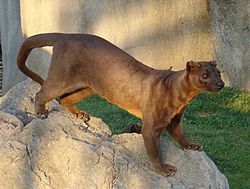
About the Northern Giraffe
The northern giraffe (Giraffa camelopardalis), also known as the three-horned giraffe, is a species of giraffe native to North Africa. Once abundant throughout Africa since the 19th century, the Northern Giraffe ranged from Senegal, Mali and Nigeria from West Africa to up north in Egypt. The similar West African giraffe lived in Algeria and Morocco in ancient periods until their extinctions due to the Saharan dry climate.
Giraffes collectively are listed as vulnerable on the IUCN Red List, as the global population is thought to consist of about 97,000 individuals as of 2016. As of August 2025, the IUCN Giraffe and Okapi Specialist Group recognizes four distinct species of giraffe: the northern giraffe, the Masai giraffe, the reticulated giraffe, and the southern giraffe.
A 2021 whole genome sequencing study suggested the northern giraffe as a separate species, and postulates the existence of three distinct subspecies, and more recently, one extinct subspecies. This supports the 2025 IUCN reports.
There are three recognized subspecies of northern giraffe: the Kordofan giraffe, the Nubian giraffe, and the West African giraffe. Often mistaken... Wikipedia →
Recent sightings of Northern Giraffe in Murchison Falls National Park
LIVEiNaturalistGlobal Distribution
Parks Where Found
| # | Park | Country | Daily sighting probability |
|---|---|---|---|
| 1 | Murchison Falls National Park | 🇺🇬 Uganda | |
| 2 | Lake Nakuru National Park | 🇰🇪 Kenya | |
| 3 | Kidepo Valley National Park | 🇺🇬 Uganda | |
| 4 | Lake Mburo National Park | 🇺🇬 Uganda |
Zoos & Centres Where Found
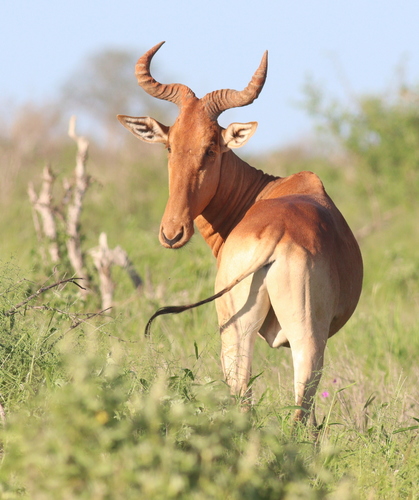
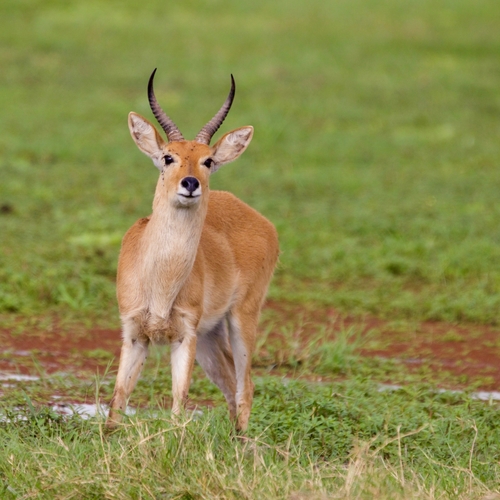
Closest Relatives at Murchison Falls National Park






Before you go
What are the chances of seeing a Northern Giraffe in Murchison Falls National Park?
Very likely
About 80% of wildlife watchers report a Northern Giraffe sighting in Murchison Falls National Park on a given day, based on 235 verified sightings from GBIF citizen-science data from 2019 to 2026. It is the most-seen of the 23 mammals we can rate there. Over three days the chance rises to over 90%, if each day is a fresh chance.
When is the best time to see a Northern Giraffe in Murchison Falls National Park?
November
In that month about 90% of wildlife watchers report a Northern Giraffe in Murchison Falls National Park on a given day, against about 60% in April, the lowest month.
What time of day is best to see a Northern Giraffe?
Between 8 and 11 am
Across all the parks we cover, that three-hour window holds the most Northern Giraffe sightings with a recorded time, and about 8 in 10 of them come between 6 am and 6 pm: it is a daytime animal.
Is Murchison Falls National Park the best place to see a Northern Giraffe?
Yes
Of the 4 parks where we can rate Northern Giraffe sightings, Murchison Falls National Park has the highest daily chance: about 80%. Next come Lake Nakuru National Park (Kenya, about 70%) and Kidepo Valley National Park (Uganda, about 70%). All parks ranked.
Which relatives of the Northern Giraffe live in Murchison Falls National Park?
Same order: Artiodactyla
The closest relatives of the Northern Giraffe that you can see in Murchison Falls National Park (order Artiodactyla, Even-toed Ungulates and Cetaceans) are Kob (about 80%), Hartebeest (about 70%) and Oribi (about 70%), with each one's daily chance of a sighting.
Where does the Northern Giraffe sighting chance come from?
GBIF citizen-science records
It is estimated from how often the Northern Giraffe is recorded against all the mammals logged in Murchison Falls National Park (235 verified sightings from 2019 to 2026), calibrated against known sighting rates. Figures are rounded to the nearest 10% because citizen-science data supports honest approximations, not decimals, and months with records from fewer than five people show "—". How it works.
