




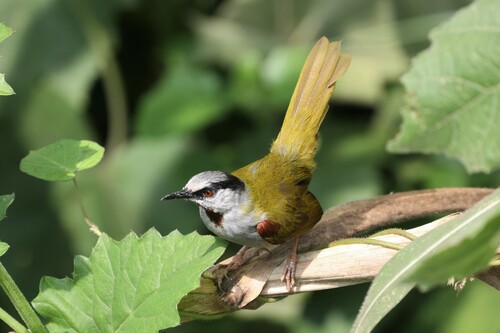


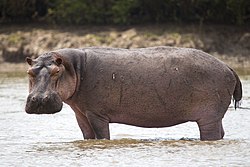

All 4 in 3 days here: ~80%
Ngorongoro Conservation Area
🇹🇿 Tanzania
East Africa, Tanzania 1447 spp. recorded
Ngorongoro Conservation Area sits in northern Tanzania, centered on a massive volcanic caldera that cradles a tropical savanna plain. The crater rim drops steeply to grass‑covered floors dotted with acacia woodlands, creating a natural enclosure that separates it from surrounding parks.
-2.975° S 35.448° E
🦜 Nature

702 Species sighted
130,703 Verified sightings From 2019 to 2026
Apr Best month
⭐ Iconic Species
📊 Most Spotted
⭐ Iconic Species
📊 Most Spotted
📊 Most Spotted
📊 Most Spotted
📊 Most Spotted
📊 Most Spotted
🌙 Most active after dark
+ 892 more species with insufficient data
Challenges you can complete here


All 3 in 3 days here: ~40%


All 5 in 3 days here: ~60%


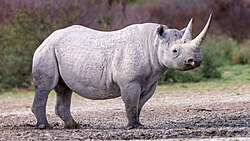
All 5 in 3 days here: ~50%
Recent sightings in Ngorongoro Conservation Area
LIVEiNaturalistSounds of Ngorongoro Conservation Area
Morning soundscape0:40
Tanzania · 2022
© isaac kilusu · XC703366 · CC BY-NC-SA 4.0
Sighting Calendar
How many species you'd see in a day
64Jan
72Feb
71Mar
89Apr
55May
48Jun
52Jul
52Aug
59Sep
54Oct
73Nov
57Dec
Sighting Zones
Warmer areas are where all species together are recorded most often.
-
Ngorongoro Crater
-
Ndutu Safari Lodge
Daily sight. prob.vs avg -
Ndutu
Daily sight. prob.vs avg -
Ngorongoro Serena Safari Lodge
-
Lodoare Gate
Daily sight. prob.vs avg






🏕️ Experience
Essentials
Climate
Temp °C Rain mm
JanFebMarAprMayJunJulAugSepOctNovDec
0.0 World-class
Wallace's Line Score
How good is this park for seeing wildlife? 🦜
Biodiversity
ExcellentHow rich is the wildlife?
4.7
Species by taxon
🦅 Birds 989
🐒 Mammals 257
🦎 Reptiles 151
🐸 Amphibians 50
1447 Total Species
828 Global average across 316 parks
48 Threatened 8 Endemic
🔭
Sighting
ExcellentHow likely to see animals?
5.0
🎯
Top-12 Avg Probability
64% 📊
Coverage (325 species at ≥5% of 1447 in the inventory)
22% 🔀
Taxon variety in top 12 (9 mammal, 3 bird)
50% 🔭
Species per 10 outings (distinct species a visitor would meet over 10 outings — effort held equal across parks)
250 🌟
Iconic-group species (≥15%) (every species from the 19 iconic groups — monkeys, cats, toucans, macaws, sloths, crocodilians… — not just the 4 highlighted above)
41 ⭐
High-prob species (>40%)
35 🏕️
Experience
ExcellentHow easy and pleasant is the visit?
4.7
Climate Pleasant High
Entrance Paid Low
Tourism Medium Medium
Trails Easy High
World Heritage Yes Bonus
What visitors say
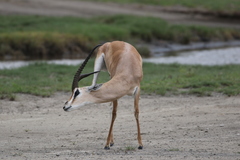
Not too far away we also spotted gazelles, both Thompson’s (smaller, with a black stripe) and Grant’s (larger, no stripe) and a warthog.
Early on, we saw a lion in the distance having breakfast, with a couple of spotted hyenas at a respectful distance awaiting their turn at the carcass.
We were amazed to see a zebra rolled over on the dirt…what was he doing?
Zebras and wilder beast everywhere We saw huge herds of wilder beast munching away with huge herds of zebras mixed in with them, it was an incredibly tranquil sight. the lions seemed to agree and sat around licking their lips enjoying the view as well.
Before you go
What animals can you see in Ngorongoro Conservation Area?
1,447 species
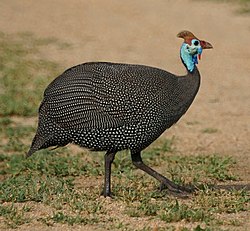
Ngorongoro Conservation Area has 1,447 recorded vertebrate species. The ones wildlife watchers report most often on a given day are Lion (about 80%), Plains Zebra (about 70%), Blue Wildebeest (about 70%), African Buffalo (about 70%) and Spotted Hyena (about 70%). Among birds, the most-seen is Helmeted Guineafowl (about 60%); among reptiles, Leopard Tortoise (about 20%).
When is the best time to visit Ngorongoro Conservation Area for wildlife?
January–February, August and November
In those months the park's 12 most-seen species average about 70% on a given day, against about 50% in May.
Can you see a Lion in Ngorongoro Conservation Area?
Yes
About 80% of wildlife watchers report a Lion sighting in Ngorongoro Conservation Area on a given day, based on 456 verified sightings from GBIF citizen-science data from 2019 to 2026. The best time is February–March, June, August and November (about 80%).
Can you see an African Bush Elephant in Ngorongoro Conservation Area?
Yes
About 50% of wildlife watchers report an African Bush Elephant sighting in Ngorongoro Conservation Area on a given day, based on 230 verified sightings from GBIF citizen-science data from 2019 to 2026. The best time is May–June and November–February (about 60%).
Can you see a Black Rhinoceros in Ngorongoro Conservation Area?
Yes
About 60% of wildlife watchers report a Black Rhinoceros sighting in Ngorongoro Conservation Area on a given day, based on 196 verified sightings from GBIF citizen-science data from 2019 to 2026. The best time is June (about 70%).
Can you see a Blue Wildebeest in Ngorongoro Conservation Area?
Yes
About 70% of wildlife watchers report a Blue Wildebeest sighting in Ngorongoro Conservation Area on a given day, based on 522 verified sightings from GBIF citizen-science data from 2019 to 2026. The best time is February and November (about 80%).
Where in Ngorongoro Conservation Area is wildlife easiest to see?
Around Ngorongoro Crater
The richest sighting zone is around Ngorongoro Crater, followed by Ndutu Safari Lodge and Ndutu, ranked by how many of the park's headline animals visitors can expect to see in each. See the zones on the map.
Is Ngorongoro Conservation Area good for wildlife watching?
4.9 out of 5
On the Wallace's Line Score, Ngorongoro Conservation Area rates 4.9/5: 8th of 316 parks worldwide and 5th in Africa. 44 of its species are reported by about 40% or more of wildlife watchers on a given day.