Completed
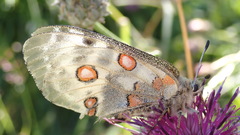
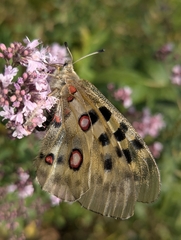
Apollo
Parnassius apollo
- KingdomAnimalia (Animals)
- PhylumArthropoda (Arthropods)
- ClassInsecta (Insects)
- OrderLepidoptera (Butterflies and Moths)
- FamilyPapilionidae (Swallowtails and Parnassians)
- GenusParnassius (Apollos)
- SpeciesParnassius apollo (Apollo)
In 3 days ~60% in a week ~90%
356 Verified sightings at Pyrénées National Park From 2019 to 2026
1,048 In all 11 parks
July Best month
☀️ Diurnal When it's spotted
About the Apollo
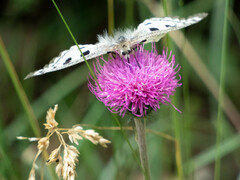
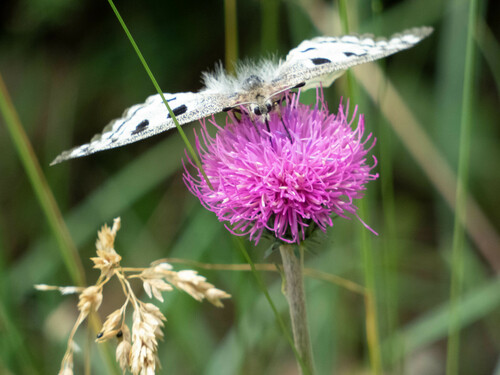
The Apollo (Parnassius apollo), also called the mountain Apollo, is a butterfly of the family Papilionidae. The species is named in the classical tradition for the deity Apollo. This mountain butterfly species prefers hills and flowery alpine meadows, and pastures of the continental European mountains, in Spain, Scandinavia and Central Europe, in the Balkans up to northern Greece, and in the Alps between Italy and France.
It is also present in some areas of central Asia (Sakha). Typical of high altitudes, its mountain habitat ranges from 400 metres (1,300 ft) up to 2,300 metres (7,500 ft), although it is far more present above 1,000 metres (3,300 ft).
The species requires specific climatic conditions, of cold winters and sunny summers. It also requires wide... Wikipedia →
Recent sightings of Apollo in Pyrénées National Park
LIVEiNaturalistGlobal Distribution
Parks Where Found
| # | Park | Country | Daily sighting probability |
|---|---|---|---|
| 1 | Vanoise National Park | 🇫🇷 France | |
| 2 | Mercantour National Park | 🇫🇷 France | |
| 3 | Aigüestortes National Park | 🇪🇸 Spain | |
| 4 | Ecrins National Park | 🇫🇷 France | |
| 5 | Pyrénées National Park | 🇫🇷 France | |
| 6 | Triglav National Park | 🇸🇮 Slovenia | |
| 7 | Ordesa y Monte Perdido National Park | 🇪🇸 Spain | |
| 8 | Sierra Nevada National Park | 🇪🇸 Spain | |
| 9 | Hohe Tauern National Park | 🇦🇹 Austria | |
| 10 | Tatra National Park | 🇸🇰 Slovakia | |
| 11 | Sierra de Guadarrama National Park | 🇪🇸 Spain |
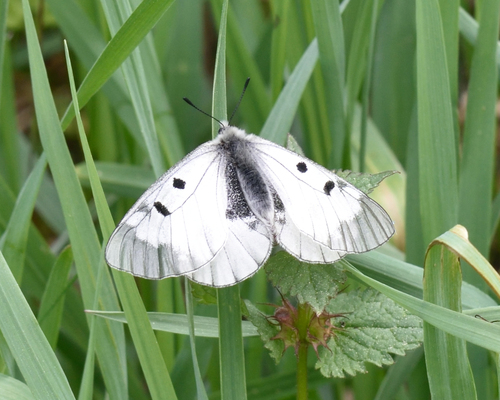
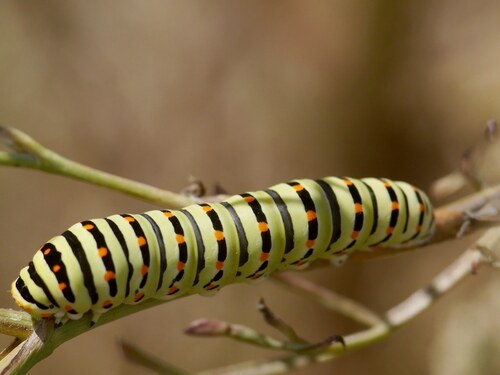
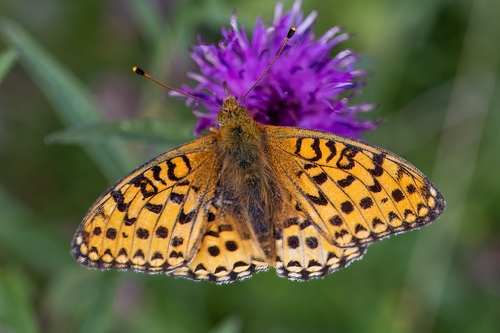
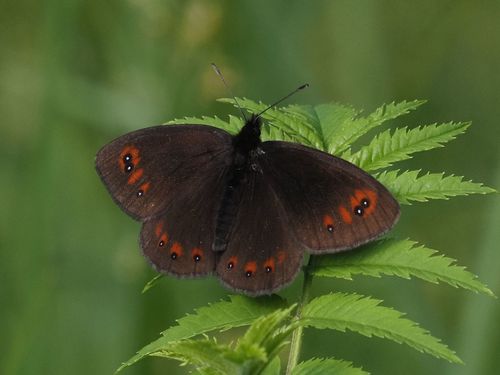
Closest Relatives at Pyrénées National Park
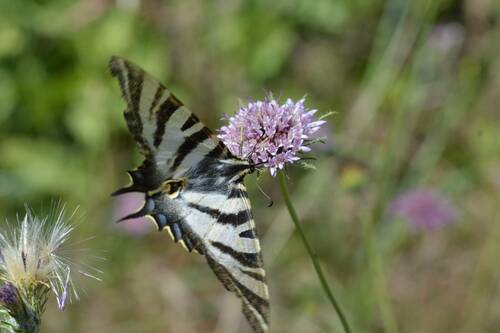
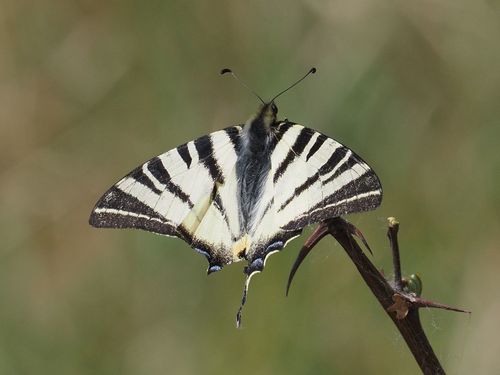
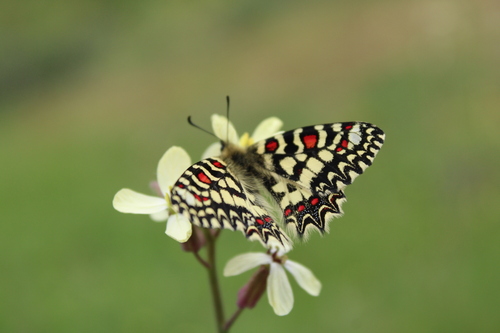




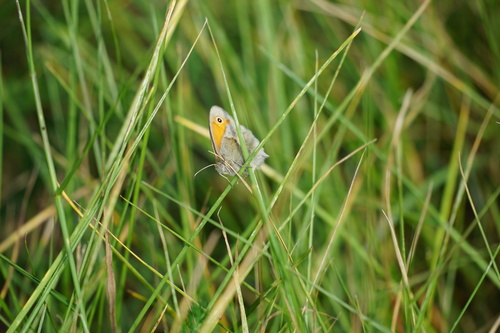
Before you go
What are the chances of seeing an Apollo in Pyrénées National Park?
Possible
About 30% of wildlife watchers report an Apollo sighting in Pyrénées National Park on a given day, based on 356 verified sightings from GBIF citizen-science data from 2019 to 2026. It is the 4th most-seen of the 1277 insects we can rate there. Over three days the chance rises to about 60%, and over a week to about 90%, if each day is a fresh chance.
When is the best time to see an Apollo in Pyrénées National Park?
July
In that month about 40% of wildlife watchers report an Apollo in Pyrénées National Park on a given day, against under 5% in October to March, the lowest months.
What time of day is best to see an Apollo?
Between 11 am and 2 pm
Across all the parks we cover, that three-hour window holds the most Apollo sightings with a recorded time, and about 9 in 10 of them come between 6 am and 6 pm: it is a daytime animal.
Is Pyrénées National Park the best place to see an Apollo?
5th of 11
Of the 11 parks where we can rate Apollo sightings, Pyrénées National Park ranks 5th at about 30%. The best odds are in Vanoise National Park (France, about 50%), Mercantour National Park (France, about 50%) and Aigüestortes National Park (Spain, about 50%). All parks ranked.
Where does the Apollo sighting chance come from?
GBIF citizen-science records
It is estimated from how often the Apollo is recorded against all the insects logged in Pyrénées National Park (356 verified sightings from 2019 to 2026), calibrated against known sighting rates. Figures are rounded to the nearest 10% because citizen-science data supports honest approximations, not decimals, and months with records from fewer than five people show "—". How it works.
