Brown Hawker

Brown Hawker

Aeshna grandis

Daily sighting probability ~10% · With luck
at Pyrénées National Park

In 3 days ~20% in a week ~40%

35 Verified sightings at Pyrénées National Park From 2019 to 2026
44 In all 2 parks
July Best month
☀️ Diurnal When it's spotted

About the Brown Hawker

The brown hawker (Aeshna grandis) is a species of large Palearctic dragonfly belonging to the family Aeshnidae, the hawkers. This species is found in Europe and temperate Asia, except the far east of Asia. The brown hawker was first formally described as Libellula grandis by Carl Linnaeus in the 10 edition of Systema Naturae published in 1758. It is now classified in the genus Aeshna in the family Aeshnidae, the hawkers, in the order Odonata, the dragonflies and damselflies. This species is the type species of the genus Aeshna.

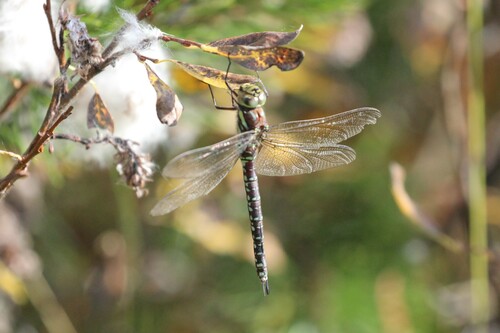
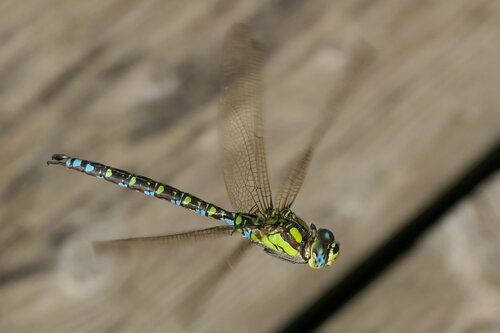
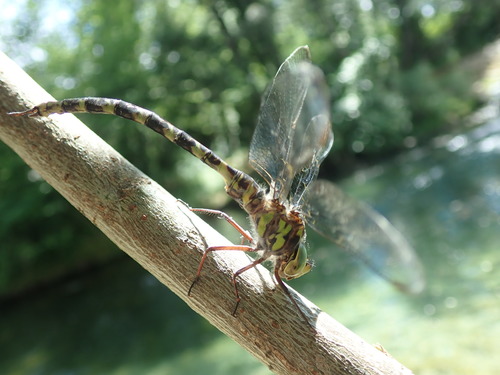
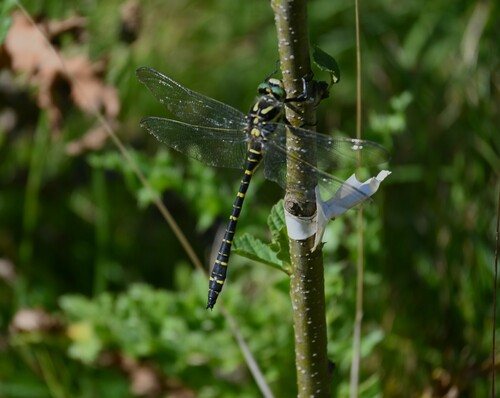
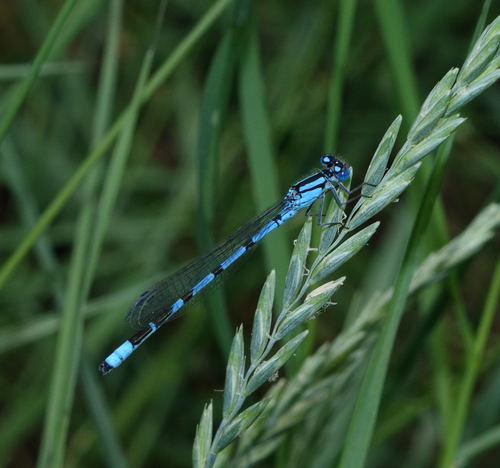
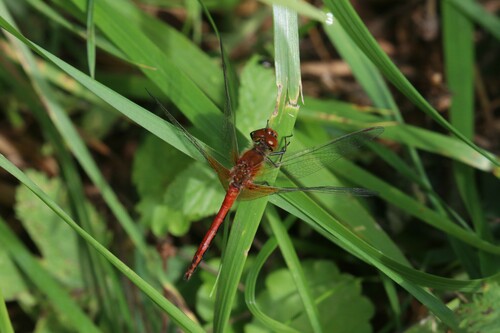
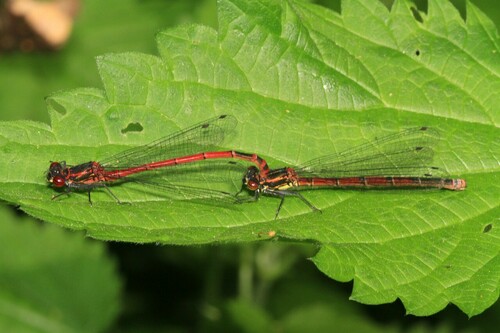
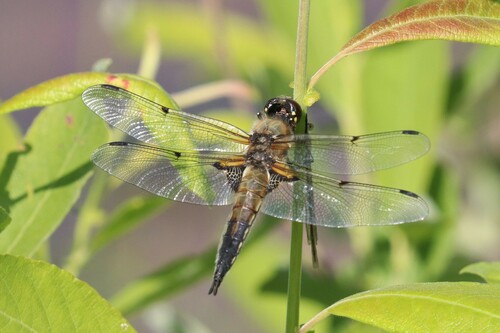
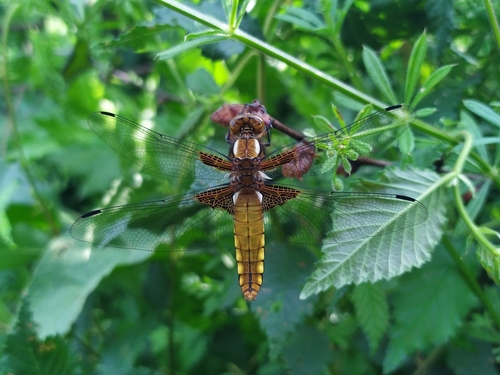
The brown hawker is a large dragonfly with a body length of 73 mm (2.9 in). The body is brown marked with yellow stripes in the thorax and the wings are tinged brown. The males have small markings of blue and yellow and are noticeably waisted, and the females have small yellow markings. The nymphs are long and streamlined, 40–46 mm (1.6–1.8 in) in length, with banded legs, stripes on the head and thorax, a wide facial mask and a spine on each side of the sixth abdominal segment.

The brown hawker is found from southern Great Britain and Ireland east through Europe, including much of Fennoscandia into... Wikipedia →
Global Distribution

Parks Where Found

# Park Country Daily sighting probability
1 Pyrénées National Park 🇫🇷 France
~10%
2 Wadden Sea National Park 🇩🇪 Germany
<5%

Cities Where Found

# City Country Daily sighting probability
1 Manchester 🇬🇧 United Kingdom
~10%
2 Leeds 🇬🇧 United Kingdom
~10%
3 Helsinki 🇫🇮 Finland
~10%
4 Birmingham 🇬🇧 United Kingdom
~10%
5 Novosibirsk 🇷🇺 Russia
~10%
6 Liverpool 🇬🇧 United Kingdom
~10%
7 Minsk 🇧🇾 Belarus
~10%
8 Stockholm 🇸🇪 Sweden
<5%
9 Copenhagen 🇩🇰 Denmark
<5%
10 Moscow 🇷🇺 Russia
<5%

Before you go

What are the chances of seeing a Brown Hawker in Pyrénées National Park?

With luck

About 10% of wildlife watchers report a Brown Hawker sighting in Pyrénées National Park on a given day, based on 35 verified sightings from GBIF citizen-science data from 2019 to 2026. It is the 403rd most-seen of the 1277 insects we can rate there. Over three days the chance rises to about 20%, and over a week to about 40%, if each day is a fresh chance.

When is the best time to see a Brown Hawker in Pyrénées National Park?

July and August

In those months about 10% of wildlife watchers report a Brown Hawker in Pyrénées National Park on a given day, against under 5% in September to June, the lowest months.

What time of day is best to see a Brown Hawker?

Between 10 am and 1 pm

Across all the parks we cover, that three-hour window holds the most Brown Hawker sightings with a recorded time, and nearly all of them come between 6 am and 6 pm: it is a daytime animal.

Is Pyrénées National Park the best place to see a Brown Hawker?

Yes

Of the 2 parks where we can rate Brown Hawker sightings, Pyrénées National Park has the highest daily chance: about 10%. Next come Wadden Sea National Park (Germany, under 5%).

Which relatives of the Brown Hawker live in Pyrénées National Park?

Same genus: Aeshna

The closest relatives of the Brown Hawker that you can see in Pyrénées National Park (genus Aeshna, Hawkers and Typical Darners) are Sedge Darner (about 10%) and Southern Hawker (about 10%), with each one's daily chance of a sighting.

Where does the Brown Hawker sighting chance come from?

GBIF citizen-science records

It is estimated from how often the Brown Hawker is recorded against all the insects logged in Pyrénées National Park (35 verified sightings from 2019 to 2026), calibrated against known sighting rates. Figures are rounded to the nearest 10% because citizen-science data supports honest approximations, not decimals, and months with records from fewer than five people show "—". How it works.

← Back to Pyrénées National Park