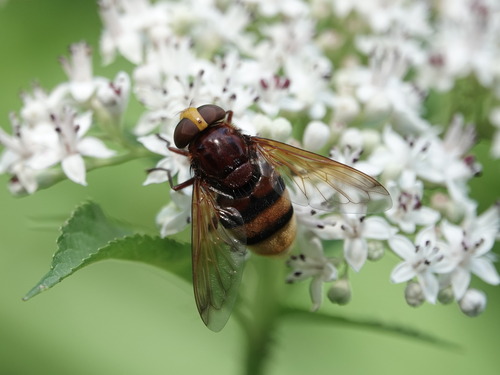
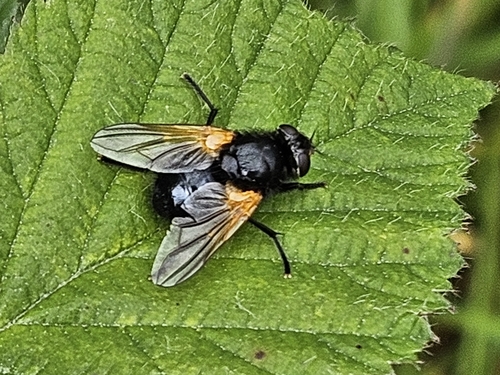
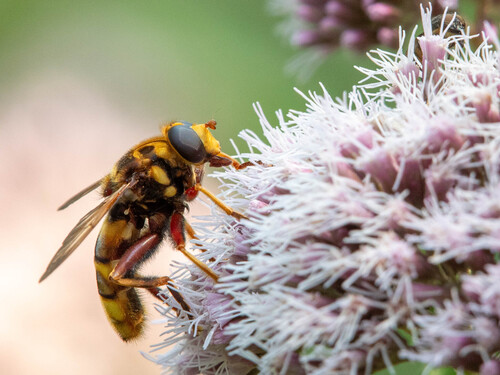
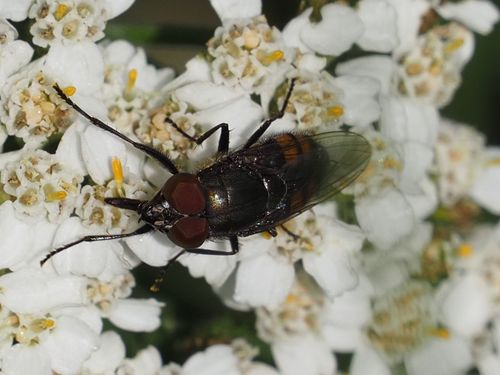
Cephenemyia stimulator

Cephenemyia stimulator

Cephenemyia stimulator

Daily sighting probability ~10% · With luck
at Pyrénées National Park

In 3 days ~10% in a week ~30%

14 Verified sightings at Pyrénées National Park From 2019 to 2026
14 In 1 park
September Best month
☀️ Diurnal When it's spotted

About the Cephenemyia stimulator

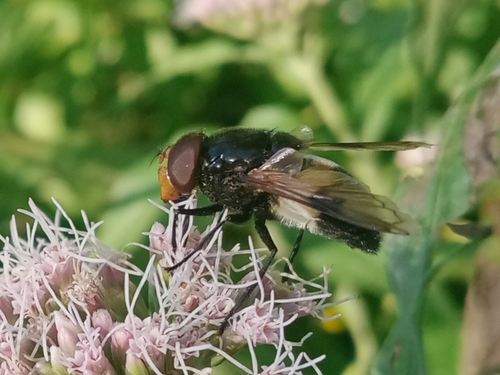
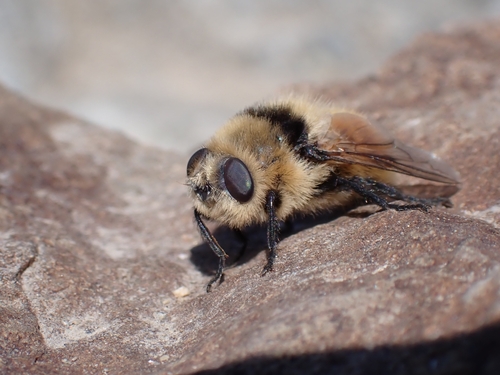
The name deer botfly (also deer nose botfly) refers to any species in the genus Cephenemyia (sometimes misspelled as Cephenomyia or Cephenemya), within the family Oestridae. They are large, gray-brown flies, often very accurate mimics of bumblebees. They attack chiefly the nostrils and pharyngeal cavity of members of the deer family. The larva of Cephenemyia auribarbis, infesting the stag, is called a stagworm. The genus name comes from the Greek kēphēn, meaning 'drone bee', and myia, meaning 'fly'.

The larval stages of Cephenemyia are obligate parasites of cervids. Eggs hatch in the uterus of the female fly. She then flies close to the head of her host species and while hovering ejects her larvae into its nostrils. Larvae migrate to the base of the animal's tongue, where they mature in clusters to a size of 25 to 36 mm (0.98 to 1.42 in). After being ejected by the host, they pupate in soil (2 to 3 weeks) before emerging as a sexually-mature but non-feeding adult, which must quickly find a mate, since their lifespan is short.

Aristotle (384 BC–322 BC) described deer botfly larvae as follows: However, without any exception, stags are found to have maggots living inside... Wikipedia →

Global Distribution

Parks Where Found

# Park Country Daily sighting probability
1 Pyrénées National Park 🇫🇷 France
~10%

More parks will be added in future updates.

Before you go

What are the chances of seeing a Cephenemyia stimulator in Pyrénées National Park?

With luck

About 10% of wildlife watchers report a Cephenemyia stimulator sighting in Pyrénées National Park on a given day, based on 14 verified sightings from GBIF citizen-science data from 2019 to 2026. It is the 576th most-seen of the 1277 insects we can rate there. Over three days the chance rises to about 10%, and over a week to about 30%, if each day is a fresh chance.

When is the best time to see a Cephenemyia stimulator in Pyrénées National Park?

June to September

In those months about 10% of wildlife watchers report a Cephenemyia stimulator in Pyrénées National Park on a given day, against under 5% in October to May, the lowest months.

What time of day is best to see a Cephenemyia stimulator?

Between noon and 3 pm

Across all the parks we cover, that three-hour window holds the most Cephenemyia stimulator sightings with a recorded time, and nearly all of them come between 6 am and 6 pm: it is a daytime animal.

Where else can you see a Cephenemyia stimulator?

Only Pyrénées National Park, in our data

Pyrénées National Park is the only park on Wallace's Line with enough records to rate Cephenemyia stimulator sightings: about 10% of wildlife watchers there report one on a given day.

Which relatives of the Cephenemyia stimulator live in Pyrénées National Park?

Same order: Diptera

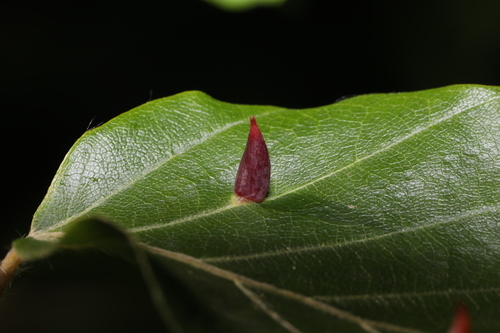
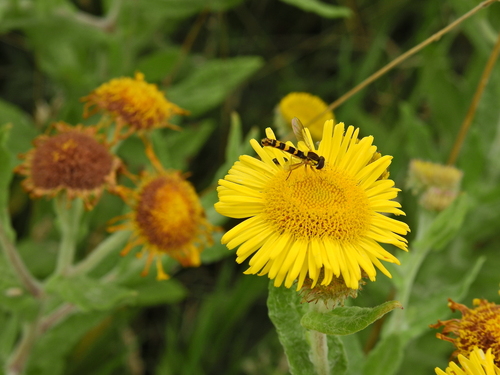
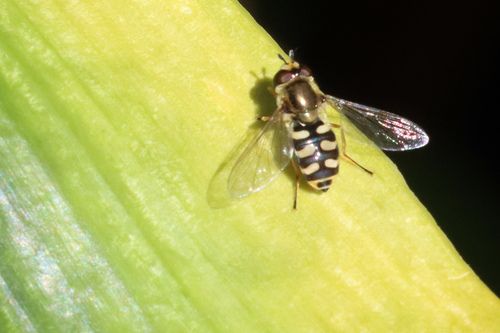
The closest relatives of the Cephenemyia stimulator that you can see in Pyrénées National Park (order Diptera, Flies) are Common Drone Fly (about 10%), Tapered Drone Fly (about 10%) and Beech Gall Midge (about 10%), with each one's daily chance of a sighting.

Where does the Cephenemyia stimulator sighting chance come from?

GBIF citizen-science records

It is estimated from how often the Cephenemyia stimulator is recorded against all the insects logged in Pyrénées National Park (14 verified sightings from 2019 to 2026), calibrated against known sighting rates. Figures are rounded to the nearest 10% because citizen-science data supports honest approximations, not decimals, and months with records from fewer than five people show "—". How it works.

← Back to Pyrénées National Park