Lily Bush-Cricket

Lily Bush-Cricket

Tylopsis lilifolia

Daily sighting probability <5% · Rare
at Pyrénées National Park

In 3 days ~10% in a week ~20%

12 Verified sightings at Pyrénées National Park From 2019 to 2026
73 In all 2 parks
July Best month
☀️ Diurnal When it's spotted

About the Lily Bush-Cricket

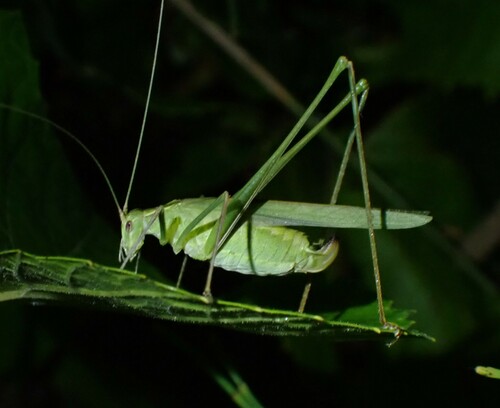
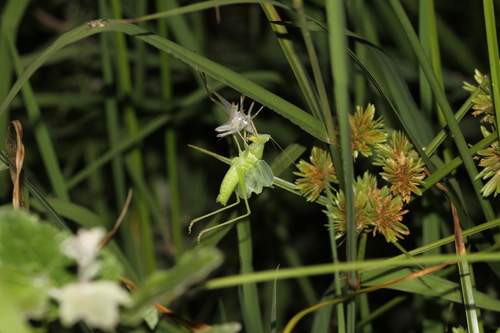
Tylopsis lilifolia, also known as lily bush-cricket or white sickle bush-cricket, is a species of Orthopterans in the subfamily Phaneropterinae. It is found in Europe and Asia. This species is present especially in southern Europe and it is widespread in the Mediterranean region. It can also be found in the Lebanon and Israel; and in the Caucasus. It mainly inhabits sunny meadows, shrubs and forest clearings.

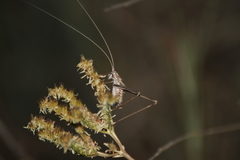
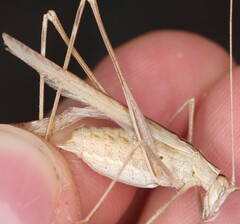
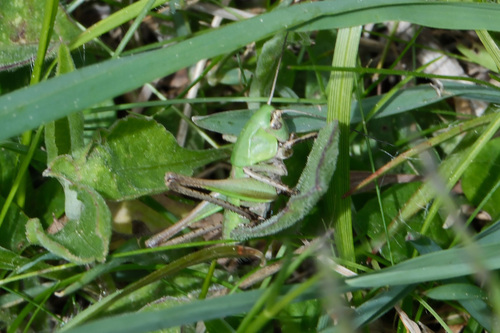
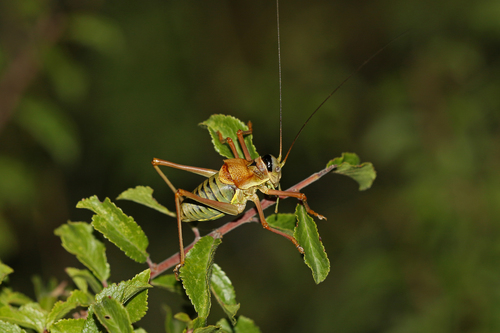
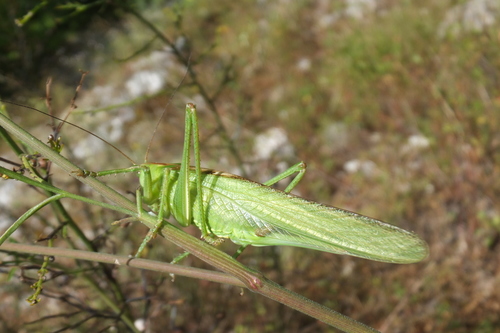
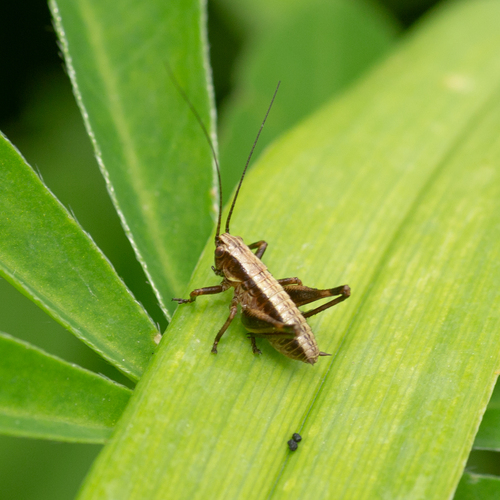
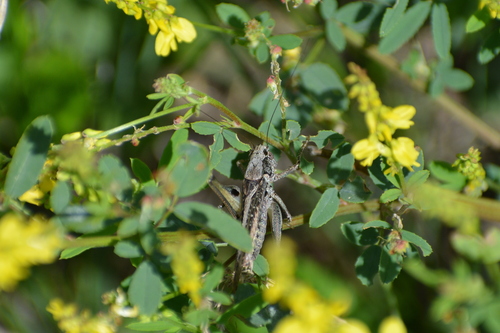
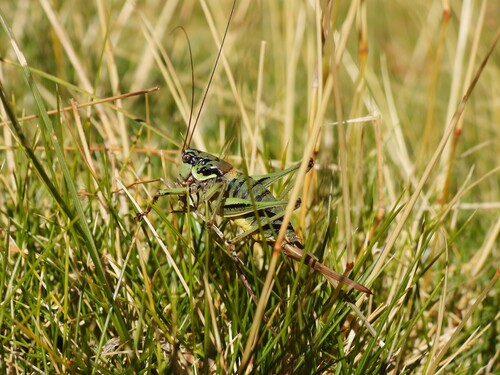
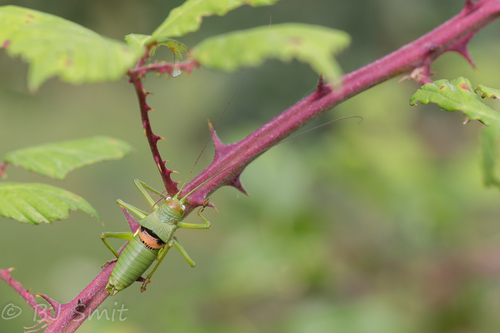
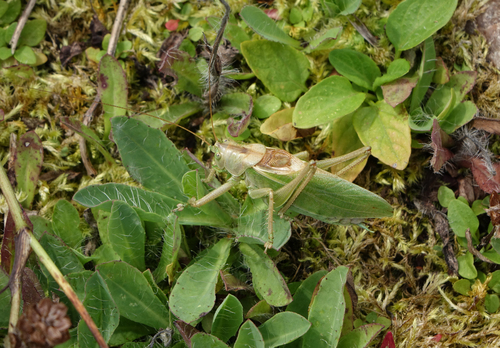
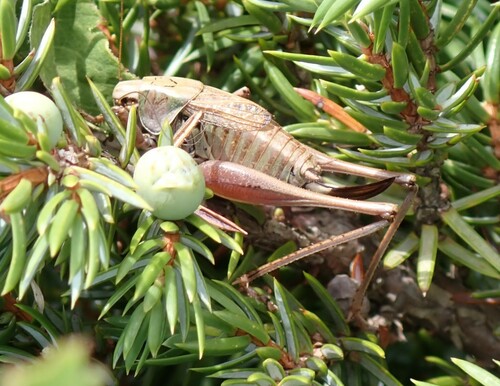
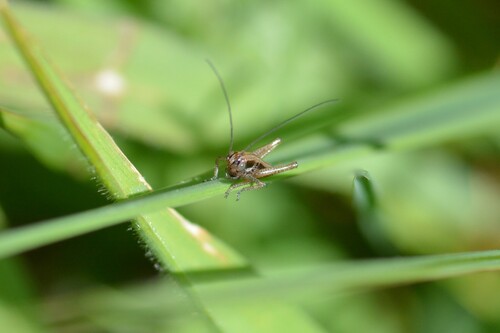
The adult males grow up to 13–22 millimetres (0.51–0.87 in) long, while females can reach 16–23 millimetres (0.63–0.91 in) of length. This species has two different forms of color. The basic coloration of the body varies from olive green or pale green to light brown with a brown-yellowish longitudinal band on the back. Head, legs and wings are green. The legs are long and thin, with small spines. The antennae are very long, they reach up to five times the body length. The ovipositor is about 4–5 millimetres (0.16–0.20 in) long and curved upward. In the dry grasslands it is common a brown form of the body.

Adults can be encountered from August through October. Ragge (1964). "A revision of the genus... Wikipedia →

Global Distribution

Parks Where Found

# Park Country Daily sighting probability
1 Cévennes National Park 🇫🇷 France
~10%
2 Pyrénées National Park 🇫🇷 France
<5%

Cities Where Found

# City Country Daily sighting probability
1 Istanbul 🇹🇷 Turkey
<5%

Before you go

What are the chances of seeing a Lily Bush-Cricket in Pyrénées National Park?

Rare

Under 5% of wildlife watchers report a Lily Bush-Cricket sighting in Pyrénées National Park on a given day, based on 12 verified sightings from GBIF citizen-science data from 2019 to 2026. It is the 869th most-seen of the 1277 insects we can rate there. Over three days the chance rises to about 10%, and over a week to about 20%, if each day is a fresh chance.

When is the best time to see a Lily Bush-Cricket in Pyrénées National Park?

July and September–October

In those months about 10% of wildlife watchers report a Lily Bush-Cricket in Pyrénées National Park on a given day, against under 5% in August and November–June, the lowest months.

What time of day is best to see a Lily Bush-Cricket?

Between 9 am and noon

Across all the parks we cover, that three-hour window holds the most Lily Bush-Cricket sightings with a recorded time, and about 7 in 10 of them come between 6 am and 6 pm: it is a daytime animal.

Is Pyrénées National Park the best place to see a Lily Bush-Cricket?

2nd of 2

Of the 2 parks where we can rate Lily Bush-Cricket sightings, Pyrénées National Park ranks 2nd at under 5%. The best odds are in Cévennes National Park (France, about 10%).

Which relatives of the Lily Bush-Cricket live in Pyrénées National Park?

Same family: Tettigoniidae

The closest relatives of the Lily Bush-Cricket that you can see in Pyrénées National Park (family Tettigoniidae, Katydids) are Wart-Biter (about 20%), Western Saddle Bush-Cricket (about 20%) and Great Green Bush-Cricket (about 20%), with each one's daily chance of a sighting.

Where does the Lily Bush-Cricket sighting chance come from?

GBIF citizen-science records

It is estimated from how often the Lily Bush-Cricket is recorded against all the insects logged in Pyrénées National Park (12 verified sightings from 2019 to 2026), calibrated against known sighting rates. Figures are rounded to the nearest 10% because citizen-science data supports honest approximations, not decimals, and months with records from fewer than five people show "—". How it works.

← Back to Pyrénées National Park