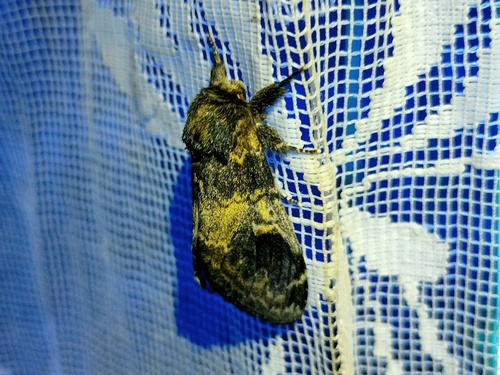
Lobster Moth

Lobster Moth

Stauropus fagi

Daily sighting probability ~10% · With luck
at Pyrénées National Park

In 3 days ~20% in a week ~50%

46 Verified sightings at Pyrénées National Park From 2019 to 2026
98 In all 4 parks
May Best month
☀️🌙 Day & Night When it's spotted

About the Lobster Moth

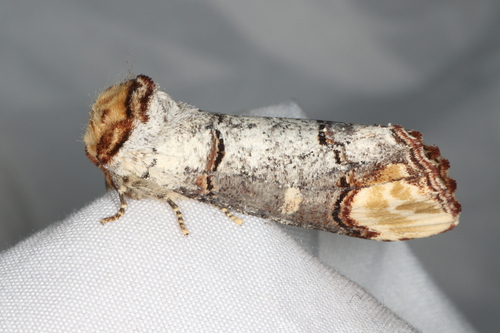
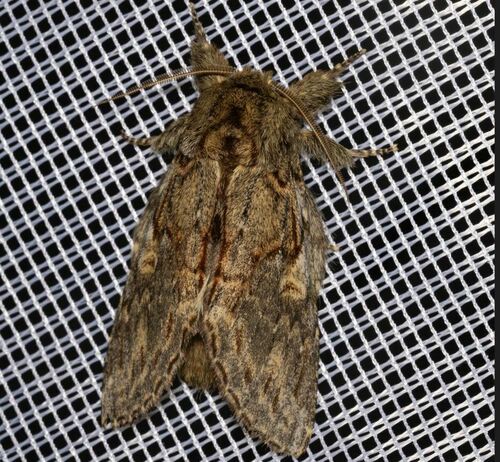
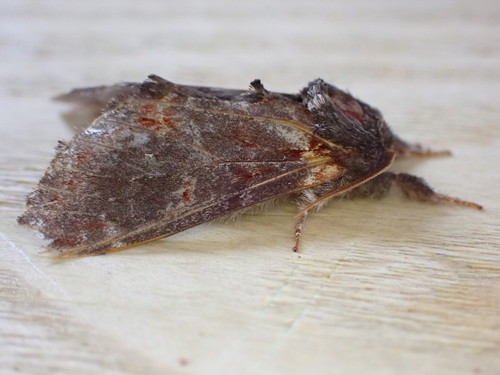
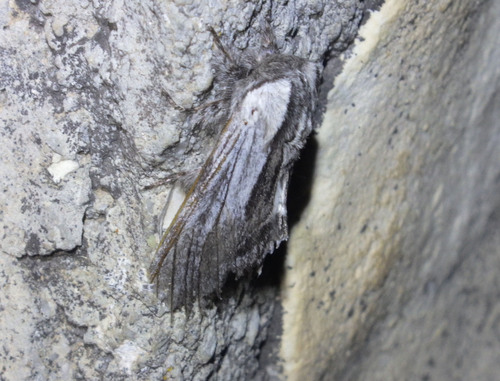
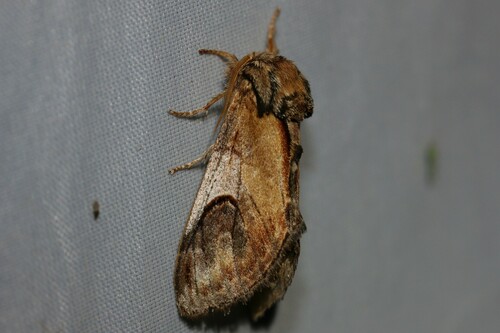
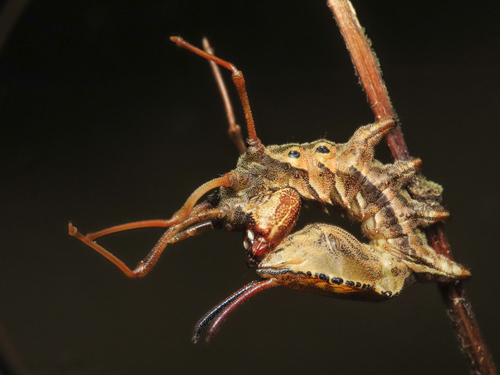
The lobster moth (Stauropus fagi), also known as lobster prominent, is a moth from the family Notodontidae. The species was first described by Carl Linnaeus in his 10th edition of Systema Naturae. The English common name refers to the crustacean-like appearance of the caterpillar.

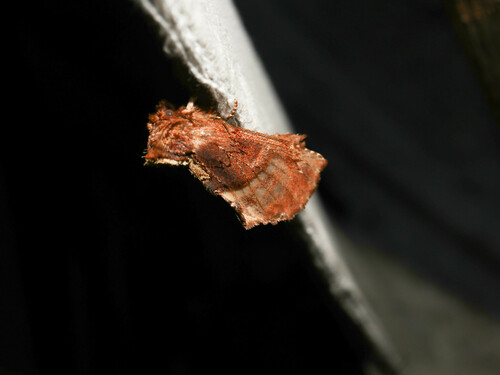
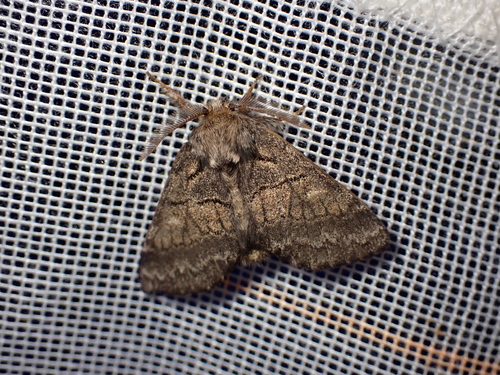
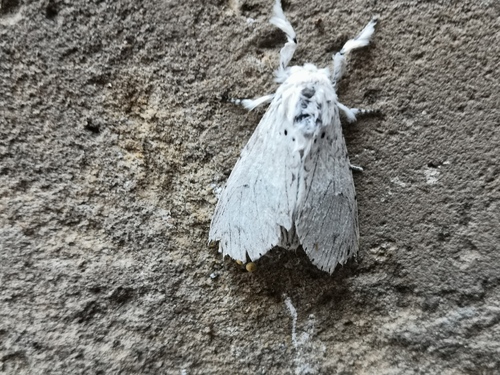
The moth has a wingspan ranging from 40 to 70 millimetres. The forewings are grey to grey-brown or green-brown, while the distal part has a slightly lighter colour. There are two bright, jagged crossbands, which are often only dimly visible on the front wings. Between these, the midfield of the wing is usually slightly darker. The hindwings are similar in colour but unmarked.

Wings grey-brown; forewing with light grey base and black basal dot, a pale dentate band at the border of the light basal area and another in the centre, before the margin a row of dark submarginal dots which are edged with white proximally; hind margin usually red-brown. Hindwing with some light spots in the centre of the costal margin. Antennae red-brown, head and thorax grey-brown to mouse-grey, abdomen lighter. Underside of forewing light grey-brown, of hindwing and abdomen light greyish... Wikipedia →
Global Distribution

Parks Where Found

# Park Country Daily sighting probability
1 Pyrénées National Park 🇫🇷 France
~10%
2 Cévennes National Park 🇫🇷 France
~10%
3 Snowdonia National Park 🇬🇧 United Kingdom
~10%
4 Bavarian Forest National Park 🇩🇪 Germany
~10%

Cities Where Found

# City Country Daily sighting probability
1 Porto 🇵🇹 Portugal
~10%
2 Essen 🇩🇪 Germany
<5%
3 Vienna 🇦🇹 Austria
<5%
4 Tokyo 🇯🇵 Japan
<5%
5 London 🇬🇧 United Kingdom
<5%

Before you go

What are the chances of seeing a Lobster Moth in Pyrénées National Park?

With luck

About 10% of wildlife watchers report a Lobster Moth sighting in Pyrénées National Park on a given day, based on 46 verified sightings from GBIF citizen-science data from 2019 to 2026. It is the 189th most-seen of the 1277 insects we can rate there. Over three days the chance rises to about 20%, and over a week to about 50%, if each day is a fresh chance.

When is the best time to see a Lobster Moth in Pyrénées National Park?

March to October

In those months about 10% of wildlife watchers report a Lobster Moth in Pyrénées National Park on a given day, against under 5% in November to February, the lowest months.

What time of day is best to see a Lobster Moth?

Between 11 pm and 2 am

Across all the parks we cover, that three-hour window holds the most Lobster Moth sightings with a recorded time, and about half of them come between 6 pm and 6 am: it is seen both by day and at night.

Is Pyrénées National Park the best place to see a Lobster Moth?

Yes

Of the 4 parks where we can rate Lobster Moth sightings, Pyrénées National Park has the highest daily chance: about 10%. Next come Cévennes National Park (France, about 10%) and Snowdonia National Park (United Kingdom, about 10%).

Which relatives of the Lobster Moth live in Pyrénées National Park?

Same family: Notodontidae

The closest relatives of the Lobster Moth that you can see in Pyrénées National Park (family Notodontidae, Prominent Moths) are Pine Processionary-Moth (about 10%), Buff-Tip (about 10%) and Pale Prominent (about 10%), with each one's daily chance of a sighting.

Where does the Lobster Moth sighting chance come from?

GBIF citizen-science records

It is estimated from how often the Lobster Moth is recorded against all the insects logged in Pyrénées National Park (46 verified sightings from 2019 to 2026), calibrated against known sighting rates. Figures are rounded to the nearest 10% because citizen-science data supports honest approximations, not decimals, and months with records from fewer than five people show "—". How it works.

← Back to Pyrénées National Park