Shoulder-Stripe

Shoulder-Stripe

Anticlea badiata

Daily sighting probability <5% · Rare
at Pyrénées National Park

In 3 days ~10% in a week ~20%

6 Verified sightings at Pyrénées National Park From 2019 to 2026
82 In all 4 parks
February Best month
🌅 Crepuscular When it's spotted

About the Shoulder-Stripe

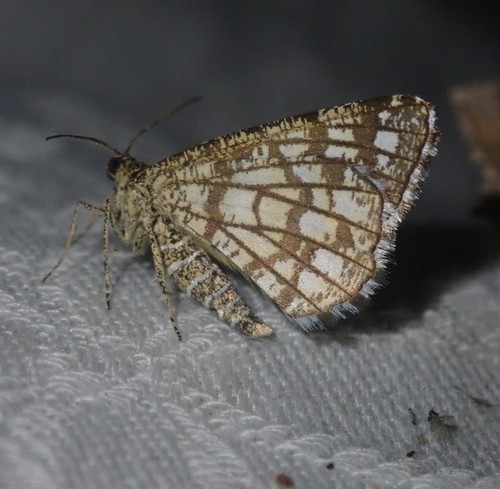
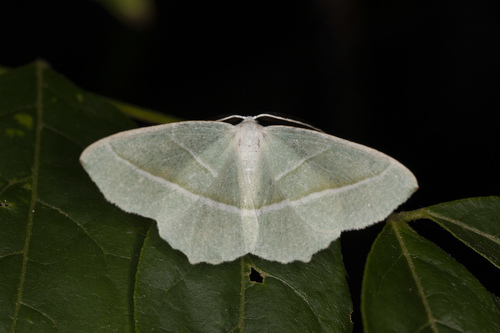
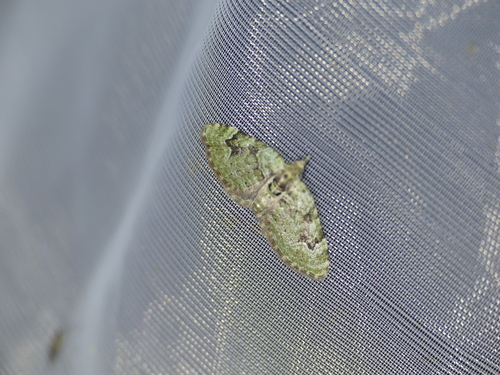
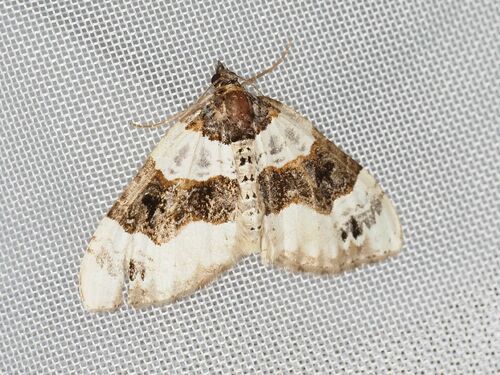
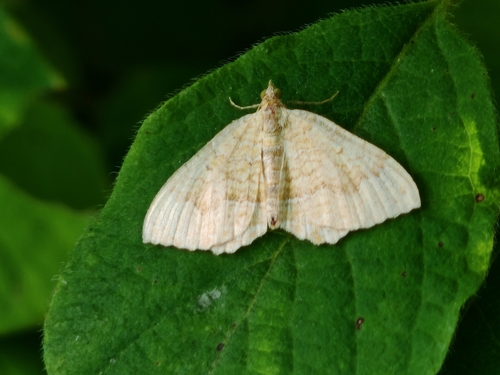
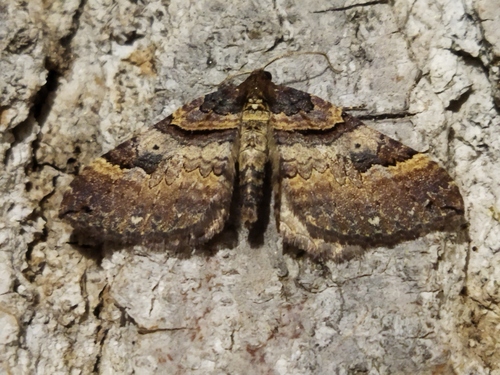
Earophila badiata, the shoulder stripe, is a moth of the family Geometridae. The species was first described by Michael Denis and Ignaz Schiffermüller in 1775. It is found from most of Europe and North Africa to the Altai Mountains in the east Palearctic.

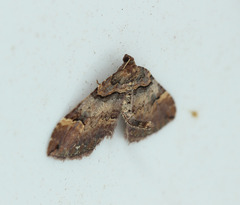
The wingspan is 25–30 mm. Adults are variable in colour and size.ab. pallida Lambill. is paler, the basal area little darkened, distal not darkened, the median band whitish, without a blue-grey spot distally to the cell.; ab. rectifasciaria Lambill. has the pale median area one-third broader than usual and not traversed by lines, the lines which bound it sharply marked. — ab. alpestris Neuburger, from the Tyrol, (at 3400 m) has the median area brown, the distal moderately darkened with no pale part and the hindwing also somewhat

browner; in ab. subbadiata Strand the median band is pale, narrow, interrupted in the middle, the posterior part sometimes broken up into spots. The Larva is elongate, cylindrical; head rounded, distinct, orange with a large black spot on side; body very variable in colour dorsally, green, purple or slaty grey, a dark spot on side of prothoracic leg, another dorsally on the 10th abdominal segment, dorsal tubercles white, lateral tubercles black. The rather stout pupa is dark glossy red-brown, the anal segment black, the cremaster short and thick.

Adults are on wing from mid March to May in two generations. The larvae feed on Rosa species. Larvae can be found from March to July. It overwinters as a pupa in loose soil. Wikipedia →
Global Distribution

Parks Where Found

# Park Country Daily sighting probability
1 Wadden Sea National Park 🇩🇪 Germany
~10%
2 Sierra de Guadarrama National Park 🇪🇸 Spain
~10%
3 Bavarian Forest National Park 🇩🇪 Germany
<5%
4 Pyrénées National Park 🇫🇷 France
<5%

Cities Where Found

# City Country Daily sighting probability
1 Prague 🇨🇿 Czechia
<5%

Before you go

What are the chances of seeing a Shoulder-Stripe in Pyrénées National Park?

Rare

Under 5% of wildlife watchers report a Shoulder-Stripe sighting in Pyrénées National Park on a given day, based on 6 verified sightings from GBIF citizen-science data from 2019 to 2026. It is the 1026th most-seen of the 1277 insects we can rate there. Over three days the chance rises to about 10%, and over a week to about 20%, if each day is a fresh chance.

When is the best time to see a Shoulder-Stripe in Pyrénées National Park?

February

In that month about 20% of wildlife watchers report a Shoulder-Stripe in Pyrénées National Park on a given day, against under 5% in April to January, the lowest months.

What time of day is best to see a Shoulder-Stripe?

Between 4 and 7 am

Across all the parks we cover, that three-hour window holds the most Shoulder-Stripe sightings with a recorded time, and about half of them come between 6 am and 6 pm: it is most active around dawn and dusk.

Which relatives of the Shoulder-Stripe live in Pyrénées National Park?

Same family: Geometridae

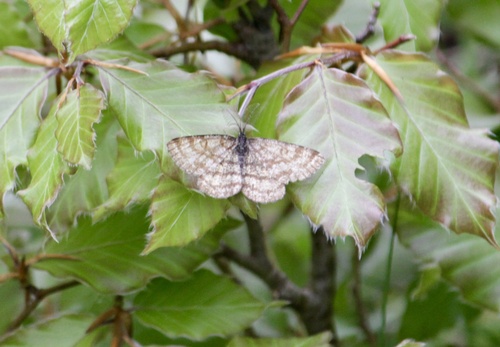
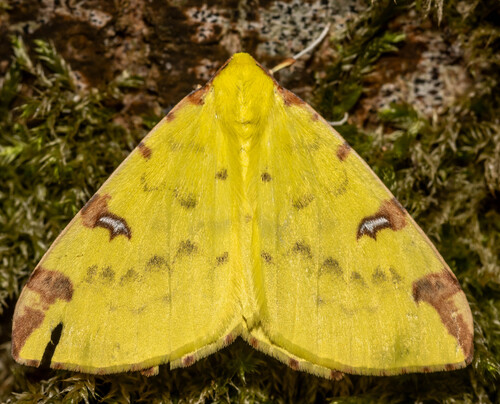
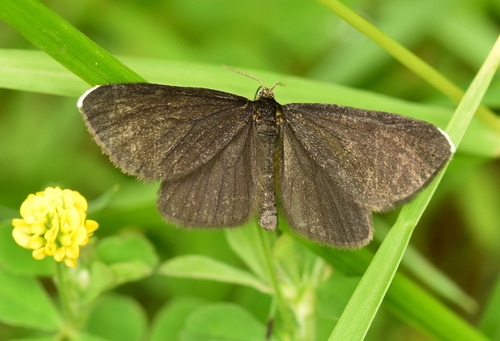
The closest relatives of the Shoulder-Stripe that you can see in Pyrénées National Park (family Geometridae, Geometer Moths) are Latticed Heath (about 10%), Common Heath (about 10%) and Willow Beauty (about 10%), with each one's daily chance of a sighting.

Where does the Shoulder-Stripe sighting chance come from?

GBIF citizen-science records

It is estimated from how often the Shoulder-Stripe is recorded against all the insects logged in Pyrénées National Park (6 verified sightings from 2019 to 2026), calibrated against known sighting rates. Figures are rounded to the nearest 10% because citizen-science data supports honest approximations, not decimals, and months with records from fewer than five people show "—". How it works.

← Back to Pyrénées National Park