Silver Cloud

Silver Cloud

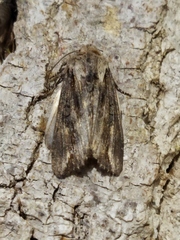
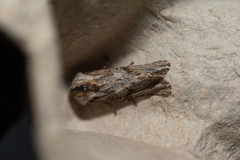
Egira conspicillaris

Daily sighting probability <5% · Rare
at Pyrénées National Park

In 3 days ~10% in a week ~20%

6 Verified sightings at Pyrénées National Park From 2019 to 2026
30 In all 3 parks
March Best month
🌙 Nocturnal When it's spotted

About the Silver Cloud

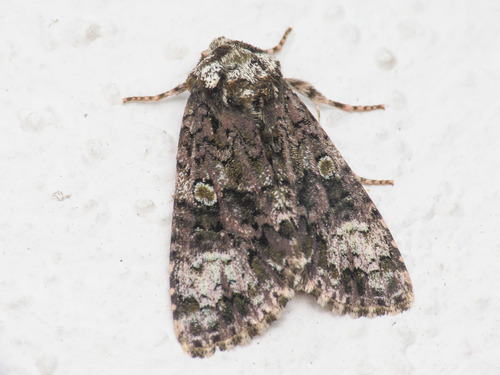
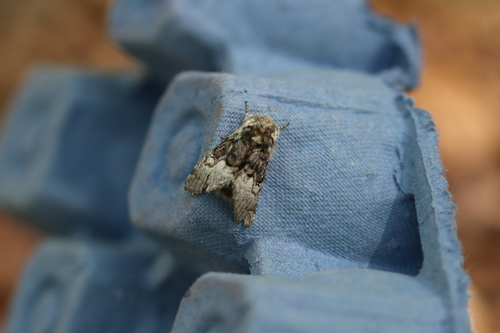
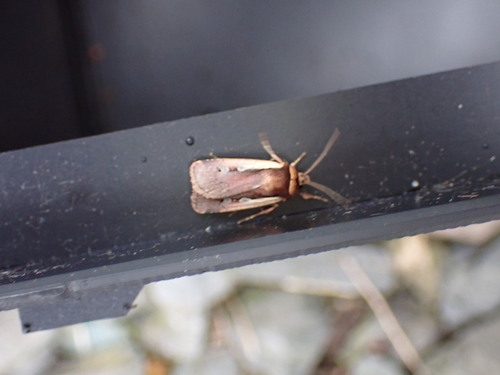
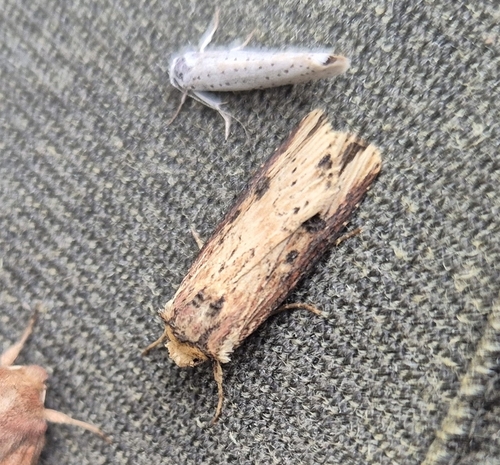
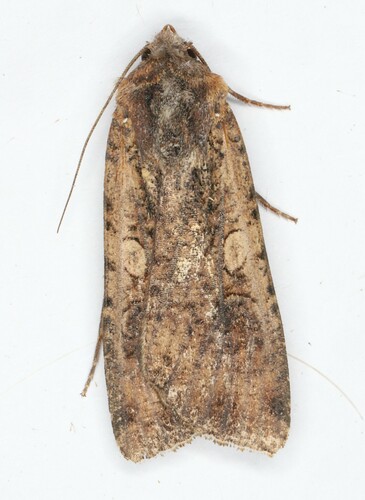
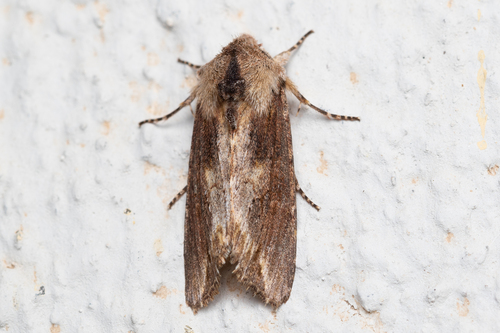
Egira conspicillaris, the silver cloud, is a moth of the family Noctuidae. The species was first described by Carl Linnaeus in his 1758 10th edition of Systema Naturae. It is found from the Iberian Peninsula to Russia. In the north it ranges to the Baltic Region and in the south to North Africa. It is also present in the Near East, up to the Caspian Sea.

The wingspan is 36–44 mm. Forewing pale lilac grey in lower half, becoming pale lilac brown in costal; markings usually much confused; inner line and median shade thick, brown; claviform stigma outlined with black; orbicular round, reniform large, both pale; outer line denoted by a row of black dashes on veins; marginal area beyond submarginal line darker; hindwing pearly white, slightly tinged with grey; the apex and veins brown; — ab. melaleuca View. has the forewing suffused with dark brown or black, except the inner area and a narrow praesubmarginal band, which are pearly grey or white; — in the ab. intermedia Tutt the outer costal half of wing is also pale brownish grey; both of these aberrations are commoner than the pale type form.

The hemispherical egg is stained with chalk white, but reddish yellow at the... Wikipedia →
Global Distribution

Parks Where Found

# Park Country Daily sighting probability
1 Sierra de Guadarrama National Park 🇪🇸 Spain
<5%
2 Cévennes National Park 🇫🇷 France
<5%
3 Pyrénées National Park 🇫🇷 France
<5%

Cities Where Found

# City Country Daily sighting probability
1 Vienna 🇦🇹 Austria
<5%
2 Prague 🇨🇿 Czechia
<5%
3 Paris 🇫🇷 France
<5%

Before you go

What are the chances of seeing a Silver Cloud in Pyrénées National Park?

Rare

Under 5% of wildlife watchers report a Silver Cloud sighting in Pyrénées National Park on a given day, based on 6 verified sightings from GBIF citizen-science data from 2019 to 2026. It is the 1026th most-seen of the 1277 insects we can rate there. Over three days the chance rises to about 10%, and over a week to about 20%, if each day is a fresh chance.

When is the best time to see a Silver Cloud in Pyrénées National Park?

March to May

In those months about 10% of wildlife watchers report a Silver Cloud in Pyrénées National Park on a given day, against under 5% in June to February, the lowest months.

What time of day is best to see a Silver Cloud?

Between 10 pm and 1 am

Across all the parks we cover, that three-hour window holds the most Silver Cloud sightings with a recorded time, and about 7 in 10 of them come between 6 pm and 6 am: it is mostly seen at night.

Is Pyrénées National Park the best place to see a Silver Cloud?

Among the best

Of the 3 parks where we can rate Silver Cloud sightings, Pyrénées National Park ranks 3rd at under 5%, level with the leaders once rounded. The best odds are in Sierra de Guadarrama National Park (Spain, under 5%) and Cévennes National Park (France, under 5%).

Which relatives of the Silver Cloud live in Pyrénées National Park?

Same family: Noctuidae

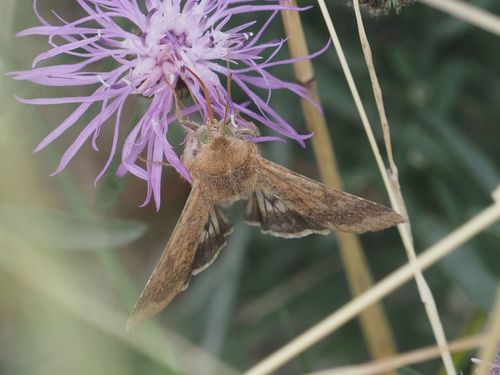
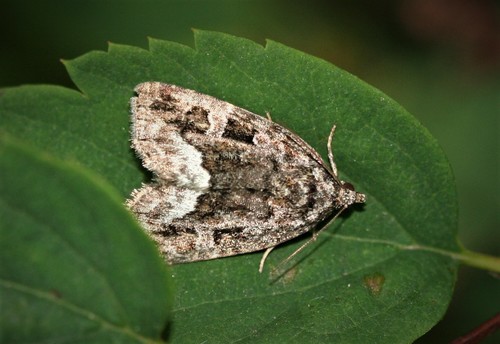
The closest relatives of the Silver Cloud that you can see in Pyrénées National Park (family Noctuidae, Cutworm Moths and Allies) are Silver Υ (about 10%), Cotton Bollworm Moth (about 10%) and Marbled White-Spot (about 10%), with each one's daily chance of a sighting.

Where does the Silver Cloud sighting chance come from?

GBIF citizen-science records

It is estimated from how often the Silver Cloud is recorded against all the insects logged in Pyrénées National Park (6 verified sightings from 2019 to 2026), calibrated against known sighting rates. Figures are rounded to the nearest 10% because citizen-science data supports honest approximations, not decimals, and months with records from fewer than five people show "—". How it works.

← Back to Pyrénées National Park