Spiny Shield Bug

Spiny Shield Bug

Picromerus bidens

Daily sighting probability <5% · Rare
at Pyrénées National Park

In 3 days ~10% in a week ~30%

13 Verified sightings at Pyrénées National Park From 2019 to 2026
36 In all 5 parks
November Best month
☀️ Diurnal When it's spotted

About the Spiny Shield Bug

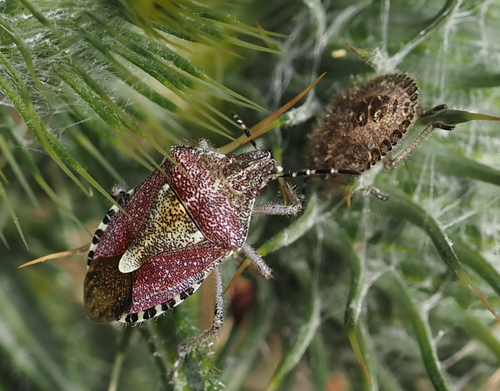
Picromerus bidens, the spiny shieldbug or spiked shieldbug, is a carnivorous species of shield bug in the family Pentatomidae. This species has a wide distribution in the Palaearctic, from 64°N to North Africa and from the British Isles to China. It has also been introduced, probably more than once, to North America, where it has been recorded from more than 180 sites.

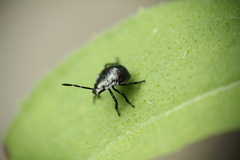
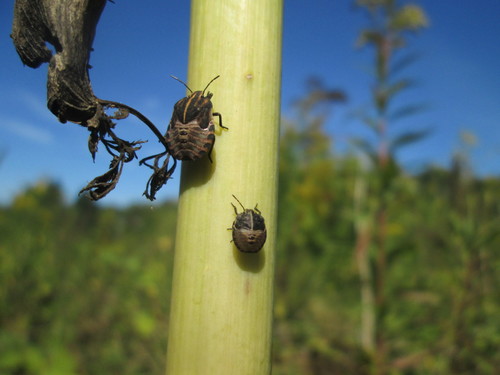
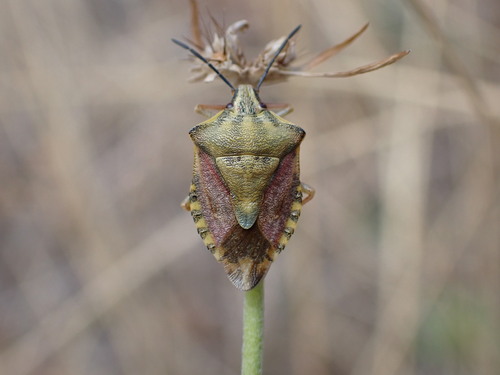
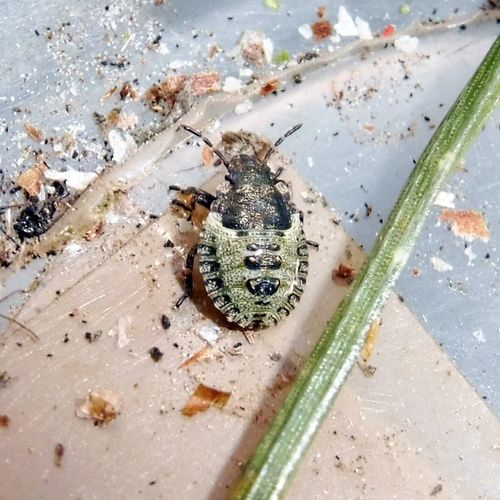
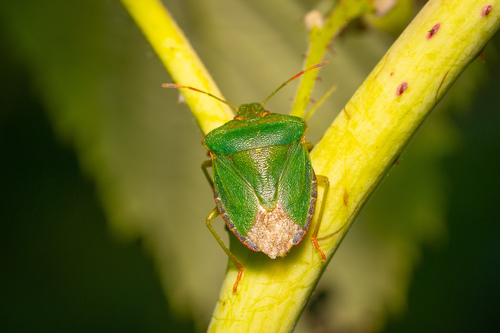
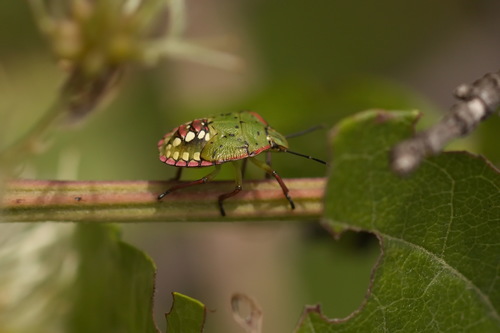
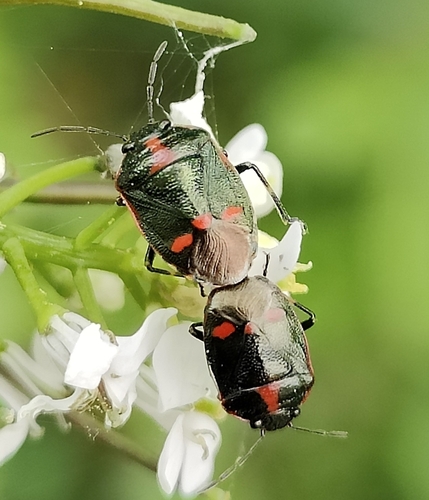
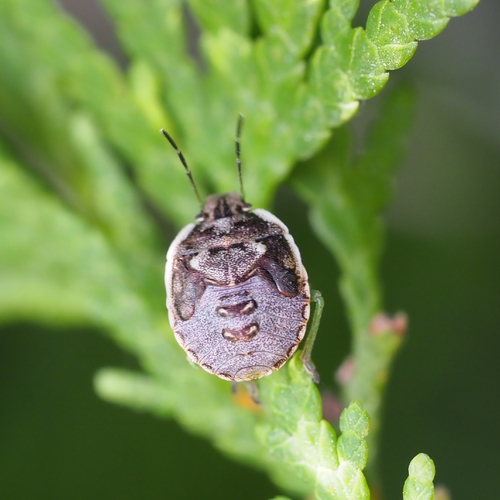
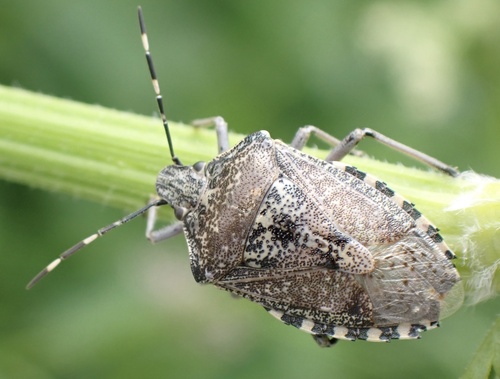
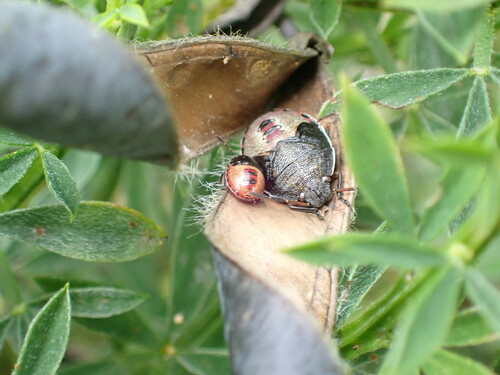
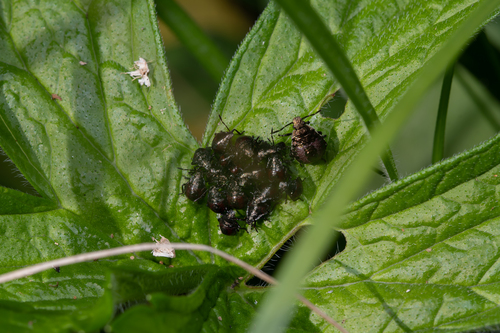
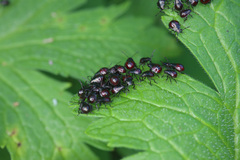
These bugs prefer deciduous and mixed forests, heathland, gardens, chalk downland and damp flower-rich meadows. Picromerus bidens is a large (12 to 13.5 mm long) and distinctive predatory shieldbug. It shows a thick rostrum directed away from head. Body colour is quite variable, generally light to dark brown or bluish, with red-brown antennae and legs and two unmistakable thornlike brown projections on the sides of the pronotum (hence the species name bidens, meaning "with two teeth"). Front femurs are armed with a ventral spine distally. The early instar nymphs are commonly reddish, while the final instar nymphs are greyish black, with banded antennae and legs.

Both adults and nymphs of the spiny shieldbugs are predatory, feeding on the larvae... Wikipedia →
Global Distribution

Parks Where Found

# Park Country Daily sighting probability
1 Vanoise National Park 🇫🇷 France
~10%
2 Pyrénées National Park 🇫🇷 France
<5%
3 Bavarian Forest National Park 🇩🇪 Germany
<5%
4 Cévennes National Park 🇫🇷 France
<5%
5 Wadden Sea National Park 🇩🇪 Germany
<5%

Cities Where Found

# City Country Daily sighting probability
1 Helsinki 🇫🇮 Finland
~10%
2 Birmingham 🇬🇧 United Kingdom
<5%
3 Warsaw 🇵🇱 Poland
<5%
4 Manchester 🇬🇧 United Kingdom
<5%
5 Toronto 🇨🇦 Canada
<5%
6 Saint Petersburg 🇷🇺 Russia
<5%
7 Moscow 🇷🇺 Russia
<5%

Before you go

What are the chances of seeing a Spiny Shield Bug in Pyrénées National Park?

Rare

Under 5% of wildlife watchers report a Spiny Shield Bug sighting in Pyrénées National Park on a given day, based on 13 verified sightings from GBIF citizen-science data from 2019 to 2026. It is the 610th most-seen of the 1277 insects we can rate there. Over three days the chance rises to about 10%, and over a week to about 30%, if each day is a fresh chance.

When is the best time to see a Spiny Shield Bug in Pyrénées National Park?

August–September and November

In those months about 10% of wildlife watchers report a Spiny Shield Bug in Pyrénées National Park on a given day, against under 5% in October and December–July, the lowest months.

What time of day is best to see a Spiny Shield Bug?

Between noon and 3 pm

Across all the parks we cover, that three-hour window holds the most Spiny Shield Bug sightings with a recorded time, and about 9 in 10 of them come between 6 am and 6 pm: it is a daytime animal.

Is Pyrénées National Park the best place to see a Spiny Shield Bug?

2nd of 5

Of the 5 parks where we can rate Spiny Shield Bug sightings, Pyrénées National Park ranks 2nd at under 5%. The best odds are in Vanoise National Park (France, about 10%).

Which relatives of the Spiny Shield Bug live in Pyrénées National Park?

Same family: Pentatomidae

The closest relatives of the Spiny Shield Bug that you can see in Pyrénées National Park (family Pentatomidae, Stink Bugs) are European Striped Shield Bug (about 20%), Black-Shouldered Shieldbug (about 20%) and Forest Bug (about 10%), with each one's daily chance of a sighting.

Where does the Spiny Shield Bug sighting chance come from?

GBIF citizen-science records

It is estimated from how often the Spiny Shield Bug is recorded against all the insects logged in Pyrénées National Park (13 verified sightings from 2019 to 2026), calibrated against known sighting rates. Figures are rounded to the nearest 10% because citizen-science data supports honest approximations, not decimals, and months with records from fewer than five people show "—". How it works.

← Back to Pyrénées National Park