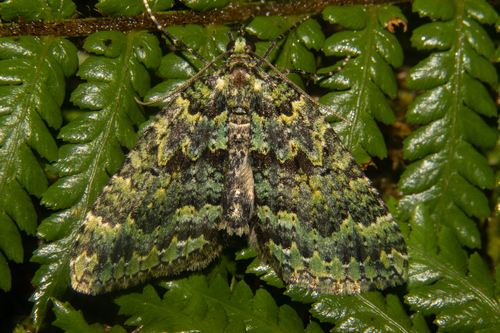
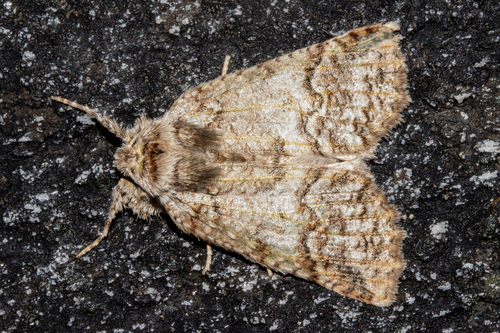
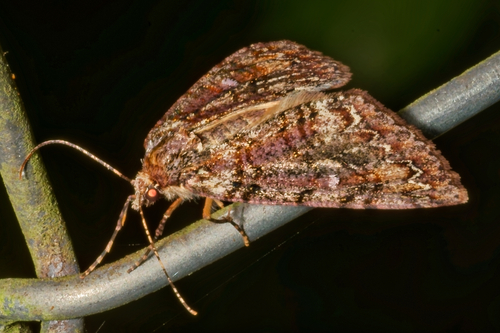
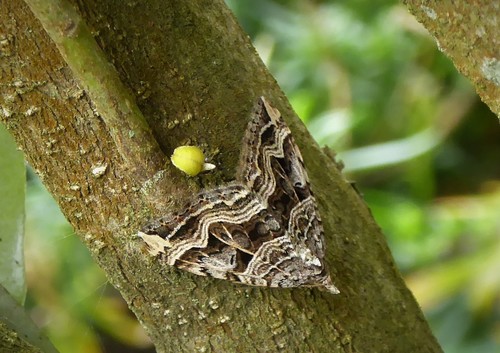
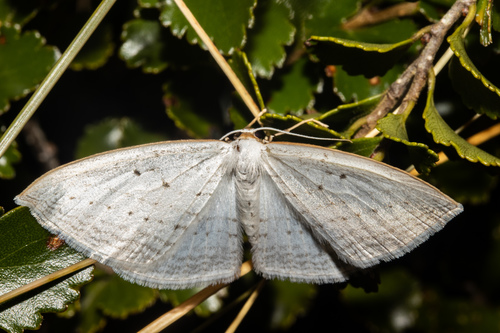
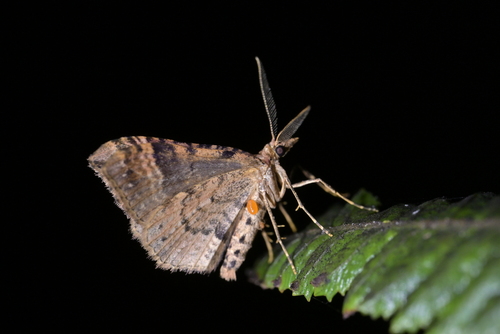
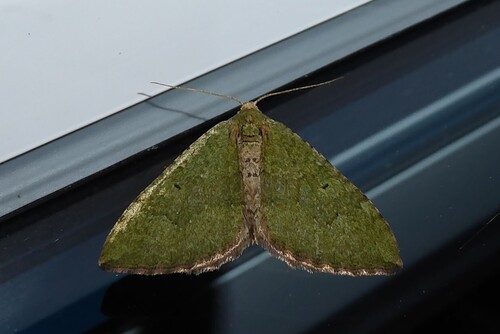
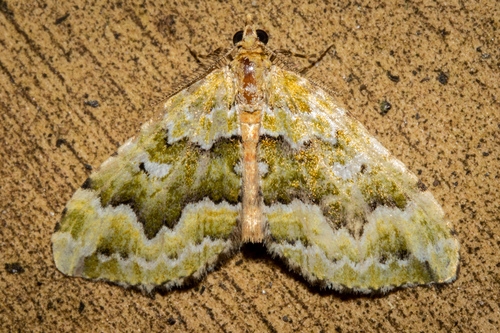
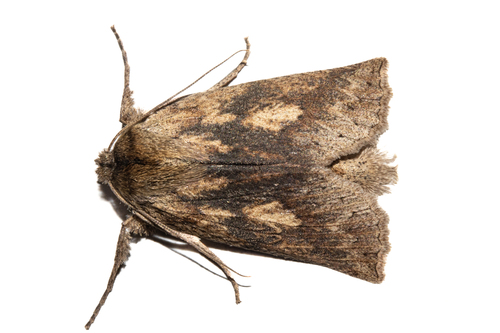
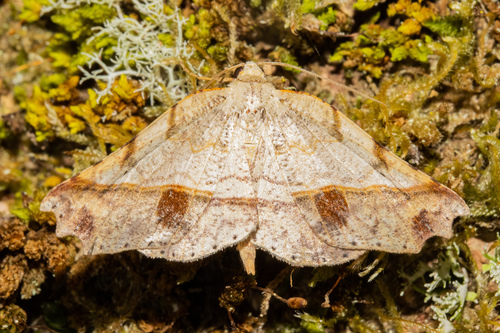
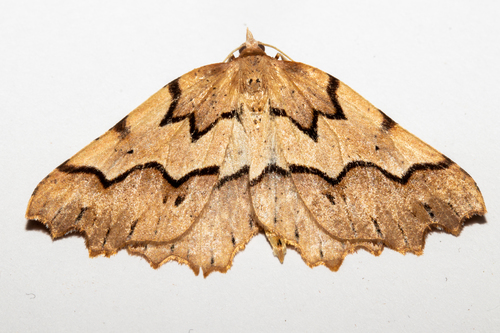
Barred Coprosma Carpet

Barred Coprosma Carpet

Austrocidaria gobiata

Endemic
Daily sighting probability ~20% · Possible
at Rakiura National Park

In 3 days ~40% in a week ~70%

13 Verified sightings at Rakiura National Park From 2019 to 2026
13 In 1 park
May Best month
☀️🌙 Day & Night When it's spotted

About the Barred Coprosma Carpet

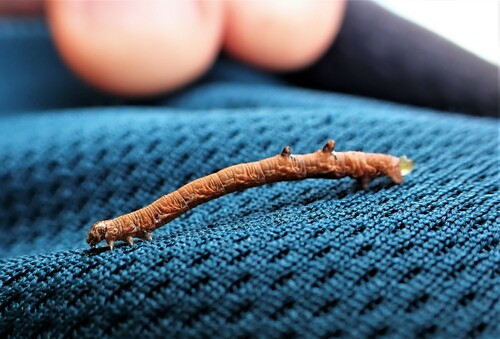
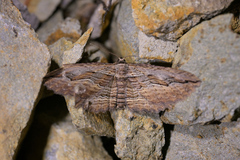
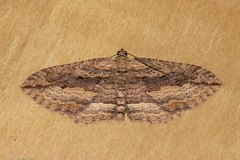
Austrocidaria gobiata, also known as the barred Coprosma carpet or the pale oblique-barred moth, is a species of moth of the family Geometridae. It is endemic to New Zealand and is found throughout the country. It inhabits native forest, particular areas where its larval host plant, Coprosma areolata, is common. The larvae of this species feed at night and are well camouflaged as a result of their external morphology during the day when they rest. A. gobiata pupate in the leaf litter or amongst the leaves of their host plant. Adults are on the wing all year but are commonly observed from October to April. Adults are nocturnal and are attracted to light. The larvae of this species play host to the fly Pales aurea.

This species was first described by Cajetan von Felder and Alois Friedrich Rogenhofer in 1875 and originally named Cidaria gobiata. George Hudson in his 1928 publication The butterflies and moths of New Zealand discussed and illustrated this species under the name Eucymatoge gobiata. In 1988 John S. Dugdale placed this species in the genus Austrocidaria. The female holotype, collected by Thomas R. Oxley in Nelson, is held at the Natural History Museum, London... Wikipedia →

Global Distribution

Parks Where Found

# Park Country Daily sighting probability
1 Rakiura National Park 🇳🇿 New Zealand
~20%

More parks will be added in future updates.

Before you go

What are the chances of seeing a Barred Coprosma Carpet in Rakiura National Park?

Possible

About 20% of wildlife watchers report a Barred Coprosma Carpet sighting in Rakiura National Park on a given day, based on 13 verified sightings from GBIF citizen-science data from 2019 to 2026. It is the 45th most-seen of the 118 insects we can rate there. Over three days the chance rises to about 40%, and over a week to about 70%, if each day is a fresh chance.

When is the best time to see a Barred Coprosma Carpet in Rakiura National Park?

May

In that month about 50% of wildlife watchers report a Barred Coprosma Carpet in Rakiura National Park on a given day, against under 5% in February, June–September and December, the lowest months.

What time of day is best to see a Barred Coprosma Carpet?

Between 9 pm and midnight

Across all the parks we cover, that three-hour window holds the most Barred Coprosma Carpet sightings with a recorded time, and about 7 in 10 of them come between 6 pm and 6 am: it is seen both by day and at night.

Where else can you see a Barred Coprosma Carpet?

Only Rakiura National Park, in our data

Rakiura National Park is the only park on Wallace's Line with enough records to rate Barred Coprosma Carpet sightings: about 20% of wildlife watchers there report one on a given day.

Which relatives of the Barred Coprosma Carpet live in Rakiura National Park?

Same genus: Austrocidaria

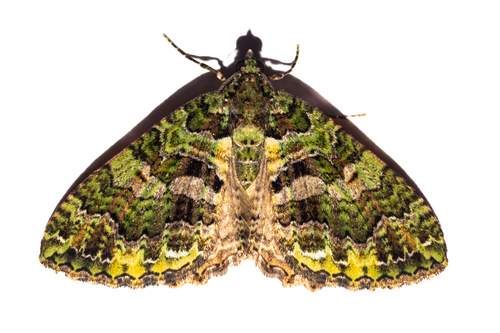
The closest relatives of the Barred Coprosma Carpet that you can see in Rakiura National Park (genus Austrocidaria) are Dark Coprosma Carpet (about 20%) and Green Coprosma Carpet (about 10%), with each one's daily chance of a sighting.

Where does the Barred Coprosma Carpet sighting chance come from?

GBIF citizen-science records

It is estimated from how often the Barred Coprosma Carpet is recorded against all the insects logged in Rakiura National Park (13 verified sightings from 2019 to 2026), calibrated against known sighting rates. Figures are rounded to the nearest 10% because citizen-science data supports honest approximations, not decimals, and months with records from fewer than five people show "—". How it works.

← Back to Rakiura National Park