African Black Beetle

African Black Beetle

Heteronychus arator

Daily sighting probability ~10% · With luck
at Royal National Park

In 3 days ~20% in a week ~40%

6 Verified sightings at Royal National Park From 2019 to 2026
34 In all 3 parks
January Best month
☀️ Diurnal When it's spotted

About the African Black Beetle

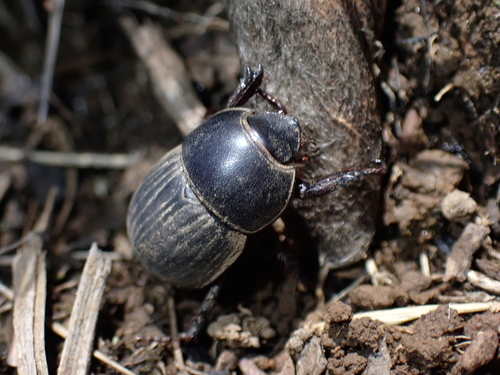
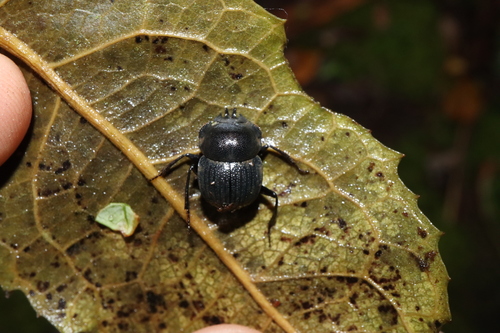
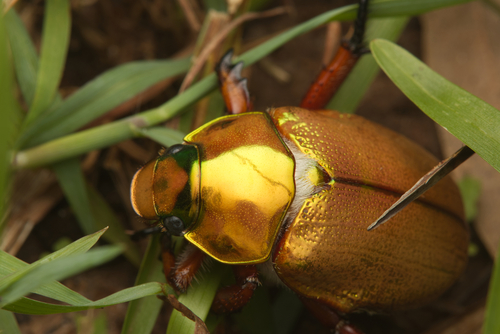
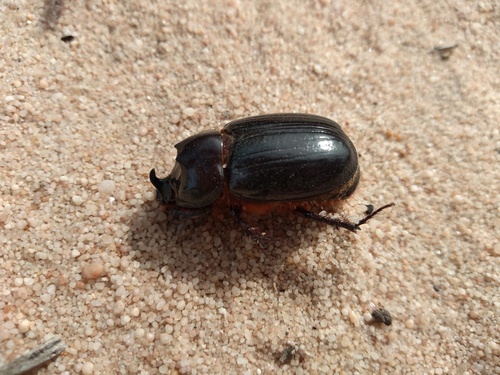
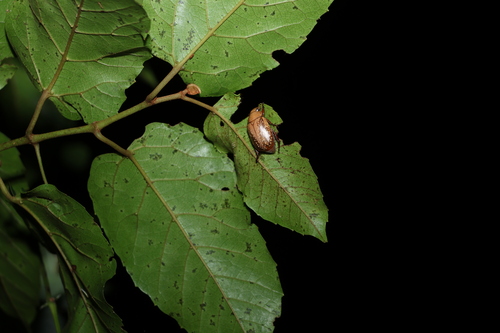
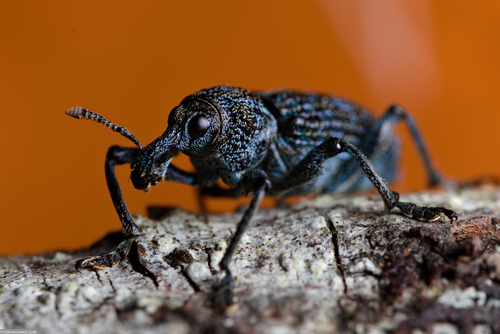
Heteronychus arator (hetero+onychus = 'variable claw', arator = 'ploughman') is a species of beetle in the subfamily Dynastinae (the rhinoceros beetles). It is commonly called African black beetle or black lawn beetle. It is native to Africa and it is an introduced species in Australia, Norfolk Island and the North Island of New Zealand.

It is a shiny black (or dark reddish brown) oval-shaped beetle 12-15 millimeters long. The head lacks a carina or tubercles, unlike some other scarabs. The clypeus is truncate with distinct lateral margins, and dentate with a denticle in the middle. Each mandible has 2-3 teeth on the outer edge and is visible when looking at the beetle from above. Each antenna is 10-segmented and ends in a 3-segmented club. On the underside of the head is a mentum with a rounded apex. Each eye is partially split by a glabrous (smooth) ocular canthus. The pronotum is smooth, convex and lacks punctures. The elytra have rows of shallow striae. The propygidium (dorsal plate of the second-last abdominal segment) has a pair of stridulatory bands. The hind legs have tibiae with truncate apices. All legs end in simple tarsal claws.

Adults feed on... Wikipedia →

Global Distribution

Parks Where Found

# Park Country Daily sighting probability
1 Royal National Park 🇦🇺 Australia
~10%
2 Blue Mountains National Park 🇦🇺 Australia
~10%
3 Table Mountain National Park 🇿🇦 South Africa
<5%

Cities Where Found

# City Country Daily sighting probability
1 Auckland 🇳🇿 New Zealand
~10%
2 Melbourne 🇦🇺 Australia
~10%
3 Sydney 🇦🇺 Australia
~10%
4 Perth 🇦🇺 Australia
~10%
5 Cape Town 🇿🇦 South Africa
~10%
6 Brisbane 🇦🇺 Australia
<5%

Before you go

What are the chances of seeing an African Black Beetle in Royal National Park?

With luck

About 10% of wildlife watchers report an African Black Beetle sighting in Royal National Park on a given day, based on 6 verified sightings from GBIF citizen-science data from 2019 to 2026. It is the 128th most-seen of the 175 insects we can rate there. Over three days the chance rises to about 20%, and over a week to about 40%, if each day is a fresh chance.

When is the best time to see an African Black Beetle in Royal National Park?

April and October–January

In those months about 10% of wildlife watchers report an African Black Beetle in Royal National Park on a given day, against under 5% in February–March and May–September, the lowest months.

What time of day is best to see an African Black Beetle?

Between 7 and 10 am

Across all the parks we cover, that three-hour window holds the most African Black Beetle sightings with a recorded time, and about 7 in 10 of them come between 6 am and 6 pm: it is a daytime animal.

Is Royal National Park the best place to see an African Black Beetle?

Yes

Of the 3 parks where we can rate African Black Beetle sightings, Royal National Park has the highest daily chance: about 10%. Next come Blue Mountains National Park (Australia, about 10%) and Table Mountain National Park (South Africa, under 5%).

Which relatives of the African Black Beetle live in Royal National Park?

Same family: Scarabaeidae

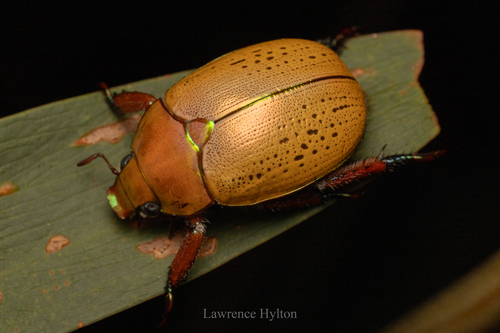
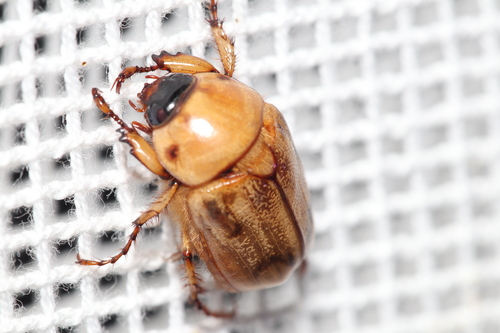
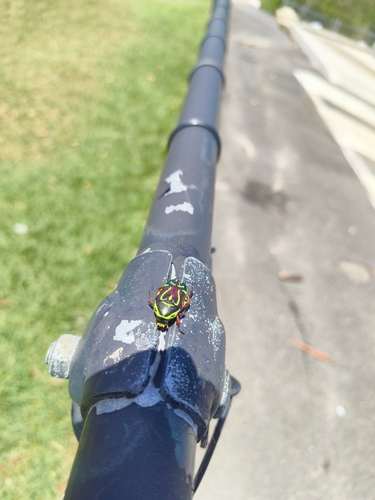
The closest relatives of the African Black Beetle that you can see in Royal National Park (family Scarabaeidae, Scarabs) are Anoplognathus olivieri (about 30%), Argentinian Scarab (about 20%) and Fiddler Beetle (about 20%), with each one's daily chance of a sighting.

Where does the African Black Beetle sighting chance come from?

GBIF citizen-science records

It is estimated from how often the African Black Beetle is recorded against all the insects logged in Royal National Park (6 verified sightings from 2019 to 2026), calibrated against known sighting rates. Figures are rounded to the nearest 10% because citizen-science data supports honest approximations, not decimals, and months with records from fewer than five people show "—". How it works.

← Back to Royal National Park