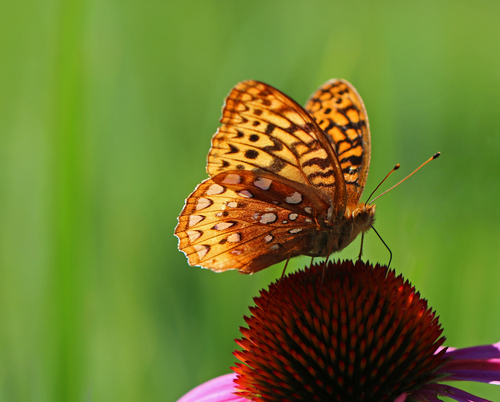
Falcate Orangetip

Falcate Orangetip

Anthocharis midea

Daily sighting probability ~10% · With luck
at Shenandoah National Park

In 3 days ~20% in a week ~40%

12 Verified sightings at Shenandoah National Park From 2019 to 2026
17 In all 2 parks
April Best month
☀️ Diurnal When it's spotted

About the Falcate Orangetip

Anthocharis midea, the falcate orangetip, is a North American butterfly that was described in 1809 by Jacob Hübner. It belongs to the family Pieridae, which is the white and sulphurs. These butterflies are mostly seen in the eastern United States, and in Texas and Oklahoma. They eat the nectar of violets and mustards. They tend to live in open, wet woods along waterways, in open swamps, and less often in dry woods and ridgetops. This species is a true springtime butterfly, being on the wing from April to May (March to May in southern Texas).

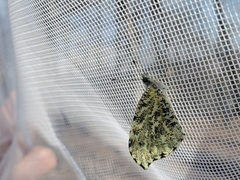
The tip of the upper side of the male's forewing is orange; females, however, lack this. Both have a round black spot located in the cell. The underside of the hindwing usually has intricate green marbling. The orangetips have a wingspan of around 3.5-4.5 centimeters.

The only similar species in the falcate orangetip's range is the Olympia marble (Euchloe olympia). The upper side of the Olympia marble's forewing has a grayish-black apex and the underside of the hindwing has yellow-green marbling.

Males patrol hilltops and flats all day seeking females. Females lay their eggs singly on... Wikipedia →
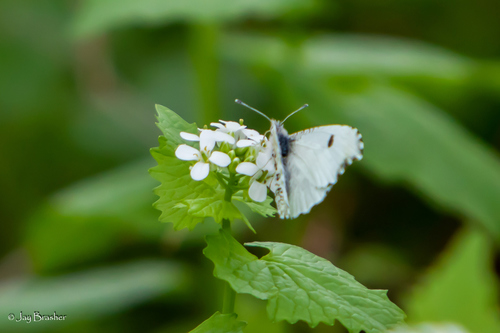
Global Distribution

Parks Where Found

# Park Country Daily sighting probability
1 Shenandoah National Park 🇺🇸 United States
~10%
2 Great Smoky Mountains National Park 🇺🇸 United States
<5%

Cities Where Found

# City Country Daily sighting probability
1 Austin 🇺🇸 United States
<5%
2 Washington 🇺🇸 United States
<5%

Before you go

What are the chances of seeing a Falcate Orangetip in Shenandoah National Park?

With luck

About 10% of wildlife watchers report a Falcate Orangetip sighting in Shenandoah National Park on a given day, based on 12 verified sightings from GBIF citizen-science data from 2019 to 2026. It is the 325th most-seen of the 723 insects we can rate there. Over three days the chance rises to about 20%, and over a week to about 40%, if each day is a fresh chance.

When is the best time to see a Falcate Orangetip in Shenandoah National Park?

April

In that month about 30% of wildlife watchers report a Falcate Orangetip in Shenandoah National Park on a given day, against under 5% in June to March, the lowest months.

What time of day is best to see a Falcate Orangetip?

Between noon and 3 pm

Across all the parks we cover, that three-hour window holds the most Falcate Orangetip sightings with a recorded time, and about 9 in 10 of them come between 6 am and 6 pm: it is a daytime animal.

Is Shenandoah National Park the best place to see a Falcate Orangetip?

Yes

Of the 2 parks where we can rate Falcate Orangetip sightings, Shenandoah National Park has the highest daily chance: about 10%. Next come Great Smoky Mountains National Park (United States, under 5%).

Which relatives of the Falcate Orangetip live in Shenandoah National Park?

Same family: Pieridae

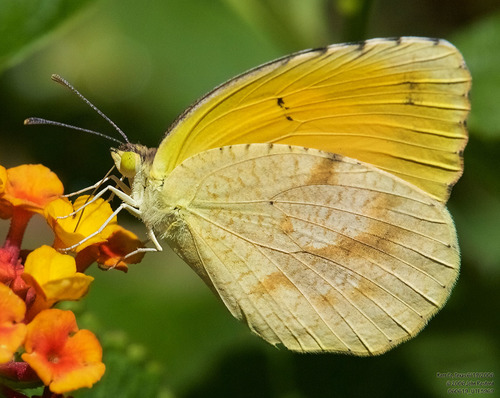
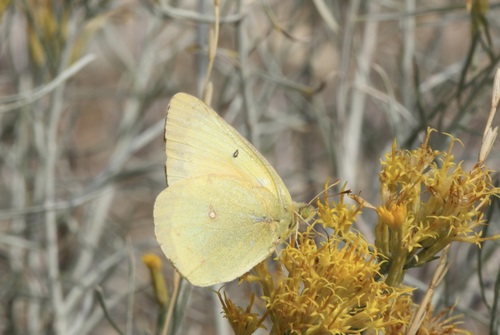
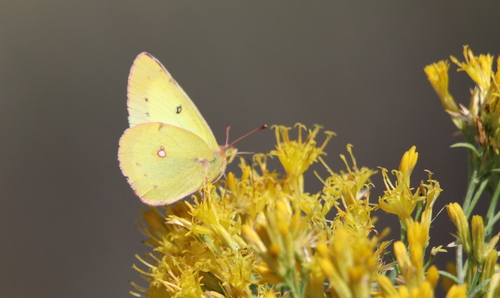
The closest relatives of the Falcate Orangetip that you can see in Shenandoah National Park (family Pieridae, Whites, Yellows, and Sulphurs) are Small White (about 30%), Sleepy Orange (about 10%) and Orange Sulphur (about 10%), with each one's daily chance of a sighting.

Where does the Falcate Orangetip sighting chance come from?

GBIF citizen-science records

It is estimated from how often the Falcate Orangetip is recorded against all the insects logged in Shenandoah National Park (12 verified sightings from 2019 to 2026), calibrated against known sighting rates. Figures are rounded to the nearest 10% because citizen-science data supports honest approximations, not decimals, and months with records from fewer than five people show "—". How it works.

← Back to Shenandoah National Park