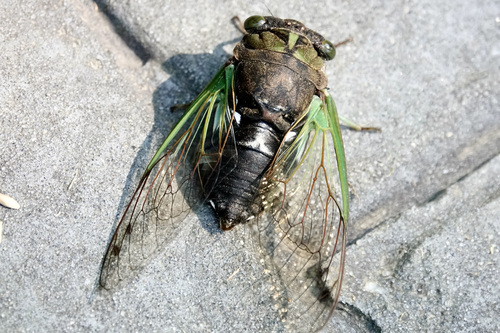
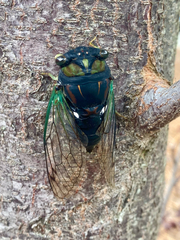
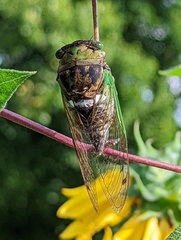
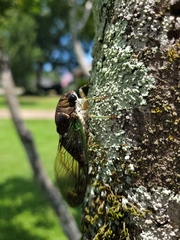
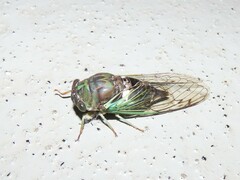



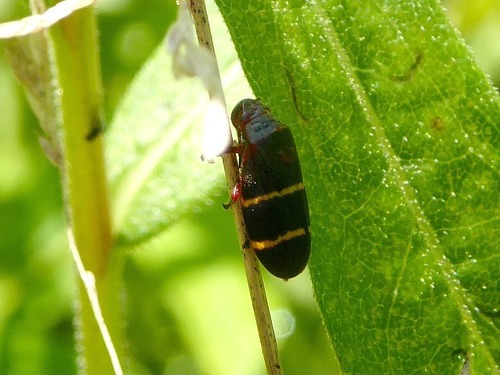
Swamp Cicada
Daily sighting probability ~10% · With luck
at Shenandoah National Park

In 3 days ~10% in a week ~30%

7 Verified sightings at Shenandoah National Park From 2019 to 2026
44 In all 3 parks
August Best month
☀️ Diurnal When it's spotted

About the Swamp Cicada

Neotibicen tibicen, known generally as the swamp cicada or morning cicada, is a species of cicada in the family Cicadidae. It is widespread across much of the eastern and central United States and portions of southeastern Canada. There are two subspecies, N. tibicen tibicen and N. tibicen australis, with the latter replacing subspecies tibicen in portions of Florida, Georgia, and Alabama.

Neotibicen tibicen is active particularly in the morning; hence its common name, morning cicada. It is strictly ectothermic, and only becomes active in the morning after basking in the sun to raise its body temperature. The species' name was Tibicen chloromerus, but in 2008 it was changed to Tibicen tibicen because the cicada was determined to have been described first under this specific epithet. The species was moved to the genus Neotibicen in 2015. N. tibicen is the most frequently encountered Neotibicen because it often perches on low vegetation. Likewise, it is arguably the most common Neotibicen in North America.

https://www.cicadamania.com/cicadas/neotibicen-tibicen-tibicen-linnaeus-1758-aka-morning-cicada/ Wikipedia →

Global Distribution

Parks Where Found

# Park Country Daily sighting probability
1 Congaree National Park 🇺🇸 United States
~10%
2 Great Smoky Mountains National Park 🇺🇸 United States
~10%
3 Shenandoah National Park 🇺🇸 United States
~10%

Cities Where Found

# City Country Daily sighting probability
1 Baltimore 🇺🇸 United States
~10%
2 Philadelphia 🇺🇸 United States
~10%
3 Washington 🇺🇸 United States
~10%
4 New York City 🇺🇸 United States
~10%
5 Houston 🇺🇸 United States
<5%
6 Boston 🇺🇸 United States
<5%
7 Dallas 🇺🇸 United States
<5%

Before you go

What are the chances of seeing a Swamp Cicada in Shenandoah National Park?

With luck

About 10% of wildlife watchers report a Swamp Cicada sighting in Shenandoah National Park on a given day, based on 7 verified sightings from GBIF citizen-science data from 2019 to 2026. It is the 447th most-seen of the 723 insects we can rate there. Over three days the chance rises to about 10%, and over a week to about 30%, if each day is a fresh chance.

When is the best time to see a Swamp Cicada in Shenandoah National Park?

July to September

In those months about 10% of wildlife watchers report a Swamp Cicada in Shenandoah National Park on a given day, against under 5% in October to June, the lowest months.

What time of day is best to see a Swamp Cicada?

Between 9 am and noon

Across all the parks we cover, that three-hour window holds the most Swamp Cicada sightings with a recorded time, and about 9 in 10 of them come between 6 am and 6 pm: it is a daytime animal.

Is Shenandoah National Park the best place to see a Swamp Cicada?

Among the best

Of the 3 parks where we can rate Swamp Cicada sightings, Shenandoah National Park ranks 3rd at about 10%, level with the leaders once rounded. The best odds are in Congaree National Park (United States, about 10%) and Great Smoky Mountains National Park (United States, about 10%).

Which relatives of the Swamp Cicada live in Shenandoah National Park?

Same order: Hemiptera

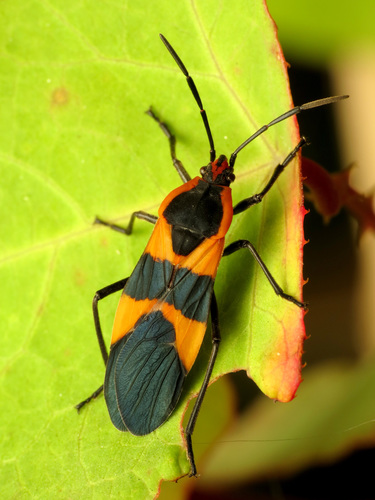
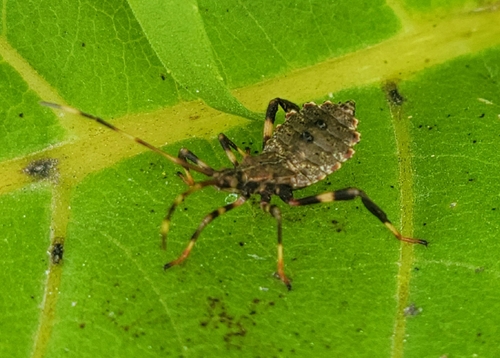
The closest relatives of the Swamp Cicada that you can see in Shenandoah National Park (order Hemiptera, True Bugs, Hoppers, Aphids, and allies) are Spotted Lanternfly (about 50%), Large Milkweed Bug (about 20%) and Acanthocephala terminalis (about 20%), with each one's daily chance of a sighting.

Where does the Swamp Cicada sighting chance come from?

GBIF citizen-science records

It is estimated from how often the Swamp Cicada is recorded against all the insects logged in Shenandoah National Park (7 verified sightings from 2019 to 2026), calibrated against known sighting rates. Figures are rounded to the nearest 10% because citizen-science data supports honest approximations, not decimals, and months with records from fewer than five people show "—". How it works.

← Back to Shenandoah National Park