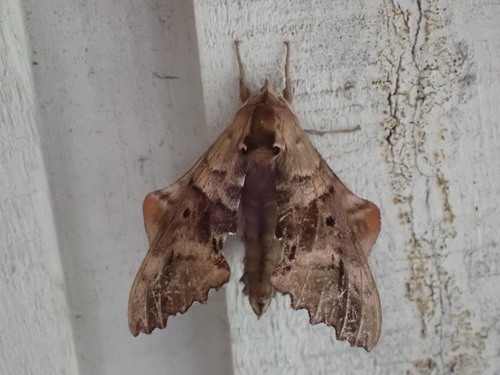
Walnut Sphinx

Walnut Sphinx

Amorpha juglandis

Daily sighting probability ~10% · With luck
at Shenandoah National Park

In 3 days ~20% in a week ~40%

17 Verified sightings at Shenandoah National Park From 2019 to 2026
100 In all 3 parks
August Best month
☀️🌙 Day & Night When it's spotted

About the Walnut Sphinx

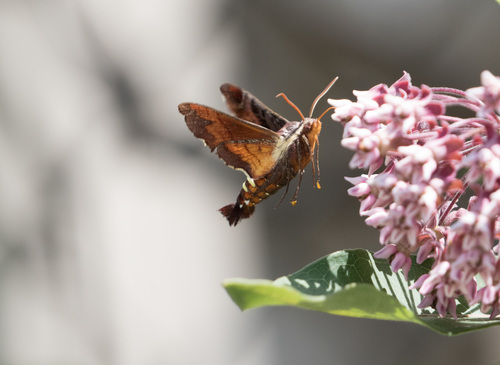
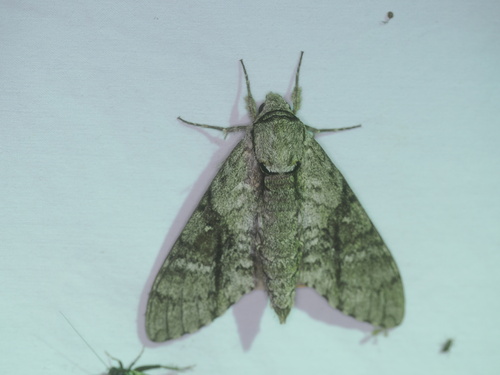
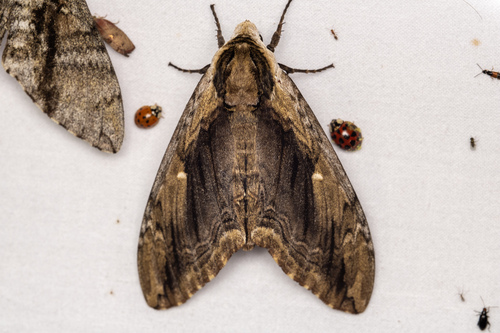
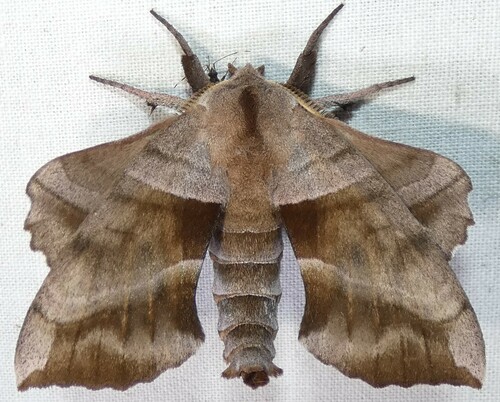
Amorpha juglandis, the walnut sphinx, is the only species in the monotypic moth genus Amorpha, which is in the family Sphingidae, erected by Jacob Hübner in 1809. The species was first described by James Edward Smith in 1797.

It is native to North America, where it is distributed from the Atlantic Ocean to the Rocky Mountains in Canada and the United States. The wingspan is 45–75 mm. The adult moth is nocturnal, active mainly during the early hours of the night.

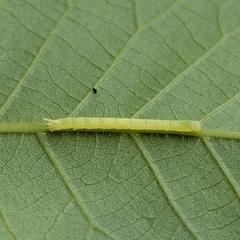
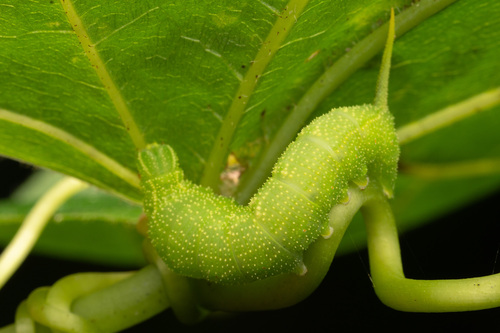
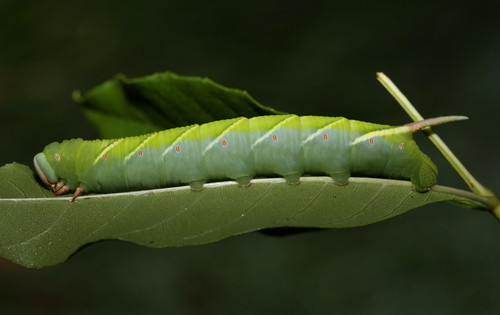
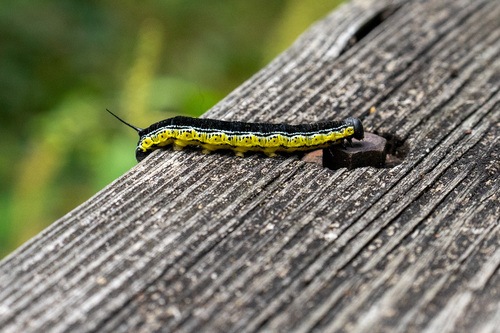
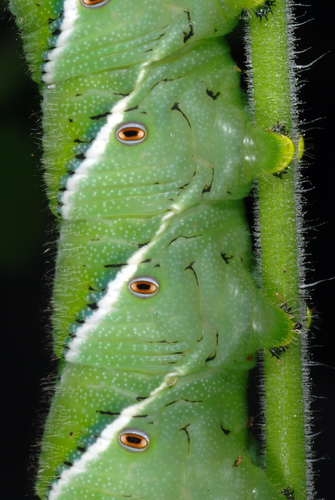
The caterpillar feeds on alder (Alnus), hickory (Carya), hazelnut (Corylus), beech (Fagus), walnut (Juglans), and hop-hornbeam (Ostrya) species. When attacked by a bird, the caterpillar produces a high-pitched whistle by expelling air from pairs of spiracles in its abdomen. This whistle is similar to the alarm signal produced by various bird species. One group of researchers in Montana hypothesized that this is a form of mimicry that functions as an antipredator adaptation to startle the bird, causing them to potentially reject the caterpillar.

Bura, V. L.; Rohwer, V. G.; Martin, P. R.; Yack, J. E. (2010). "Whistling in caterpillars (Amorpha... Wikipedia →
Global Distribution

Parks Where Found

# Park Country Daily sighting probability
1 Great Smoky Mountains National Park 🇺🇸 United States
~10%
2 Cumbres de Monterrey National Park 🇲🇽 Mexico
~10%
3 Shenandoah National Park 🇺🇸 United States
~10%

Cities Where Found

# City Country Daily sighting probability
1 Austin 🇺🇸 United States
~10%
2 Dallas 🇺🇸 United States
~10%
3 San Antonio 🇺🇸 United States
~10%
4 Monterrey 🇲🇽 México
~10%
5 Houston 🇺🇸 United States
~10%
6 Washington 🇺🇸 United States
<5%
7 Toronto 🇨🇦 Canada
<5%
8 New York City 🇺🇸 United States
<5%

Before you go

What are the chances of seeing a Walnut Sphinx in Shenandoah National Park?

With luck

About 10% of wildlife watchers report a Walnut Sphinx sighting in Shenandoah National Park on a given day, based on 17 verified sightings from GBIF citizen-science data from 2019 to 2026. It is the 234th most-seen of the 723 insects we can rate there. Over three days the chance rises to about 20%, and over a week to about 40%, if each day is a fresh chance.

When is the best time to see a Walnut Sphinx in Shenandoah National Park?

June to September

In those months about 10% of wildlife watchers report a Walnut Sphinx in Shenandoah National Park on a given day, against under 5% in October to May, the lowest months.

What time of day is best to see a Walnut Sphinx?

Between midnight and 3 am

Across all the parks we cover, that three-hour window holds the most Walnut Sphinx sightings with a recorded time, and about 6 in 10 of them come between 6 am and 6 pm: it is seen both by day and at night.

Is Shenandoah National Park the best place to see a Walnut Sphinx?

Among the best

Of the 3 parks where we can rate Walnut Sphinx sightings, Shenandoah National Park ranks 3rd at about 10%, level with the leaders once rounded. The best odds are in Great Smoky Mountains National Park (United States, about 10%) and Cumbres de Monterrey National Park (Mexico, about 10%).

Which relatives of the Walnut Sphinx live in Shenandoah National Park?

Same family: Sphingidae

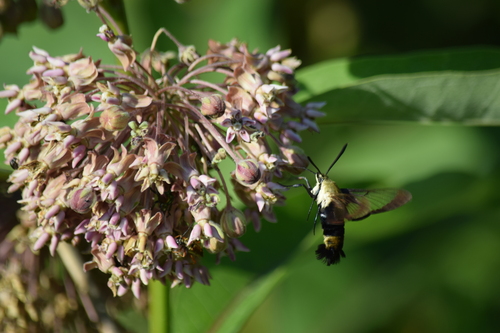
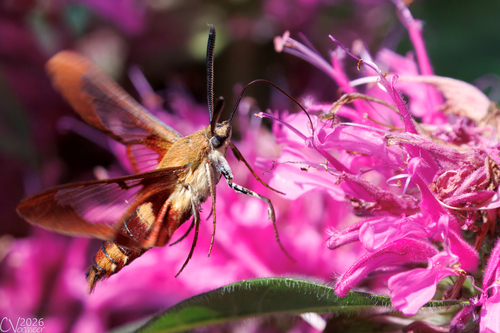
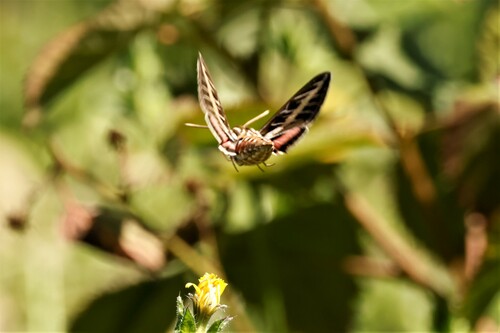
The closest relatives of the Walnut Sphinx that you can see in Shenandoah National Park (family Sphingidae, Sphinx Moths) are Snowberry Clearwing (about 20%), Hummingbird Clearwing (about 10%) and Virginia Creeper Sphinx (about 10%), with each one's daily chance of a sighting.

Where does the Walnut Sphinx sighting chance come from?

GBIF citizen-science records

It is estimated from how often the Walnut Sphinx is recorded against all the insects logged in Shenandoah National Park (17 verified sightings from 2019 to 2026), calibrated against known sighting rates. Figures are rounded to the nearest 10% because citizen-science data supports honest approximations, not decimals, and months with records from fewer than five people show "—". How it works.

← Back to Shenandoah National Park