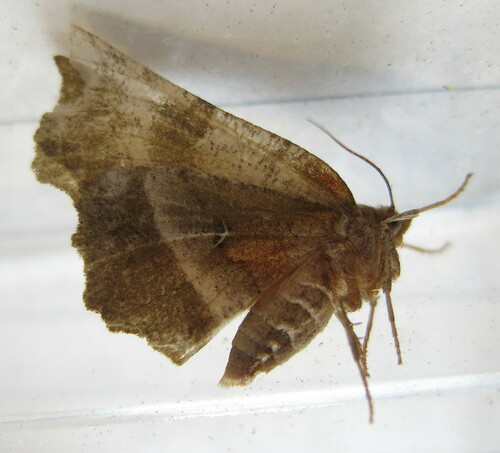
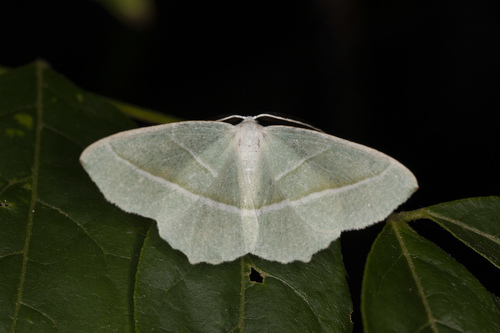
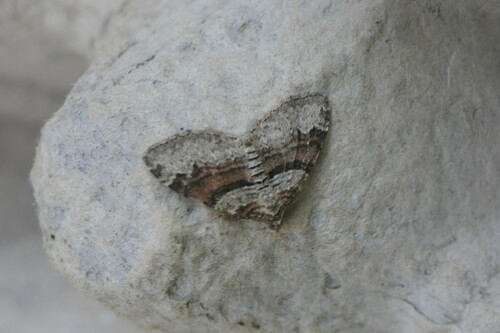
Cream Wave

Cream Wave

Scopula floslactata

Daily sighting probability ~10% · With luck
at Snowdonia National Park

In 3 days ~20% in a week ~50%

9 Verified sightings at Snowdonia National Park From 2019 to 2026
31 In all 3 parks
May Best month
☀️ Diurnal When it's spotted

About the Cream Wave

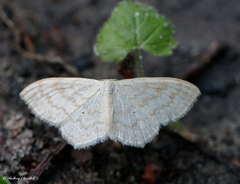
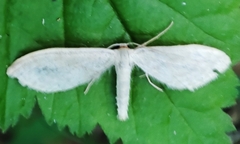
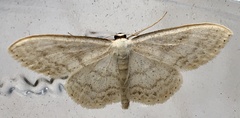
The cream wave (Scopula floslactata) is a moth of the family Geometridae. The species was first described by Adrian Hardy Haworth in 1809. It is found in forest and woodland regions, feeding on grasses and small plants such as dandelion.

It is a very common species in parts of France and central Europe. The range in the north extends to Scandinavia and Finland. The species is largely missing in southern Europe. There are isolated occurrences in southern Bulgaria and the Pyrenees). It extends east across the Palearctic from the Urals to the Russian Far East (Sakhalin) to Korea, north-eastern China and Japan.

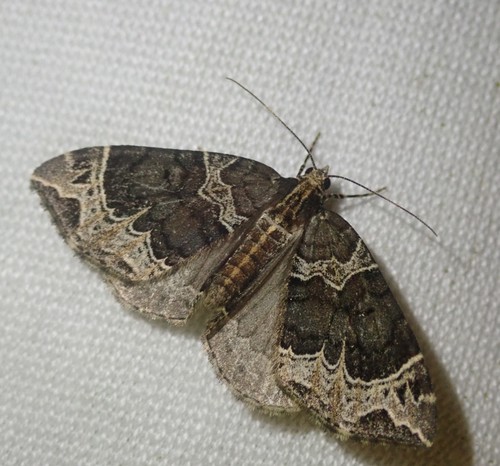
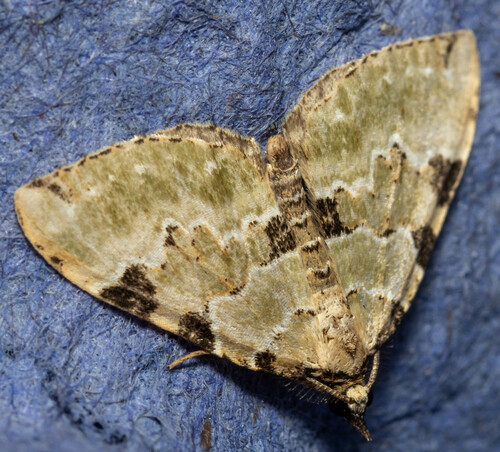
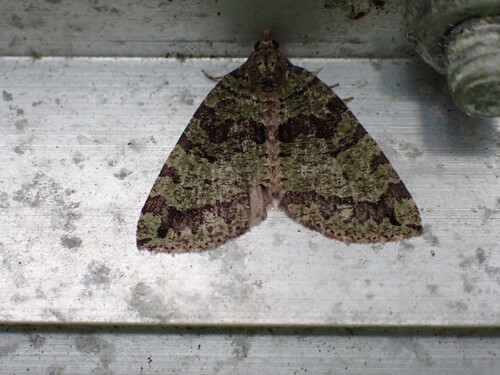
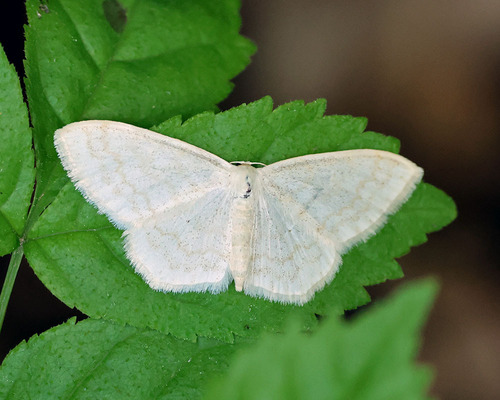
Scopula floslactata has a wingspan of about three centimetres. Colour and pattern are variable. The wings are creamy white to yellowish white. Across the forewings and hindwings, there are usually three jagged crosslines. Occasionally, there is a wavy line in the marginal field. The discal flecks are small and are often missing on the forewings, or very much blurred. In contrast, the discal flecks on the hindwings are almost always present. The fringes are sometimes also slightly darker than the ground colour. The males have small, feathered... Wikipedia →
Global Distribution

Parks Where Found

# Park Country Daily sighting probability
1 Snowdonia National Park 🇬🇧 United Kingdom
~10%
2 Bavarian Forest National Park 🇩🇪 Germany
~10%
3 Pyrénées National Park 🇫🇷 France
<5%

Cities Where Found

# City Country Daily sighting probability
1 Helsinki 🇫🇮 Finland
<5%
2 Moscow 🇷🇺 Russia
<5%

Before you go

What are the chances of seeing a Cream Wave in Snowdonia National Park?

With luck

About 10% of wildlife watchers report a Cream Wave sighting in Snowdonia National Park on a given day, based on 9 verified sightings from GBIF citizen-science data from 2019 to 2026. It is the 246th most-seen of the 387 insects we can rate there. Over three days the chance rises to about 20%, and over a week to about 50%, if each day is a fresh chance.

When is the best time to see a Cream Wave in Snowdonia National Park?

May

In that month about 20% of wildlife watchers report a Cream Wave in Snowdonia National Park on a given day, against under 5% in July to April, the lowest months.

What time of day is best to see a Cream Wave?

Between 10 am and 1 pm

Across all the parks we cover, that three-hour window holds the most Cream Wave sightings with a recorded time, and about 8 in 10 of them come between 6 am and 6 pm: it is a daytime animal.

Is Snowdonia National Park the best place to see a Cream Wave?

Yes

Of the 3 parks where we can rate Cream Wave sightings, Snowdonia National Park has the highest daily chance: about 10%. Next come Bavarian Forest National Park (Germany, about 10%) and Pyrénées National Park (France, under 5%).

Which relatives of the Cream Wave live in Snowdonia National Park?

Same family: Geometridae

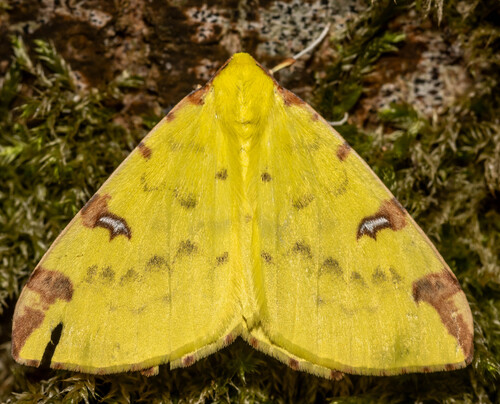
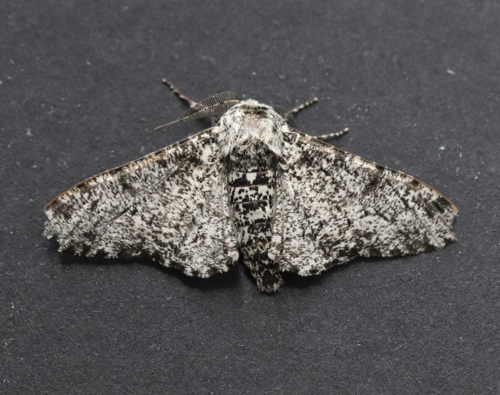
The closest relatives of the Cream Wave that you can see in Snowdonia National Park (family Geometridae, Geometer Moths) are Brimstone Moth (about 30%), Small Phoenix (about 20%) and Peppered Moth (about 20%), with each one's daily chance of a sighting.

Where does the Cream Wave sighting chance come from?

GBIF citizen-science records

It is estimated from how often the Cream Wave is recorded against all the insects logged in Snowdonia National Park (9 verified sightings from 2019 to 2026), calibrated against known sighting rates. Figures are rounded to the nearest 10% because citizen-science data supports honest approximations, not decimals, and months with records from fewer than five people show "—". How it works.

← Back to Snowdonia National Park