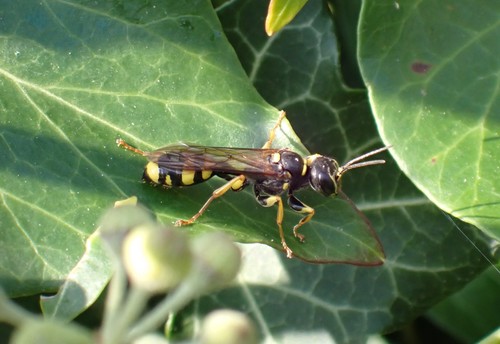
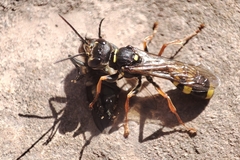
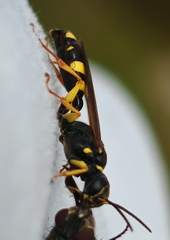
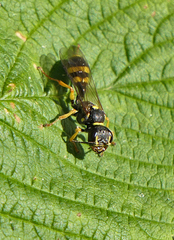



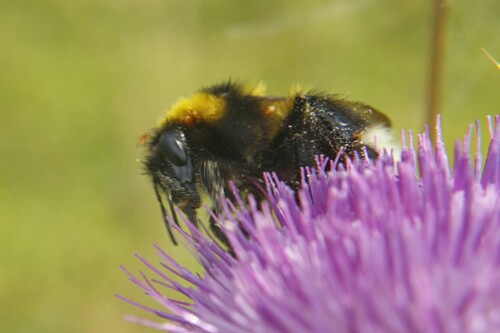
Field Digger Wasp

Field Digger Wasp

Mellinus arvensis

Daily sighting probability ~10% · With luck
at Snowdonia National Park

In 3 days ~20% in a week ~40%

5 Verified sightings at Snowdonia National Park From 2019 to 2026
27 In all 3 parks
October Best month
☀️ Diurnal When it's spotted

About the Field Digger Wasp

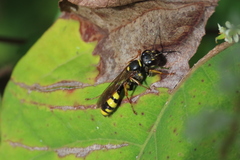
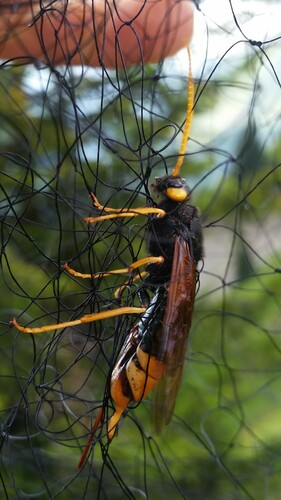
Mellinus arvensis, the field digger wasp, is a species of solitary wasp. The wasp can commonly be found from July to late September or October in sandy places. In hard soil however the female will often try to steal a nest from another member of the same species. The female is larger than the male. The wasps' nests are underground in sandy burrows with flies for their offspring to eat. The species is yellow and black like many wasp species, but they have a more narrow waist. This species is the most dominant immediately following forest fires.

The field digger wasps are solitary hunters, yet live in colonies with one another. Female members of the community will dig out multicellular nests in the sand or soil to lay their eggs, then provision the cells with prey, with the most common one being flies. When the soil is too hard for digging, females will either take over an abandoned nest, or will usurp a nest from another female. Wikipedia →

Global Distribution

Parks Where Found

# Park Country Daily sighting probability
1 Snowdonia National Park 🇬🇧 United Kingdom
~10%
2 Bavarian Forest National Park 🇩🇪 Germany
~10%
3 Wadden Sea National Park 🇩🇪 Germany
<5%

Cities Where Found

# City Country Daily sighting probability
1 Hamburg 🇩🇪 Germany
~10%
2 Kyiv 🇺🇦 Ukraine
~10%
3 Berlin 🇩🇪 Germany
~10%
4 Manchester 🇬🇧 United Kingdom
<5%
5 Copenhagen 🇩🇰 Denmark
<5%
6 Birmingham 🇬🇧 United Kingdom
<5%

Before you go

What are the chances of seeing a Field Digger Wasp in Snowdonia National Park?

With luck

About 10% of wildlife watchers report a Field Digger Wasp sighting in Snowdonia National Park on a given day, based on 5 verified sightings from GBIF citizen-science data from 2019 to 2026. It is the 336th most-seen of the 387 insects we can rate there. Over three days the chance rises to about 20%, and over a week to about 40%, if each day is a fresh chance.

When is the best time to see a Field Digger Wasp in Snowdonia National Park?

June and August–October

In those months about 10% of wildlife watchers report a Field Digger Wasp in Snowdonia National Park on a given day, against under 5% in July and November–May, the lowest months.

What time of day is best to see a Field Digger Wasp?

Between 9 am and noon

Across all the parks we cover, that three-hour window holds the most Field Digger Wasp sightings with a recorded time, and about 9 in 10 of them come between 6 am and 6 pm: it is a daytime animal.

Is Snowdonia National Park the best place to see a Field Digger Wasp?

Yes

Of the 3 parks where we can rate Field Digger Wasp sightings, Snowdonia National Park has the highest daily chance: about 10%. Next come Bavarian Forest National Park (Germany, about 10%) and Wadden Sea National Park (Germany, under 5%).

Which relatives of the Field Digger Wasp live in Snowdonia National Park?

Same order: Hymenoptera

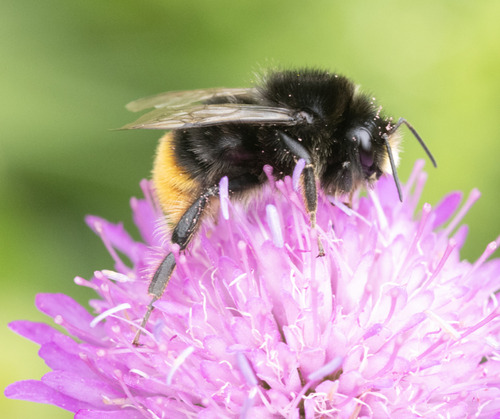
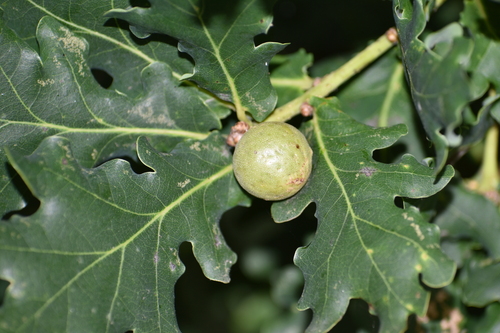
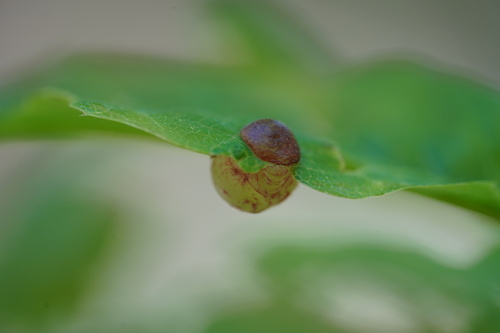
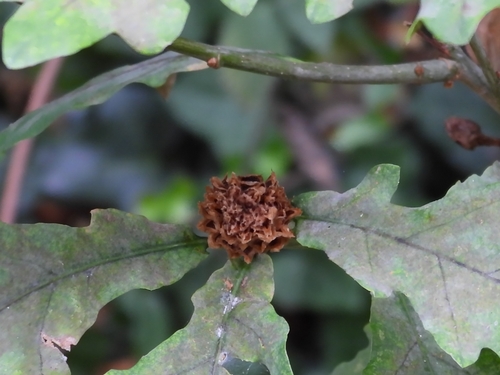
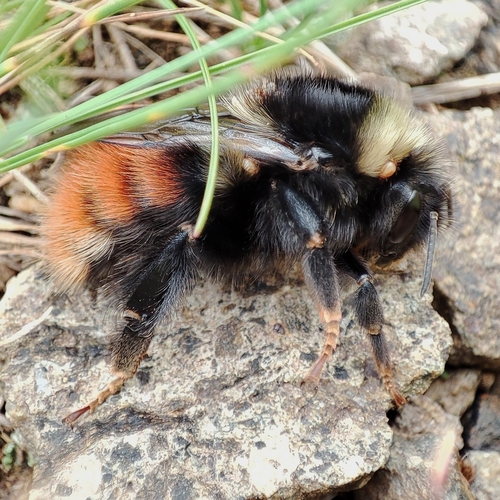
The closest relatives of the Field Digger Wasp that you can see in Snowdonia National Park (order Hymenoptera, Ants, Bees, Wasps, and Sawflies) are Common Carder Bumble Bee (about 20%), Red-Tailed Bumble Bee (about 20%) and Oak Marble Gall Wasp (about 20%), with each one's daily chance of a sighting.

Where does the Field Digger Wasp sighting chance come from?

GBIF citizen-science records

It is estimated from how often the Field Digger Wasp is recorded against all the insects logged in Snowdonia National Park (5 verified sightings from 2019 to 2026), calibrated against known sighting rates. Figures are rounded to the nearest 10% because citizen-science data supports honest approximations, not decimals, and months with records from fewer than five people show "—". How it works.

← Back to Snowdonia National Park