Jumping Jack Ant

Jumping Jack Ant

Myrmecia nigrocincta

Endemic
Daily sighting probability ~10% · With luck
at Springbrook National Park

In 3 days ~30% in a week ~60%

18 Verified sightings at Springbrook National Park From 2019 to 2026
117 In all 5 parks
October Best month
☀️ Diurnal When it's spotted

About the Jumping Jack Ant

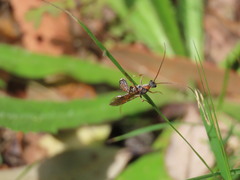
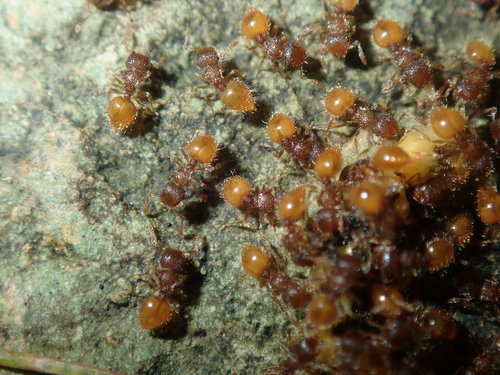
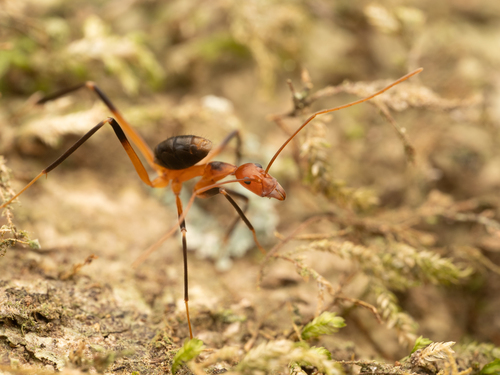
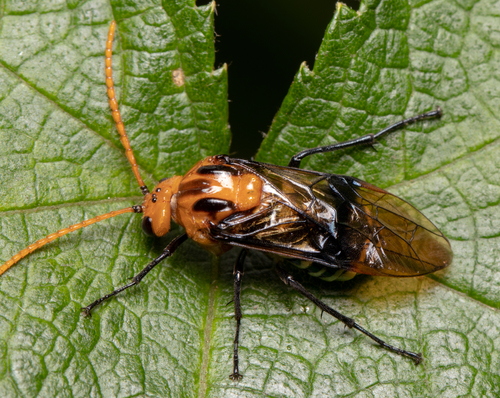
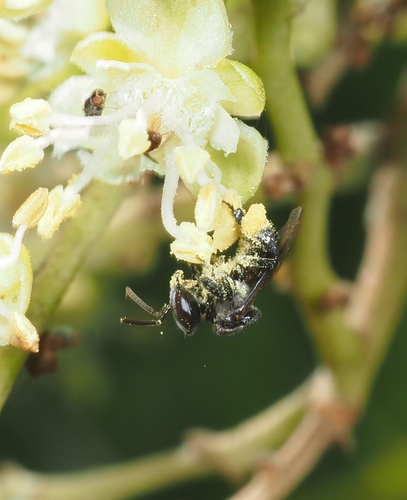
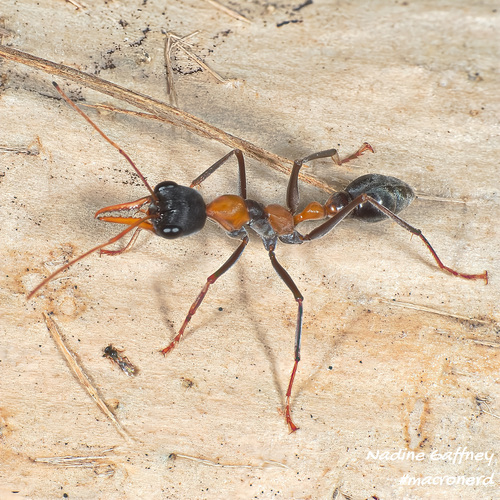
Myrmecia nigrocincta, commonly known as the jumper ant or jumping jack, is an ant of the genus Myrmecia. The species was first described by Frederick Smith in 1858. Colonies of this ant are abundant in eastern Australia. Ants of this species are known for their ability to jump up to 10 centimetres, and they also have a powerful, venomous sting. Rather than foraging on the ground, M. nigrocincta prefer to forage in trees where they are known to pollinate certain flowers.

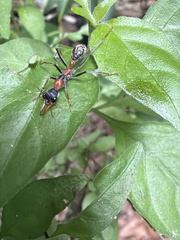
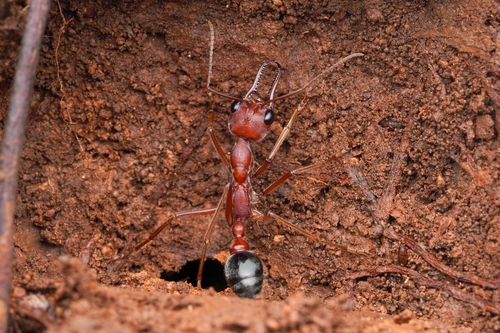
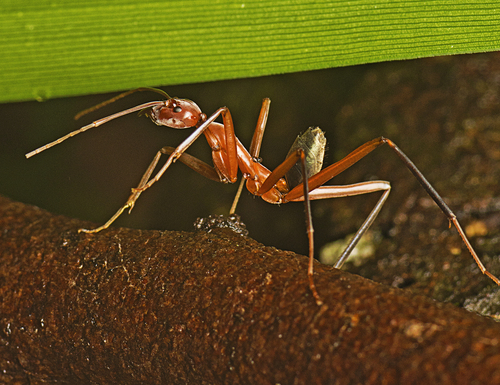
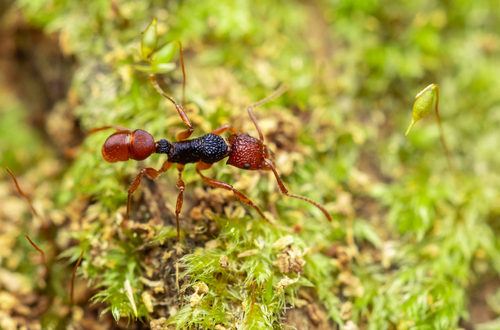
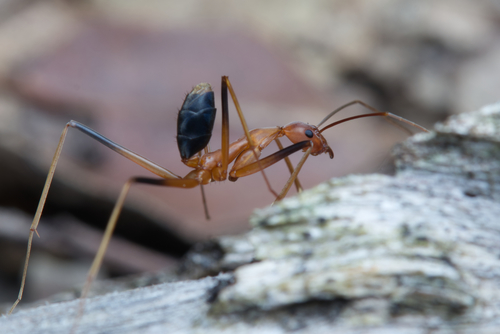
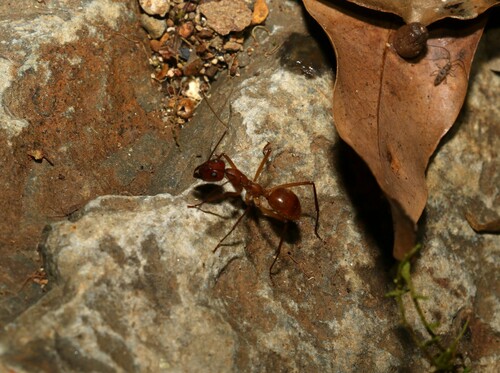
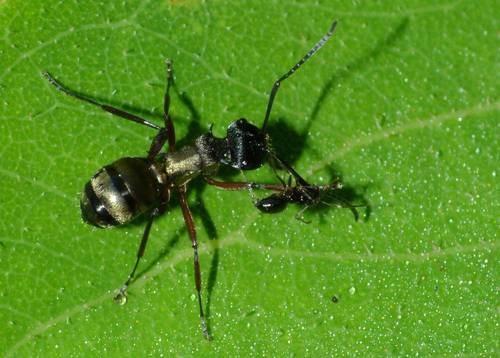
This ant is a large species, some workers can grow to over 15 mm (0.6 in) in length. They have a distinctive pattern of orange-red and black which distinguishes them from other Myrmecia species. M. nigrocincta possess the gamergates gene which allows workers to reproduce, either in the presence of a queen or in a colony where the queen is missing. Life expectancy of a worker ant is over one year. They are aggressive when attacking intruders.

Abundant in eastern Australia, M. nigrocincta ants prefer temperate bushlands, and are usually located in dry to semi-dry forests and sclerophyll woodlands. The species is found in the eastern states of Australia, mostly on the coastal plains where much suitable... Wikipedia →
Global Distribution

Parks Where Found

# Park Country Daily sighting probability
1 Lamington National Park 🇦🇺 Australia
~30%
2 Noosa National Park 🇦🇺 Australia
~10%
3 Springbrook National Park 🇦🇺 Australia
~10%
4 Blue Mountains National Park 🇦🇺 Australia
~10%
5 Daintree National Park 🇦🇺 Australia
~10%

Cities Where Found

# City Country Daily sighting probability
1 Sydney 🇦🇺 Australia
~20%
2 Brisbane 🇦🇺 Australia
~10%

Before you go

What are the chances of seeing a Jumping Jack Ant in Springbrook National Park?

With luck

About 10% of wildlife watchers report a Jumping Jack Ant sighting in Springbrook National Park on a given day, based on 18 verified sightings from GBIF citizen-science data from 2019 to 2026. It is the 84th most-seen of the 429 insects we can rate there. Over three days the chance rises to about 30%, and over a week to about 60%, if each day is a fresh chance.

When is the best time to see a Jumping Jack Ant in Springbrook National Park?

January, April and October

In those months about 20% of wildlife watchers report a Jumping Jack Ant in Springbrook National Park on a given day, against under 5% in March, June–August and November, the lowest months.

What time of day is best to see a Jumping Jack Ant?

Between 11 am and 2 pm

Across all the parks we cover, that three-hour window holds the most Jumping Jack Ant sightings with a recorded time, and about 9 in 10 of them come between 6 am and 6 pm: it is a daytime animal.

Is Springbrook National Park the best place to see a Jumping Jack Ant?

3rd of 5

Of the 5 parks where we can rate Jumping Jack Ant sightings, Springbrook National Park ranks 3rd at about 10%. The best odds are in Lamington National Park (Australia, about 30%) and Noosa National Park (Australia, about 10%).

Where does the Jumping Jack Ant sighting chance come from?

GBIF citizen-science records

It is estimated from how often the Jumping Jack Ant is recorded against all the insects logged in Springbrook National Park (18 verified sightings from 2019 to 2026), calibrated against known sighting rates. Figures are rounded to the nearest 10% because citizen-science data supports honest approximations, not decimals, and months with records from fewer than five people show "—". How it works.

← Back to Springbrook National Park