Lychee Stink Bug

Lychee Stink Bug

Lyramorpha rosea

Daily sighting probability ~10% · With luck
at Springbrook National Park

In 3 days ~30% in a week ~50%

14 Verified sightings at Springbrook National Park From 2019 to 2026
141 In all 5 parks
January Best month
☀️ Diurnal When it's spotted

About the Lychee Stink Bug

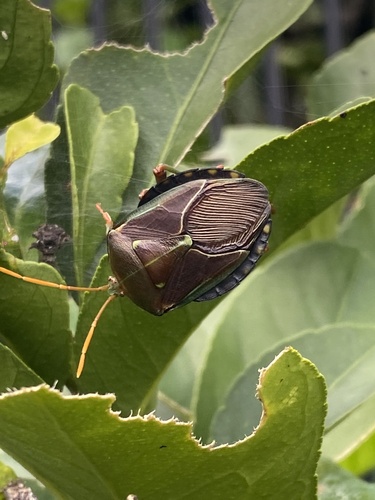
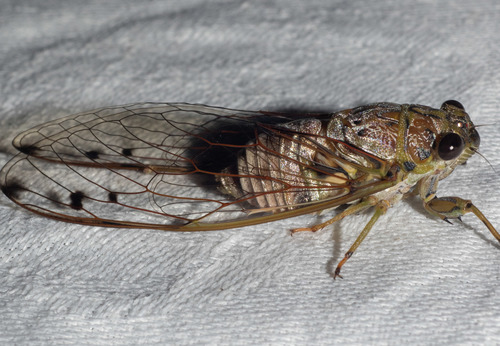
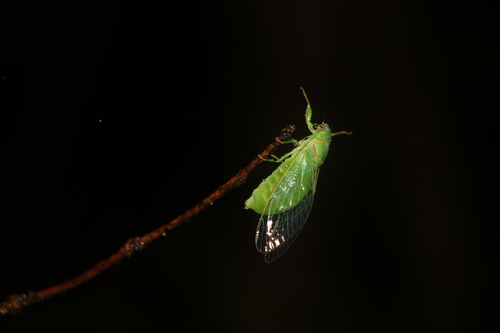
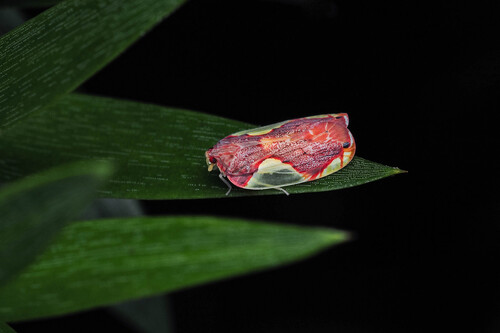
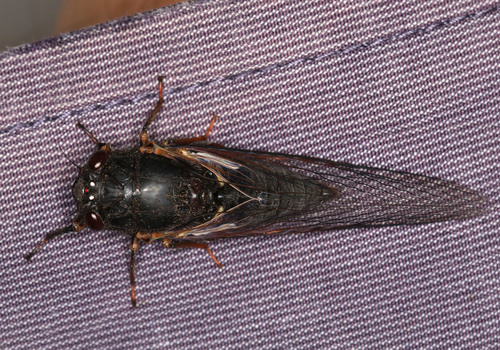
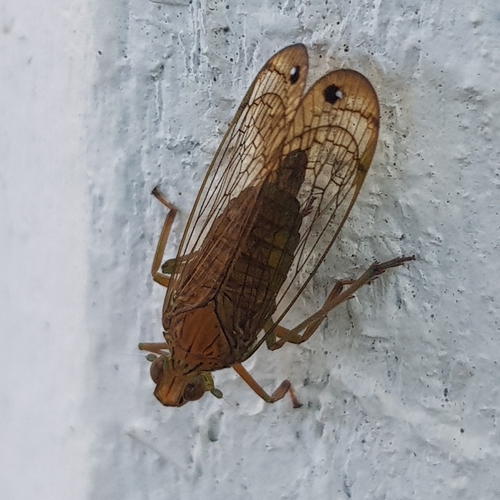
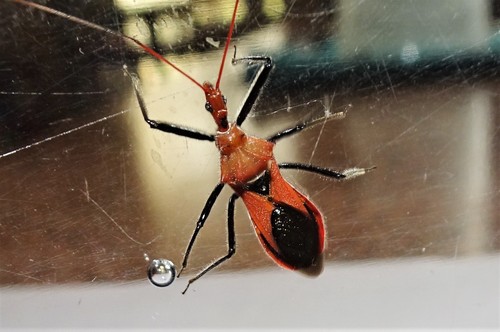
Lyramorpha rosea, commonly known as the lychee stink bug, is a species of stink bug in the family Tessaratomidae. It is found in eastern Australia. According to the original species description by Westwood, L. rosea has legs and antennae pink (rosea in the original Latin), the margins of the thorax and hemelytra are bronze, and the underside of the body is greenish-yellow.

The body length, also according to the original description, is 11 lines. In entomology, a line is equal to one-twelfth of an inch, so this is equivalent to a length of ~0.917 inches or ~2.328 centimetres. Lyramorpha rosea feeds on plants in the family Sapindaceae. Its native host plants are in the genera Alectryon, Atalaya, Cupaniopsis and Guioa. It also feeds on the exotic lychee (Litchi chinensis). There are records of it on plants in other families, but these require confirmation.

Females brood their eggs, in clutches of up to 42, until they hatch. Wikipedia →

Global Distribution

Parks Where Found

# Park Country Daily sighting probability
1 Noosa National Park 🇦🇺 Australia
~30%
2 Royal National Park 🇦🇺 Australia
~20%
3 Lamington National Park 🇦🇺 Australia
~20%
4 Springbrook National Park 🇦🇺 Australia
~10%
5 Blue Mountains National Park 🇦🇺 Australia
<5%

Cities Where Found

# City Country Daily sighting probability
1 Sydney 🇦🇺 Australia
~20%
2 Brisbane 🇦🇺 Australia
~10%

Before you go

What are the chances of seeing a Lychee Stink Bug in Springbrook National Park?

With luck

About 10% of wildlife watchers report a Lychee Stink Bug sighting in Springbrook National Park on a given day, based on 14 verified sightings from GBIF citizen-science data from 2019 to 2026. It is the 112th most-seen of the 429 insects we can rate there. Over three days the chance rises to about 30%, and over a week to about 50%, if each day is a fresh chance.

When is the best time to see a Lychee Stink Bug in Springbrook National Park?

December and January

In those months about 20% of wildlife watchers report a Lychee Stink Bug in Springbrook National Park on a given day, against under 5% in March–August and October, the lowest months.

What time of day is best to see a Lychee Stink Bug?

Between 11 am and 2 pm

Across all the parks we cover, that three-hour window holds the most Lychee Stink Bug sightings with a recorded time, and about 9 in 10 of them come between 6 am and 6 pm: it is a daytime animal.

Is Springbrook National Park the best place to see a Lychee Stink Bug?

4th of 5

Of the 5 parks where we can rate Lychee Stink Bug sightings, Springbrook National Park ranks 4th at about 10%. The best odds are in Noosa National Park (Australia, about 30%), Royal National Park (Australia, about 20%) and Lamington National Park (Australia, about 20%).

Where does the Lychee Stink Bug sighting chance come from?

GBIF citizen-science records

It is estimated from how often the Lychee Stink Bug is recorded against all the insects logged in Springbrook National Park (14 verified sightings from 2019 to 2026), calibrated against known sighting rates. Figures are rounded to the nearest 10% because citizen-science data supports honest approximations, not decimals, and months with records from fewer than five people show "—". How it works.

← Back to Springbrook National Park