













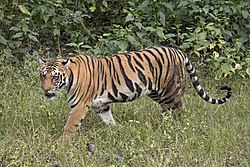

All 2 in 3 days here: ~90%
Kaziranga National Park
🇮🇳 India
Indian Subcontinent, India 1113 spp. recorded
Kaziranga National Park sits in the northeastern corner of India, protecting a dense tropical rainforest crossed by wide river channels and tall grassland patches. This terrain differs from dry scrubland reserves through its constant moisture and thick canopy cover, which supports a heavy concentration of plant growth year-round.
26.682° N 93.390° E
🦜 Nature

440 Species sighted
119,533 Verified sightings From 2019 to 2026
Apr Best month
⭐ Iconic Species
📊 Most Spotted
⭐ Iconic Species
📊 Most Spotted
⭐ Iconic Species
📊 Most Spotted
📊 Most Spotted
📊 Most Spotted
📊 Most Spotted
⭐ Iconic Species
🌙 Most active after dark
+ 774 more species with insufficient data
Challenges you can complete here

All 3 in 3 days here: ~80%

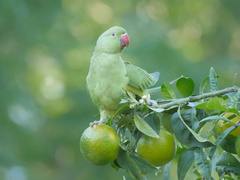


All 5 in 3 days here: ~10%
Recent sightings in Kaziranga National Park
LIVEiNaturalistSounds of Kaziranga National Park
Morning soundscape2:07
India · 2015
© Sudipto Roy · XC414911 · CC BY-NC-SA 4.0
Sighting Calendar
How many species you'd see in a day
70Jan
75Feb
73Mar
80Apr
53May
1Jun
2.2Jul
45Aug
44Sep
62Oct
65Nov
70Dec
Sighting Zones
Warmer areas are where all species together are recorded most often.
-
Eastern Range (Agaratoli)
-
26.645° N, 93.398° E
Daily sight. prob.vs avg -
Western Range (Bagori)
Daily sight. prob.vs avg -
Central Range (Kohora)
Daily sight. prob.vs avg



🏕️ Experience
Essentials
Climate
Temp °C Rain mm
JanFebMarAprMayJunJulAugSepOctNovDec
0.0 World-class
Wallace's Line Score
How good is this park for seeing wildlife? 🦜
Biodiversity
Very goodHow rich is the wildlife?
4.5
Species by taxon
🦅 Birds 799
🐒 Mammals 132
🦎 Reptiles 149
🐸 Amphibians 33
1113 Total Species
828 Global average across 316 parks
89 Threatened 6 Endemic
🔭
Sighting
ExcellentHow likely to see animals?
5.0
🎯
Top-12 Avg Probability
79% 📊
Coverage (226 species at ≥5% of 1113 in the inventory)
20% 🔀
Taxon variety in top 12 (6 mammal, 6 bird)
67% 🔭
Species per 10 outings (distinct species a visitor would meet over 10 outings — effort held equal across parks)
184 🌟
Iconic-group species (≥15%) (every species from the 19 iconic groups — monkeys, cats, toucans, macaws, sloths, crocodilians… — not just the 4 highlighted above)
31 ⭐
High-prob species (>40%)
72 🏕️
Experience
ExcellentHow easy and pleasant is the visit?
4.7
Climate Mixed Medium
Entrance Paid Low
Tourism Low High
Trails Easy High
World Heritage Yes Bonus
What visitors say
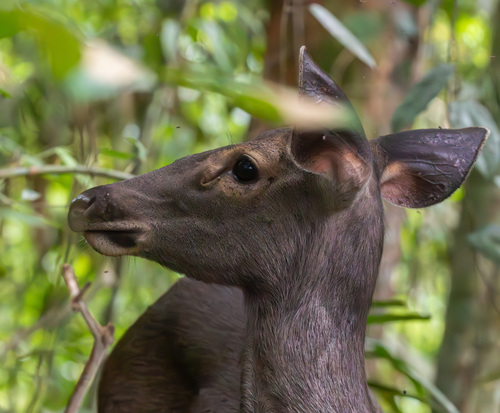
Over the next few days, we saw wild water buffalo everywhere, an overwhelming array of birdlife, hog deer, swamp deer, monkeys, wild elephants… One afternoon we made our way to the main branch of the Brahmaputra and spotted river dolphins and smooth coated otters.
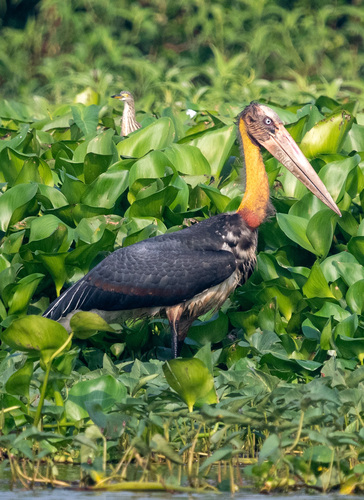
For birds we saw Spot Billed Pelican, Black-necked stork, Lesser Adjutant Stork and a few more Hog deer crossing the road What we saw in Kazirnga: Four (one-horned rhinos, Asian elephants, wild water buffalo and eastern swamp deer) of the big five.
In addition, we saw elephants, wild buffalo, deer and a variety of birds.
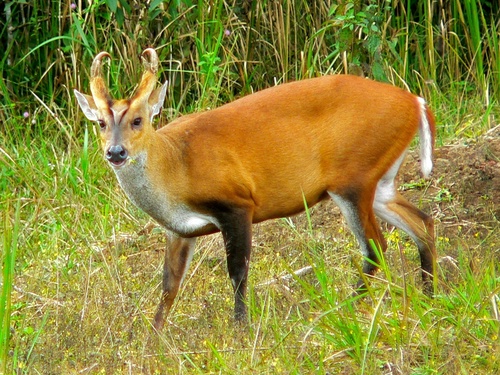
Barking deer, monitor lizards, water birds and a lone wild buffalo, we could see, as we moved over small creaky, wooden bridges across jungle streams, and now, we were nearing some open land, where there was less of grass.
Before you go
What animals can you see in Kaziranga National Park?
1,113 species
Kaziranga National Park has 1,113 recorded vertebrate species. The ones wildlife watchers report most often on a given day are Great Indian Rhinoceros (about 90%), Hog Deer (about 90%), Asian Elephant (about 80%), Wild Boar (about 80%) and Asian Openbill Stork (about 80%). Among reptiles, the most-seen is Bengal Monitor (about 70%).
When is the best time to visit Kaziranga National Park for wildlife?
October to April
In those months the park's 12 most-seen species average about 80% on a given day, against about 50% in September.
Can you see a Great Indian Rhinoceros in Kaziranga National Park?
Yes
About 90% of wildlife watchers report a Great Indian Rhinoceros sighting in Kaziranga National Park on a given day, based on 260 verified sightings from GBIF citizen-science data from 2019 to 2026. The best time is April–May and October–January (about 90%).
Can you see an Asian Elephant in Kaziranga National Park?
Yes
About 80% of wildlife watchers report an Asian Elephant sighting in Kaziranga National Park on a given day, based on 115 verified sightings from GBIF citizen-science data from 2019 to 2026. The best time is February and October (about 90%).
Can you see a Tiger in Kaziranga National Park?
Yes
About 50% of wildlife watchers report a Tiger sighting in Kaziranga National Park on a given day, based on 25 verified sightings from GBIF citizen-science data from 2019 to 2026. The best time is October (about 70%).
Can you see a Pearl-necked Dove in Kaziranga National Park?
Yes
About 70% of wildlife watchers report a Pearl-necked Dove sighting in Kaziranga National Park on a given day, based on 1,584 verified sightings from GBIF citizen-science data from 2019 to 2026. The best time is September and October (about 80%).
Where in Kaziranga National Park is wildlife easiest to see?
Around Eastern Range (Agaratoli)
The richest sighting zone is around Eastern Range (Agaratoli), followed by Western Range (Bagori), ranked by how many of the park's headline animals visitors can expect to see in each. See the zones on the map.
Is Kaziranga National Park good for wildlife watching?
4.8 out of 5
On the Wallace's Line Score, Kaziranga National Park rates 4.8/5: 15th of 316 parks worldwide and 4th in Asia. 85 of its species are reported by about 40% or more of wildlife watchers on a given day.


