


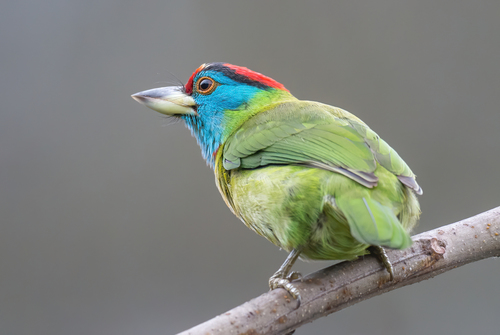




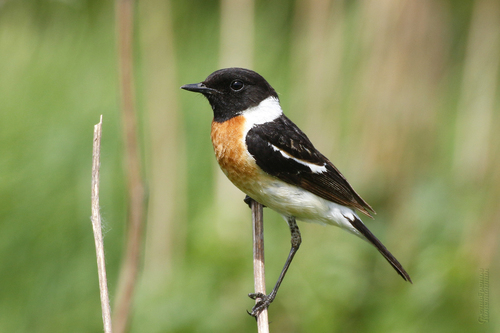

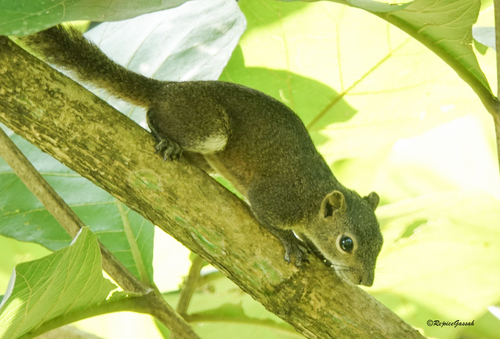


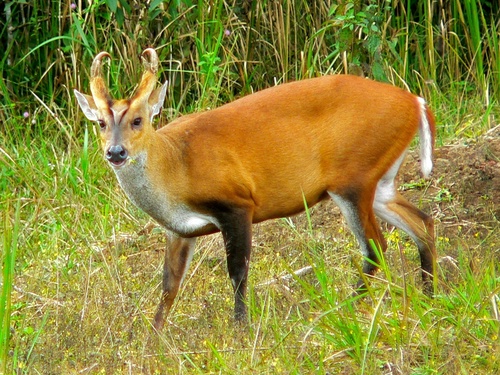








All 2 in 3 days here: ~50%
Manas National Park
🇮🇳 India
Indian Subcontinent, India 1189 spp. recorded
Nestled in the foothills of the eastern Himalayas, Manas National Park is a vibrant tropical rainforest where dense woodland meets tall alluvial grasslands. Trails wind through thick canopy and damp earth, crossing river floodplains that sustain a rich network of life. This sanctuary is globally renowned for populations of the Asian Elephant and the Great Indian Rhinoceros.
26.727° N 90.935° E
🦜 Nature

514 Species sighted
68,329 Verified sightings From 2019 to 2026
Feb Best month
⭐ Iconic Species
📊 Most Spotted
⭐ Iconic Species
📊 Most Spotted
📊 Most Spotted
📊 Most Spotted
📊 Most Spotted
⭐ Iconic Species
🌙 Most active after dark
+ 801 more species with insufficient data
Challenges you can complete here

All 3 in 3 days here: ~50%
Recent sightings in Manas National Park
LIVEiNaturalistSighting Calendar
How many species you'd see in a day
46Jan
59Feb
50Mar
56Apr
54May
51Jun
33Jul
29Aug
35Sep
32Oct
46Nov
46Dec
🏕️ Experience
Essentials
Climate
Temp °C Rain mm
JanFebMarAprMayJunJulAugSepOctNovDec
0.0 Excellent
Wallace's Line Score
How good is this park for seeing wildlife? 🦜
Biodiversity
ExcellentHow rich is the wildlife?
4.7
Species by taxon
🦅 Birds 889
🐒 Mammals 138
🦎 Reptiles 141
🐸 Amphibians 21
1189 Total Species
828 Global average across 316 parks
86 Threatened 90 Endemic
🔭
Sighting
Very goodHow likely to see animals?
3.9
🎯
Top-12 Avg Probability
55% 📊
Coverage (256 species at ≥5% of 1189 in the inventory)
22% 🔀
Taxon variety in top 12 (8 bird, 4 mammal)
59% 🔭
Species per 10 outings (distinct species a visitor would meet over 10 outings — effort held equal across parks)
198 🌟
Iconic-group species (≥15%) (every species from the 19 iconic groups — monkeys, cats, toucans, macaws, sloths, crocodilians… — not just the 4 highlighted above)
22 ⭐
High-prob species (>40%)
27 🏕️
Experience
ExcellentHow easy and pleasant is the visit?
4.7
Climate Mixed Medium
Entrance Paid Low
Tourism Low High
Trails Easy High
World Heritage Yes Bonus
What visitors say
Although the intriguing tiger eluded us, we saw the wild water buffaloes and the golden langur.
I remember looking at a photograph of the Golden Langur (one of the few colour photographs in the book) and wondering if I would ever be lucky enough to see one. > As the years went by, Manas would occasionally pop up in various books and articles that I would read.
In our three sessions at Manas NP, we only had one Monday evening safari at the Central Zone, the best in general for wildlife (the zone is closed on Tuesdays, which was a only full day we had in the park).
The forest of Manas is thick, and wildlife appears when you least expect it, so we drove slowly.
Before you go
What animals can you see in Manas National Park?
1,189 species
Manas National Park has 1,189 recorded vertebrate species. The ones wildlife watchers report most often on a given day are Asian Elephant (about 70%), Common Peafowl (about 60%), Pearl-necked Dove (about 60%), Jungle Myna (about 50%) and Capped Langur (about 50%). Among reptiles, the most-seen is Bengal Monitor (about 40%).
When is the best time to visit Manas National Park for wildlife?
March–May and December
In those months the park's 12 most-seen species average about 60% on a given day, against about 40% in July and August.
Can you see a Gee's Golden Langur in Manas National Park?
Yes
About 30% of wildlife watchers report a Gee's Golden Langur sighting in Manas National Park on a given day, based on 18 verified sightings from GBIF citizen-science data from 2019 to 2026. The best time is December (about 50%).
Can you see an Asian Elephant in Manas National Park?
Yes
About 70% of wildlife watchers report an Asian Elephant sighting in Manas National Park on a given day, based on 85 verified sightings from GBIF citizen-science data from 2019 to 2026. The best time is December (about 80%).
Can you see a Great Indian Rhinoceros in Manas National Park?
Yes
About 50% of wildlife watchers report a Great Indian Rhinoceros sighting in Manas National Park on a given day, based on 39 verified sightings from GBIF citizen-science data from 2019 to 2026. The best time is December (about 70%).
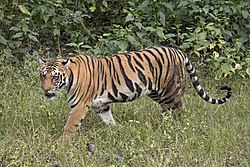
Can you see a Tiger in Manas National Park?
Yes
About 30% of wildlife watchers report a Tiger sighting in Manas National Park on a given day, based on 5 verified sightings from GBIF citizen-science data from 2019 to 2026. The best time is December (about 40%).
Is Manas National Park good for wildlife watching?
4.0 out of 5
On the Wallace's Line Score, Manas National Park rates 4.0/5: 103rd of 316 parks worldwide and 19th in Asia. 38 of its species are reported by about 40% or more of wildlife watchers on a given day.


